
I am adopting economist Paul Krugman’s phrase “crack spread”, that describes the gap between the cost of crude oil and the products it makes, for my own purposes. What is the gardener’s crack spread, which measures the gap between a gardener’s hopes and dreams for their inputs (seeds, plants, fertilizer, water and time) versus the reality of their outputs (produce volume, flowers and joy)?
My inputs this year included two infrastructure projects (replacing landscape fabric with a tottering tower of mulch and metal edging around my perennial beds), and with more and new plants to fill in gaps, I’ll need fewer next year. (Ha ha, just kidding. You can never have too many native plants). I used seeds for most of my vegetables, some saved from last year, but I like to support farmers’ markets too for their strong starter plants. I also bought organic fertilizer to supplement my three cold compost piles in various stages of decomposition. This fall we’ll be doing some important “limbing up” of the neighbor’s trees that snake across our trellises to prevent damage to our home during our more frequent intense weather events. I’m not adding this cost into my garden calculation since this is about protecting our home, not to get more light for my plants (that’s just a nice bonus).

Celebrate this year’s winners of the Betty Awards!
No need for me to share the raw numbers (embarrassing!), but this year’s expenditures were 39% for plants and seeds, 57% for supplies and 4% for education. I track my hours in the garden, but adding labor in would throw everything off—the price of tomatoes would skyrocket! I spent less this year than last; next year’s cash inputs should be smaller.
Against these inputs, where was my garden output, or my gardener’s crack spread©? I got many batches of vegetables to eat and share, a steady stream of bouquets to bedazzle our home, and, in my informal audit of the bug population, a more diverse group of creepies and crawlies have taken up residence. Feeling the sunlight on my skin is life-affirming and floods my system with delicious vitamins. (I too am solar powered.) I may not get a farmer’s volume of produce, but my joy levels are through the roof.
Gardening is an excellent investment in your life. I get a lot more out of my garden than spreadsheets can track. Take that, economists!

Because of my new three-layered planting style, I tried a few new plants (beets, cayenne peppers, a wider array of tomatoes) to fill in the beds. But no surprise, this summer’s winners by volume are the usual suspects: lettuce, green beans and basil, with my well-meaning tomatoes coming in last. The lettuces were nestled in shadier areas to slow their bolting (going to seed) which extended my harvest, and my pole and bush beans gave me a lot of green goodness but needed more space for easier harvesting. My tomato harvest? Meh, the 17 plants gave me one or two tomatoes at a time; it has taken weeks to save up for a salad. Artist pal Lois reminded me that tomatoes are heavy feeders. With all the other things going on this summer, I may have neglected my fertilizing tasks. So, I don’t blame the tomatoes, I was the weak link.
I had mixed results from the new plant experiments. The farmer’s market carrot seedlings came out crabbed and twisted; I’ll stick with seeds henceforth. Did I throw the beets too much shade (both literal and metaphoric?) so that their ghostly little bodies are barely enough to shave into a salad? I find peas charming, but I need more plants to make just one bowl of soup. Adiós to you both. My stalwart regulars did well: the arugula flourished with more room, but my flouncy fennel only got two—two!—swallowtail caterpillars. I will keep fennel in rotation for Lepidoptera food, not for stew. I had many fewer flowers in my raised beds to create that layered look, and the butterflies voted with their wings; I saw fewer monarchs and red admirals. I will go back to my flowerpalooza with an army of sunflowers and zinnias next year to create big fat targets to entice those flying beauties back.
In my unstoppable march to have food from the garden as long as possible, you may be wondering: how is my fall planting going? My outdoor sows (arugula, spinach and carrots) eventually struggled above ground but in small numbers. Perhaps my seeds have aged out. The indoor-planted lettuces were a total bust, but the spinach and arugula were champs. I await the salads to come.
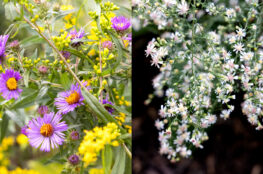
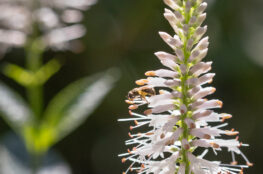
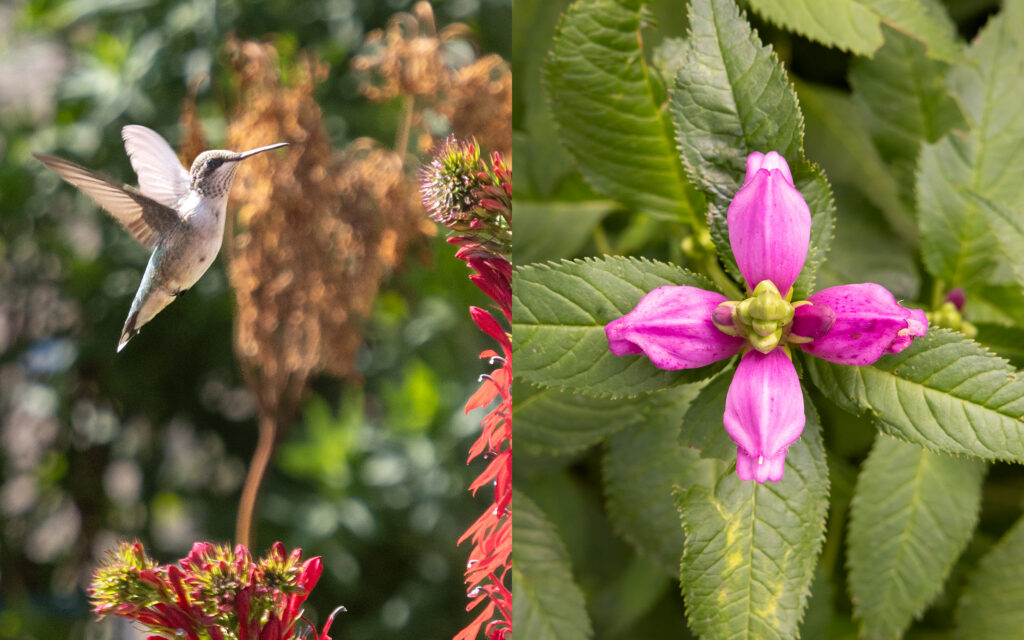
In other garden news: thanks to my brother Tom’s birthday gift from Prairie Moon Nursery, I will coax yet more native plants into my yard. Come here my pretties! I’m letting my existing natives go to seed to spread their glorious goodness. My queen of the prairie, bee balm, rock harlequin, coneflowers and the tall cinquefoil look bedraggled now, but having them spread their joy unaided by elaborate cold stratification rituals would be nice. Thanks to super gardener pal Margaret, I now have three more purple turtleheads, and with the goldenrods and asters coming on-line, my fall garden is buzzing with color and bees.

For more concrete information on the impact of my garden inputs (not looking for excuses exactly but perhaps data will help improve my harvest), I bought myself an 8-in-1 Soil Tester. I am specifically interested in soil fertility, pH and the moisture levels in my raised beds. I calibrated my tool with the sachets of powder at 4, 7 and 10 pH levels, and with three readings after big storms, the thermometer confirmed a few things.
My yard’s irregular light fall pattern, flash dries some beds and keeps others soggy. There’s little I can do other than a more razer-sharp planting strategy for shade-tolerant or shade-shy plants. I do need to be more diligent about my soil amendment activities; the tomatoes told me so too. This granular analysis deepens my understanding of my plants, but following their cues with my eyes and hands is the best path for a more successful garden.
What a whirlwind summer it’s been. I had plants up and limbs down, smoky skies cleared out by torrential rain and a symphony of cracking electric cymbals that kept me inside. Work and travel prevented me from malingering in the garden more, I’ll make up for it with long fall days contemplating how to make my positive gardener’s crack spread© last into the winter months.
A Few Gardening Resources
EVENTS
Make Hay While the Sun Shines, Wormfarm Institute, Sauk County
Sept. 12, (rain date Sept. 26), exact location will be shared with ticket buyers
Wormfarm Institute “cultivates connections between our rural and urban neighbors through art, food, and the land.” They invest in Wisconsin’s culture shed: A region irrigated by streams of creators and producers, fed by deep pools of human and natural history and nourished by what is cultivated locally. They “…support the efforts of artists, farmers, chefs, scholars, writers, performers and community organizers who contribute to a vital, diverse local culture”. This marks the first public performance of choreographed farm machinery to take place during the actual process of making hay, framing everyday farming practices within a classical dance aesthetic, asserting the culture in agriculture while celebrating the harvest.
Wauwatosa Green Summit
Saturday, Sept. 19 | Wauwatosa City Hall Lower Civic Center | 10:00 A.M.- 1:00 P.M.
The exhibitions in the lower level of City Hall promote awareness of the public and volunteer sustainability initiatives in Tosa that range from energy, water, transit, land, food, and climate.
Groups include Tosa Wildlife Habitat, my volunteer group that is working towards certifying Wauwatosa as a wildlife habitat city through the National Wildlife Federation. Do you have 70+% native plants, eschew chemicals, have a bird bath and brush pile for the creatures around you? You and your garden are certifiable!
International Day of Awareness of Food Loss and Waste
Sept. 29
Join the United Nation’s attempt to combat food insecurity and encourage sustainable consumption and production of food globally. The group states that 60% of global food wastde happens in households—which means we don’t have to wait for a top-down solution, we can all do our best to reduce or eliminate food waste. Gardeners: get your compost piles ready to help combat global food waste!
Want more information on food waste? Join the World Wildlife Fund’s Food Waste Warrior effort. “Food Should Never Be Trash.”
September is National Honey Month. Did you know it takes 23,000 bees to produce one jar of honey? Get planting those native flowers to support your honey-on-toast habit, and to keep bees safe and humming throughout the winter.
FOR KIDS/SCHOOLS
- World Wildlife Fund’s Green Club Guide from the Wild Classroom connects kids to their future.
- Check out the American Society of Landscape Architecture’s guide Schoolyards in Bloom: Exploring Pollinators Through Landscape Architecture
- Squirrels. They work hard; they play hard. Check out Mark Robert’s backyard squirrel obstacle course to appreciate these marauding minxes.
BUYING PLANTS
- Get ready for a fall native plant sale from Prairie Future Seed Company
Sept. 13, from 9:00 A.M.-1:00 P.M., online pre-ordering available Wednesday Sept. 2-9
Urban Ecology Center, tentative Washington Park Branch,
- Prairie Nursery: Native plants and seeds for more fall planting
- Want to try fall planting or pre-load your seed bank for the spring? Try Johnny’s Selected Seeds.
- October is garlic-planting time, check out the varieties at Keene Garlic.
SUSTAINABLE GARDEN INFORMATION
- Want more technical advice from an expert on fall planting? Check out Joe Gardener’s free, downloadable Fall Vegetable Gardening pdf to keep your garden producing.
- Fresh Coast Guardians are dedicated to loving and protecting Lake Michigan, and they have all kinds of programs so you can too. What about a rain garden or rain barrel to prevent leakage into the lake?
- Learn about biophilic, or green-focused design, linking nature to our built environment through Living Future.
- Be part of the national movement to create sustainable, natural environments to protect your family and the wildlife around you by following the National Wildlife Federation’s simple guidelines to become a wildlife habitat yard. The City of Wauwatosa is working towards certification. The City of Elm Grove is already there; Brookfield, Greenfield, Menomonee Falls, New Berlin, Oconomowoc and Pewaukee are working on certifying as well. What can your yard add to this crucial activity?
- Wild Ones Milwaukee has a free, seven-page garden plan for the Milwaukee region, designed by Danielle Bell of Native Roots. The plant list is pure gold!
- For inspiration on rewilding your yard, check out Homegrown National Park, co-founded by Doug Tallamy, who says, “If half of American lawns were replaced with native plants, we would create the equivalent of a 20-million-acre national park, nine times bigger than Yellowstone.” Let’s create our Wisconsin Yellowstone together!
- University of Wisconsin Horticulture, Division of Extension has free online garden programs
- Mother Earth News on-line videos and tutorials for your own organic garden growth.