
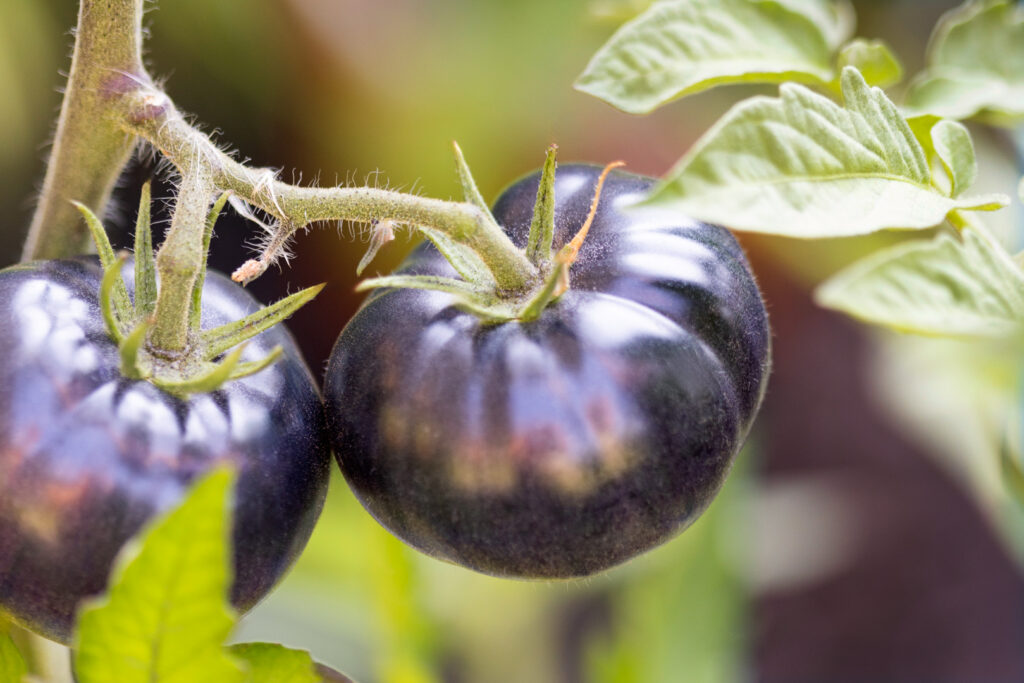
I am back to my old tomato-loving ways this year, with 17 plants, one shy of my personal “best.” Tomatoes are from Peru, but they have conquered the world. Names tell the story: think of romas (which are my favorite since they are less watery in salads), or san marzanos, which both show this nightshade’s travel. Would Italy have the same glorious cuisine without this Latin American treasure? This year I planted more of the tomatoes 10,000 hybrids including green zebras, early girls (who are running a bit late), cherry (the squirrels’ favorite) and a rainbow of yellow, purple, and black gold plants. I clip any branches touching the soil to prevent fungus spread and thin out branches for good air flow, to force a focus on fruit. Location is the biggest indicator of success for these producing powerhouses, but I’ve hamstrung my crop by over-planting. I’ll keep hunting the creature killing one of my plants—has a tomato hornworm landed? No matter, I may be chasing strangers down the street again to get rid of my tomato surplus—you’ve been warned!
My favorite quick-fire use of tomatoes is tomato cheese toast. Cut up two tomatoes and salt them. Combine ½ cup. mayo with ½ cup. grated cheddar (don’t use a too-small grate, it makes the cheese bunch up) with a splash of salt. Toast some nice sourdough, add olive oil and a soupçon of salt. Cover the toast edge-to-edge with the cheese mixture, then cover that edge-to-edge with tomatoes, then eat, thanking your garden for a lovely, simple meal.
While you are enjoying your garden’s bounty, including, I hope, parasite-free lettuce, don’t forget that August is your last chance for garden romance. That’s right, it’s time to plant for a third season. I’m not giving up my green lifestyle easily, so I started planting fall crops, mainly lettuces and arugula indoors in July. While some seeds can be directly sowed, like peas, watch for fall’s first frost-by date, which for the Milwaukee region is October 16. For a crop that takes 90 days to mature, we need to plant by mid-August so that the plant is matured by mid-November, when they get less than 10 hours of sunlight and stop growing. I soaked spinach seeds for 24 hours and dried them off, cutting down their gestation period so once they were dropped into the soil, they had a head start. We’ll see if this works!

Check It Out!
It was one year ago, on August 9-10, 2025, that our region suffered a once in a 1,000-year deluge, causing more than $240 million in damage with a tragic loss of life. 98% of water runoff goes into rivers and our world renowned (and coveted) freshwater lake, but takes dirt, chemicals and debris with it. It’s only 2% that ends up in homes, businesses and streets, causing damage and distress. What are our next steps to protect ourselves from the next deluge? The Metropolitan Milwaukee Sewerage District is accelerating its next $96 million of flood mitigation work and their nationally recognized, innovative Greenseams program protects wetlands, plants trees, and slows water down so it seeps into our aquafers, not our basements.
Given that our urban environment was built to serve human needs, with the goal of protecting nature a statistical error, what can we collectively do to reduce the impacts of climate change? Designers, city planners and landscape architects are thinking about making our cities sponges. Green spaces store water underground, preventing flooding and city subsidence while improving air quality and providing green spaces for all. We gardeners can add a rain garden, which keeps rainwater on site by using native plants with deep roots to soak water into the soil. Good soil and mulch slow water so it can seep beneath us. Did you think my advocacy of native plants is just for their beauty and support of native wildlife? It’s also about casting my yards lot in with the thinkers and doers, making our landscape sustainable and safe.
Water is always on a gardener’s mind, whether too much or too little. We know that reasonable amounts of rain from the sky is good, but watering overhead is bad. Sprinklers spread spores and pathogens, while rain is free and pH neutral (but who knows what pollutants accompany the water)? Don’t waste this free resource—keep it on site by adding a rain barrel alongside your rain garden. The best way to give your plants a deep drink is to “water, stop, water”, which means soak, move along, circle back around and water again. My rain wand broke so I bought a Wisconsin-made Dramm product. See, there are many ways in which being a water warrior is good for our community!
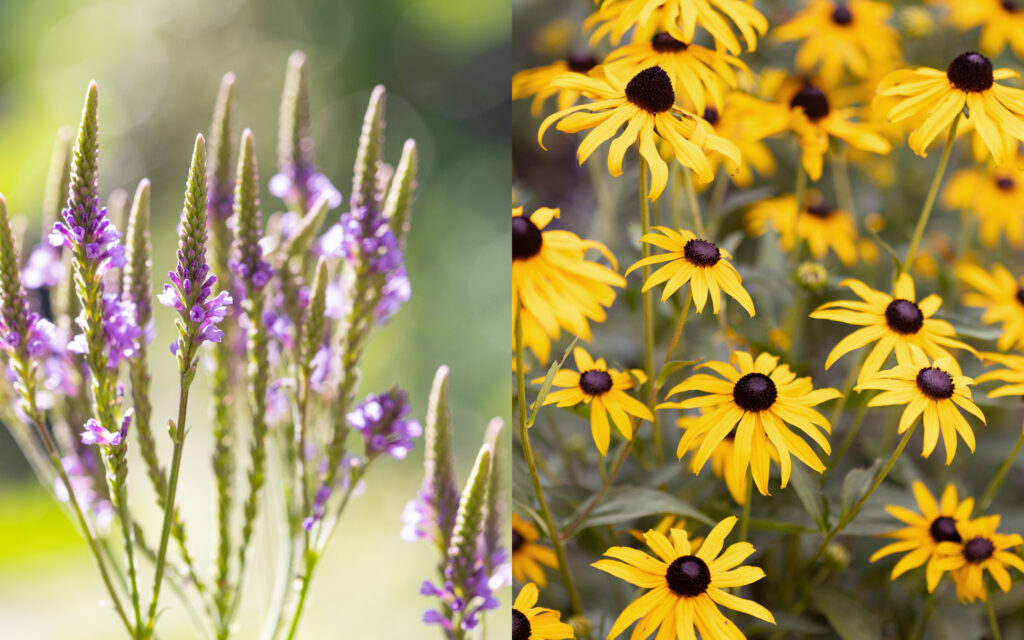
I wonder: what is the difference between a gardener and a farmer? Based on 2022 data from UW-Madison, the average Wisconsin farmer makes around $10,000 from their farming; the rest is made from off farm jobs. Farmers don’t waste time, petting and primping each little shoot the way gardeners do. Farmers are often forced to use chemicals to protect their huge crops; I use row covers, copper mesh and Neem oil to protect mine. Farmers are subject to global price fluctuations for goods and services as well as the weather. One website said farmers must make over $1,000 a year; I might make that if I sold every single head of garlic, all my fresh lettuce (no contamination guaranteed!) and every flower from my yard for the whole summer, but that’s not a living. We must support our local farmers by visiting our area farmer’s markets, buying their non-modified plants for your garden, and demanding more clean produce through your grocery store.
What is my garden output? I am getting two or three good batches of lettuce per week, including butterleaf, red leaf, arugula and others, with at least one batch going to friends or neighbors. I have harvested 40 heads of garlic, but my profit is nil because I set some aside for fall planting and we eat the rest. I just made my fourth batch of pesto using my own basil. We consume one half of my pesto output; the other half is gifted to pals and family in quilted glass Ball jars (which are rarely returned because they are so cute). If I calculate a projected income against my expenses, as a farmer I am a losing proposition. As a gardener, however, I am doing my job by supporting the earth and sharing my bounty with others. I know you do the same thing.
A Few Gardening Resources
BUYING PLANTS
- Native plants sale, Prairie Future Seed Company, August 9, 9:00 am – 1:00 pm, Schlitz Audubon Nature Center, 1111 E. Brown Deer Road, Bayside
GET OUTSIDE!
- Milwaukee County Parks have it all, from baseball to beer
- Hank Aaron Trail celebrates the landscape and a baseball hero
- Water Current Walking Tour follows Milwaukee’s history along our blue highways
- Milwaukee’s Riverwalk is filled with art where water and city meet
SUSTAINABLE GARDEN INFORMATION
- Want more technical advice from an expert on fall planting? Check out Joe Gardener’s free, downloadable Fall Vegetable Gardening pdf to keep your garden flourishing.
- Fresh Coast Guardians are dedicated to loving and protecting Lake Michigan, and they have all kinds of programs so you can too. What about a rain garden or rain barrel to prevent leakage into the lake?
- Sign up for MMSD’s Water Drop alerts that help us reduce our water use during extreme water events.
- Learn about biophilic, or green-focused design, linking nature to our built environment through Living Future.
- Want to make tea from your garden? Try these variations.
- Check out the Wisconsin Butterfly Association’s website for information on the divas dancing in your yard. Want to support the butterflies in your yard? Join the Southern Wisconsin Butterfly Association and get information on butterfly tracking, special trips to unique areas for spotting these garden muses.
- After watching The Extraordinary Caterpillar documentary from The Caterpillar Lab, it’s clear fashion designers should use caterpillars as their muse. Check out these bodacious bedecked creatures; you’ll wish you had their style!
- Be part of the national movement to create sustainable, natural environments to protect your family and the wildlife around you by following the National Wildlife Federation’s simple guidelines to become a wildlife habitat yard. The City of Tosa is working towards certification. The City of Elm Grove is already there; Brookfield, Greenfield, Menomonee Falls, New Berlin, Oconomowoc and Pewaukee are working on certifying as well. What can your yard add to this crucial activity?
- Wild Ones Milwaukee has a free, seven-page garden plan for the Milwaukee region, designed by Danielle Bell of Native Roots. The plant list is pure gold!
- For inspiration on re-wilding your yard, check out Homegrown National Park, co-founded by Doug Tallamy, who says “If half of American lawns were replaced with native plants, we would create the equivalent of a 20-million-acre national park, nine times bigger than Yellowstone.” Let’s contribute to our own Yellowstone!