
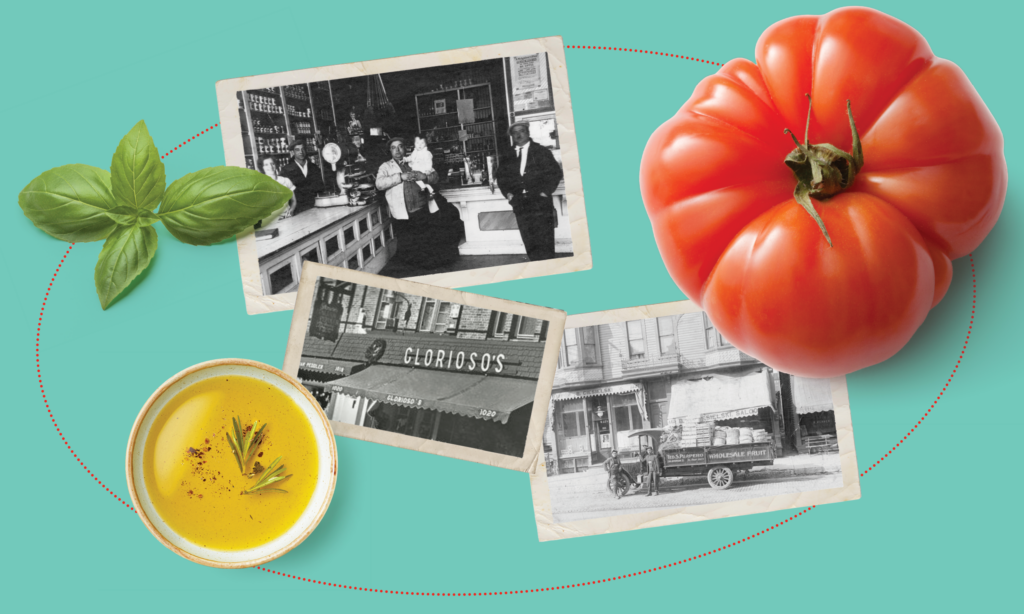
Over more than a century, immigrants from Italy and Sicily built a tight-knit community around Brady Street, and food has always been front and center.
In the not-so-distant past, Brady Street and its surroundings were the center of life for Milwaukee’s Italian American community. The fish markets, delis, butcheries, and many restaurants and bars were as important to the immigrants’ culture and identity as the Catholic churches they built.
READ MORE FROM OUR “THAT’S ITALIAN” FEATURE HERE.
Between the late 19th and early 20th century, millions of Italians left their turbulent homeland in pursuit of a better life in America. A small fraction of them landed in this hub of manufacturing, Milwaukee, many from impoverished Southern Italy and Sicily. The Third Ward – which had previously been settled by Irish immigrants – provided affordable housing, allowing them to build a “Little Italy” of commerce and culture.

Check out the City Guide!
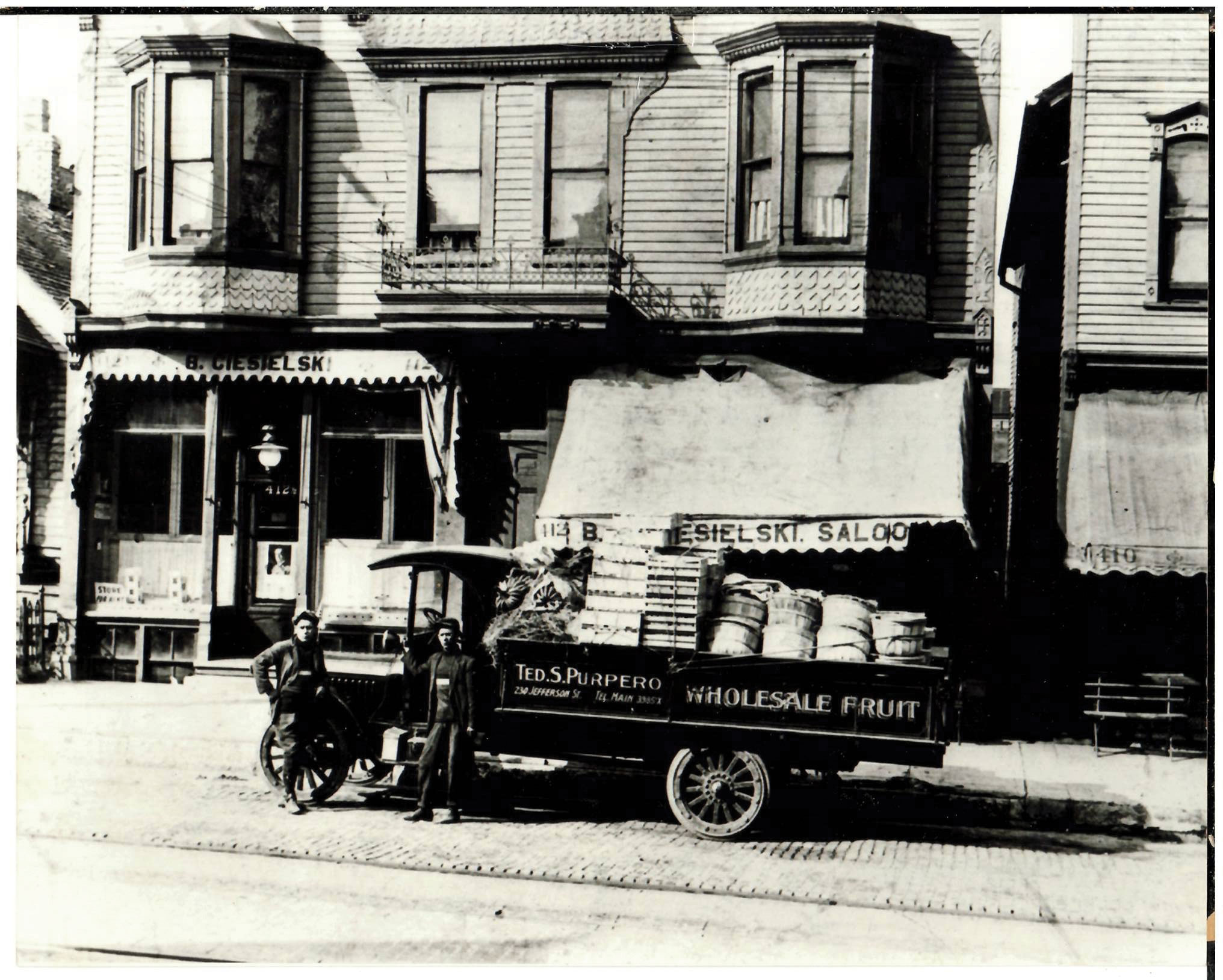
Businesses like Rinato Cialdini’s Grocers and Tony Busalacchi Macaroni Manufacturing Co. set up shop, and the 300 block of North Broadway was given the name Commission Row for the produce wholesalers, most of them run by Italians, that sold their goods to local grocers and restaurants. Catalano Square – a triangular green space close to what is now MIAD – was named for Mariano Catalano, an immigrant who by 1910 had established one of the largest produce companies in the area.
Cheap housing lured Italian immigrants to the Third Ward, but the crowded, substandard nature of it eventually drove them out. By around 1918, waves of Southern Italian and Sicilian immigrants had moved to the First Ward – the area in and around Brady Street – for better jobs and living conditions. They built a rich, longstanding Italian American community around family, food, work (imbued with a robust entrepreneurial spirit) and church, with St. Rita’s Catholic Church at its center. The Italian flavor of the street melded with its Polish immigrant foundation.
Sal Safina, whose family for 30 years operated Giovanni’s Sicilian restaurant on the corner of Van Buren and Brady, grew up within a few blocks of the restaurant his dad opened in 1976. The neighborhood had a strong Sicilian community. “It was close-knit,” Safina says, “because pretty much everybody in the neighborhood knew each other. We’re mostly from the same town [in Sicily] or close by – Porticello, Aspra, Santa Flavia, all those little villages – all within a few blocks.”
Before opening his restaurant, known for fried eggplant and veal chops, Giovanni Safina worked at his brother Nicolo’s also eponymously named restaurant on Brady. Its neighbors are mostly gone – Cataldo’s, Tarantino’s Beyond the Sea, Colla’s Fish Market, Libby’s Lounge (next door to Angelo’s Piano Lounge and home of a popular spaghetti lunch). Over on Jackson Street, you had Dentice Bros. butcher shop, known all over town for its Italian sausage, and D’Amato’s Grocery Store. In the late 1980s, Sandy D’Amato converted the store his Sicilian American father and grandfather ran for 80 years into Sanford Restaurant and became the first Milwaukeean to win a James Beard Award.
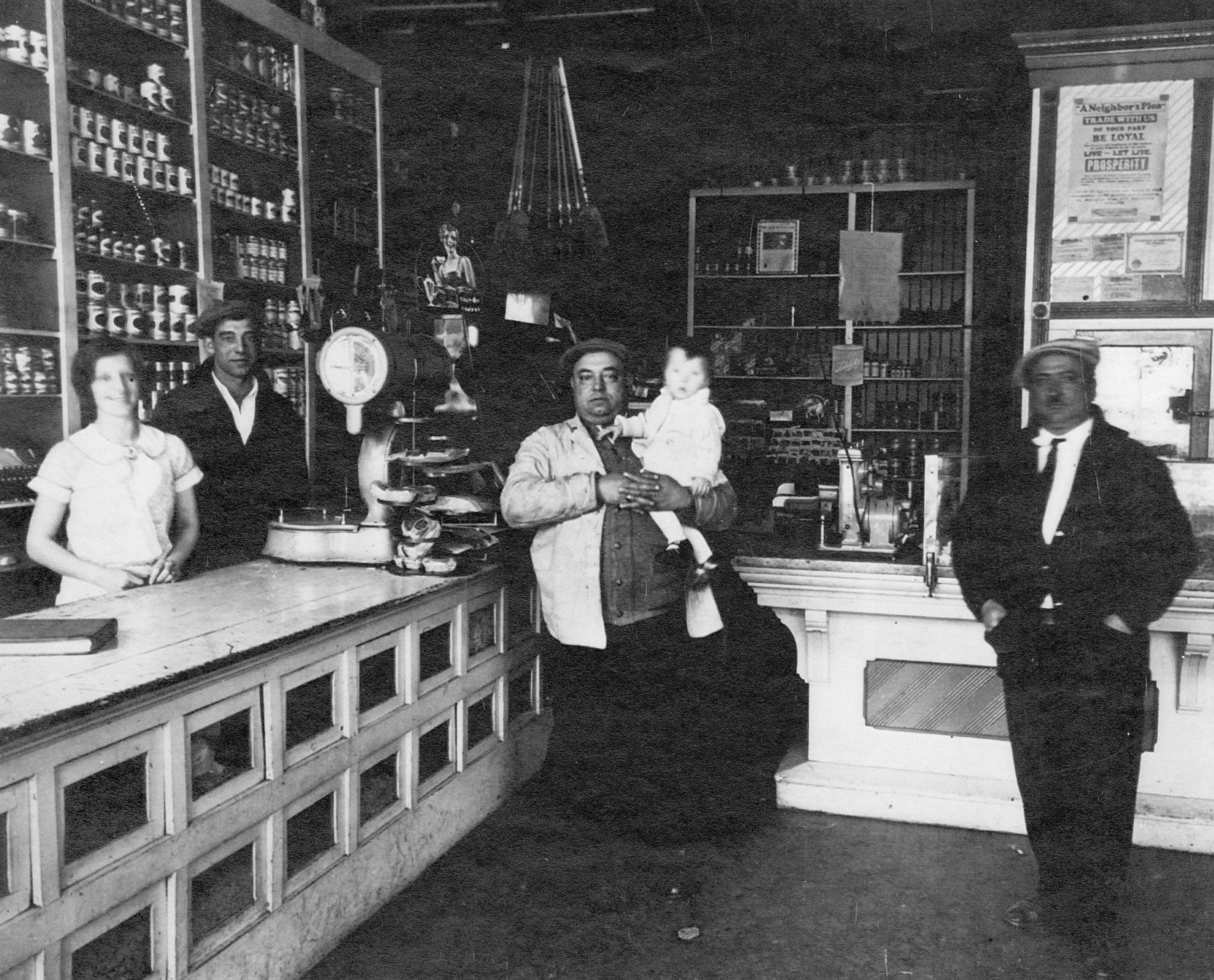
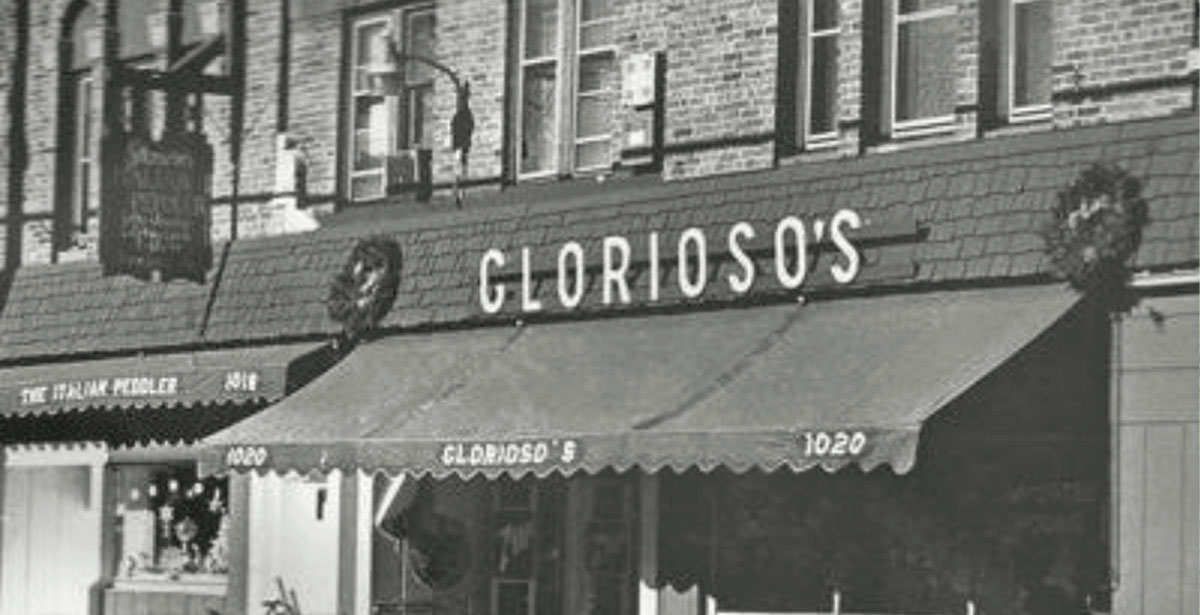
Today, what remains of the Brady Street area’s Italian legacy are Sciortino’s bakery, Regano’s Roman Coin bar, Glorioso’s market (it reopened in its modern new space in 2010), Zaffiro’s Pizza and Jo-Cat’s Pub. The owners of Jo-Cat’s (the Cataldo family, who have long ties with the street) opened the Italian joint Dorsia next door, but for some foodies, that spot will forever be the departed Mimma’s Cafe, one of the catalysts for Brady’s 1990s reinvention as an upscale foodie haven.
Milwaukee’s Italian food scene has gradually lost much of its old-school-ness. The tight-knit enclaves are gone, and culinary authenticity is harder to find. But the spirit is still alive in the local Italiani – people like Sal Safina and his brothers, melding old and new at their “modern Sicilian” Safina restaurant on Jefferson Street; Gino Fazzari running both his family’s 43-year-old Calderone Club Downtown and the adjacent Neapolitan pizzeria he opened in 2017; and the Tosa-reared Bartolotta brothers, whose first restaurant honors their Italian roots.
And the spirit resonates in the new guard and their veneration for Italian cooking, whether they interpret it traditionally or not. When he’s asked why Italian – when it’s not in his blood – Ca’Lucchenzo co-owner Zak Baker says it started with the red-sauce Italian food he ate as a kid, which convinced him it was the “greatest cuisine in the world.” So, when his culinary horizons expanded to gnocchi risotto, prosciutto di Parma and real Parmigiano Reggiano, “my mind was blown,” he says. Baker echoes what diners feel when they eat risotto or spaghetti with meat sauce or chicken marsala: utterly bewitched.