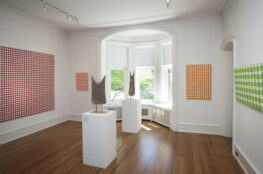


Winter means watercolor for the Racine Art Museum. Each year, its galleries transform into a kaleidoscope of color and light for “Watercolor Wisconsin,” on view this year through April 18.
The juried exhibition, now in its 59th year, is also a parade of regional artistry. It’s open to both amateur and professional artists across the state and aims to celebrate all forms of aqueous media – think traditional watercolor paintings, but also works made using acrylic and ink.

Check out the MilMag Mini!
For De Pere artist Heather Trost, the exhibition was a turning point in her transition from elementary art teacher to professional artist.
“Last year was the first year that I had a piece in the show,” she says, adding that her debut painting earned second prize. “It really gave me a sense of validation.”
Trost describes her style as “a new take on Impressionism,” achieved through layering transparent washes of color. “Since watercolors are transparent, you can see through to all those other layers,” she explained. “When the painting is done, I remove the masking fluid, and that way you can see all the different colors that have ever been there.”
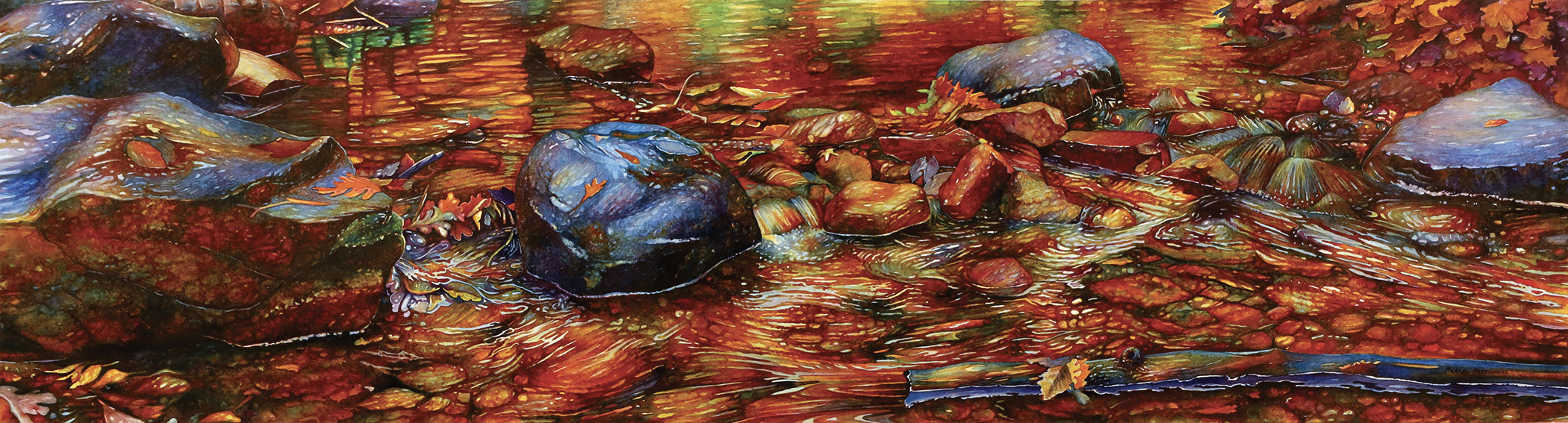
Door County–based artist Michael Nitsch has entered the exhibition on and off since the 1990s. He says he’s always happy to hear that one of his pieces has been chosen, and even happier to get a chance to chat with other artists at the opening. “It often leads to good conversations that continue beyond the museum,” he says, adding that he appreciates seeing a mix of new and familiar faces each year.
Nitsch’s long relationship with “Watercolor Wisconsin” is partly shaped by the fact that he spent decades in museum work himself – first at RAM, then later at the Miller Art Museum in Sturgeon Bay.
He says the exhibition provides him a temperature check on the medium: who’s pushing new materials, who’s testing different surfaces, who’s thinking about color in unexpected ways. “You look at your own piece, and then you look around,” he says, explaining that in that moment, he becomes part of something larger than his own studio practice.
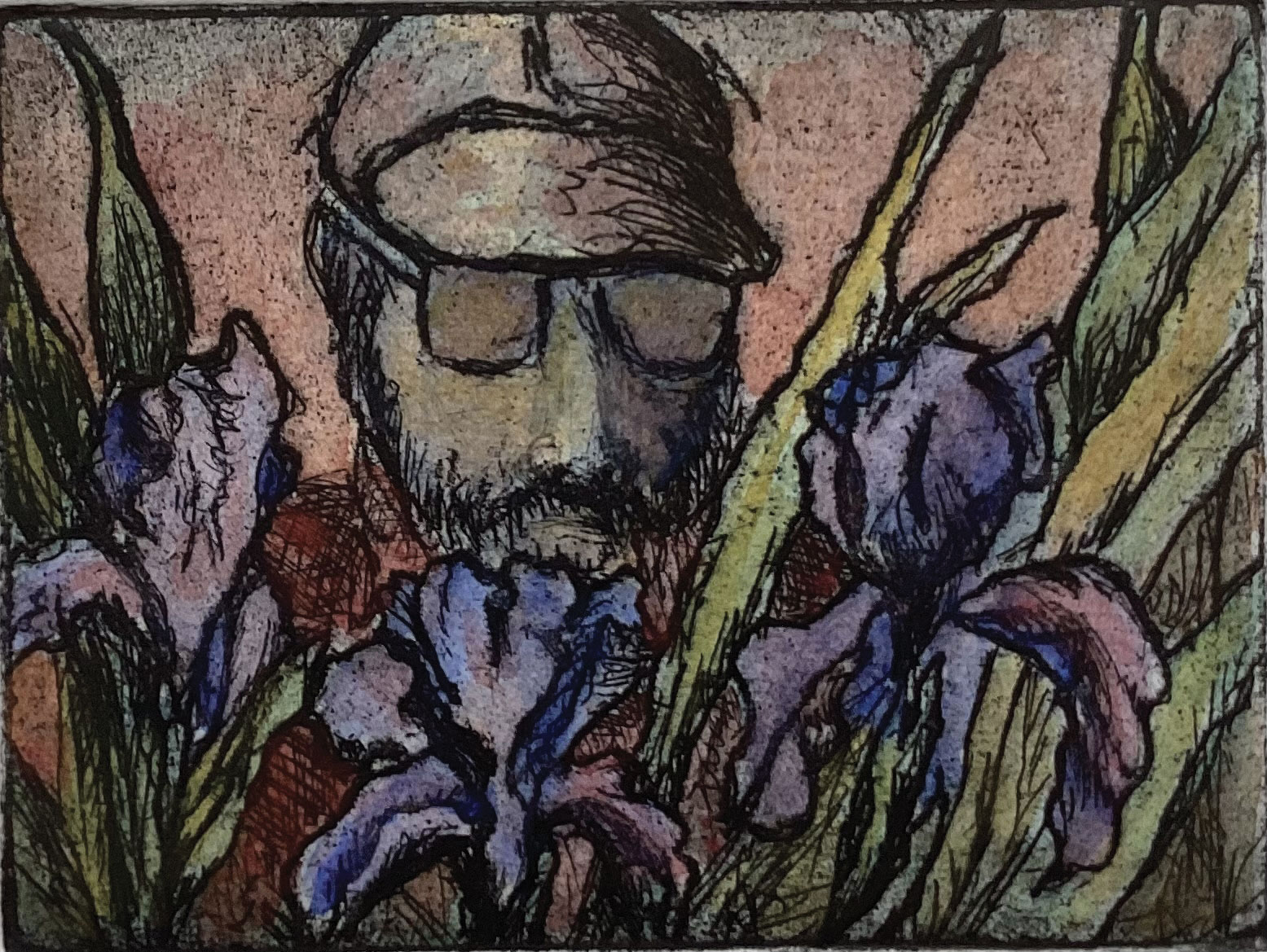
For both Trost and Nitsch, “Watercolor Wisconsin” remains a reminder of how endlessly flexible and surprising water-based media can be. It also reinforces the sense of community that keeps watercolor artists – new and seasoned – trying out ideas side by side.
To find more info about “Watercolor Wisconsin,” visit ramart.org.