
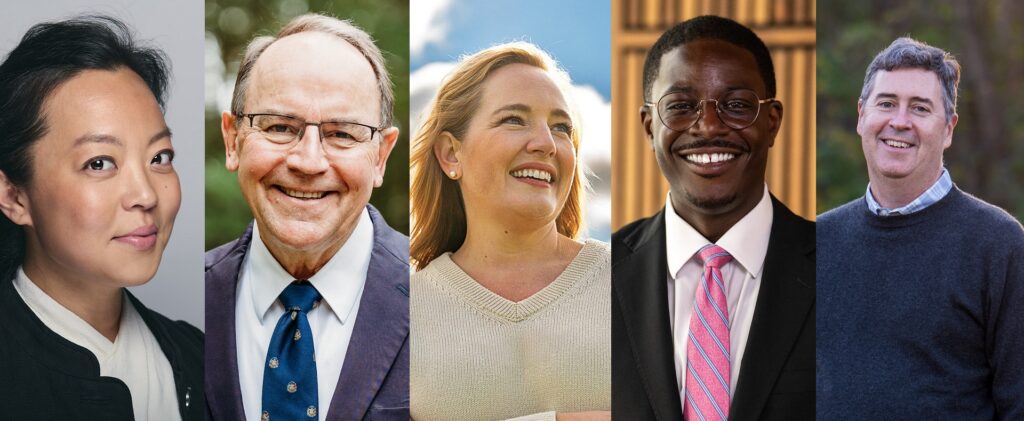
A diverse and rapidly changing field of four Democrats are running for governor, while just two Republicans remain in the race to succeed retiring Democratic Gov. Tony Evers.
Here’s who will be on the ballot in the Aug. 11 primaries, as approved by the state Elections Commission on June 9, although four candidates later suspended their campaigns, including one who soon returned to the race. Absentee voting started in late June, and despite the head-spinning upheaval on the Democratic side, the bipartisan commission ruled July 9 that voters who cast an absentee ballot can no longer change it on Election Day.
The major parties’ nominees will face each other in the Nov. 3 general election.

Celebrate this year’s winners of the Betty Awards!
Democrats
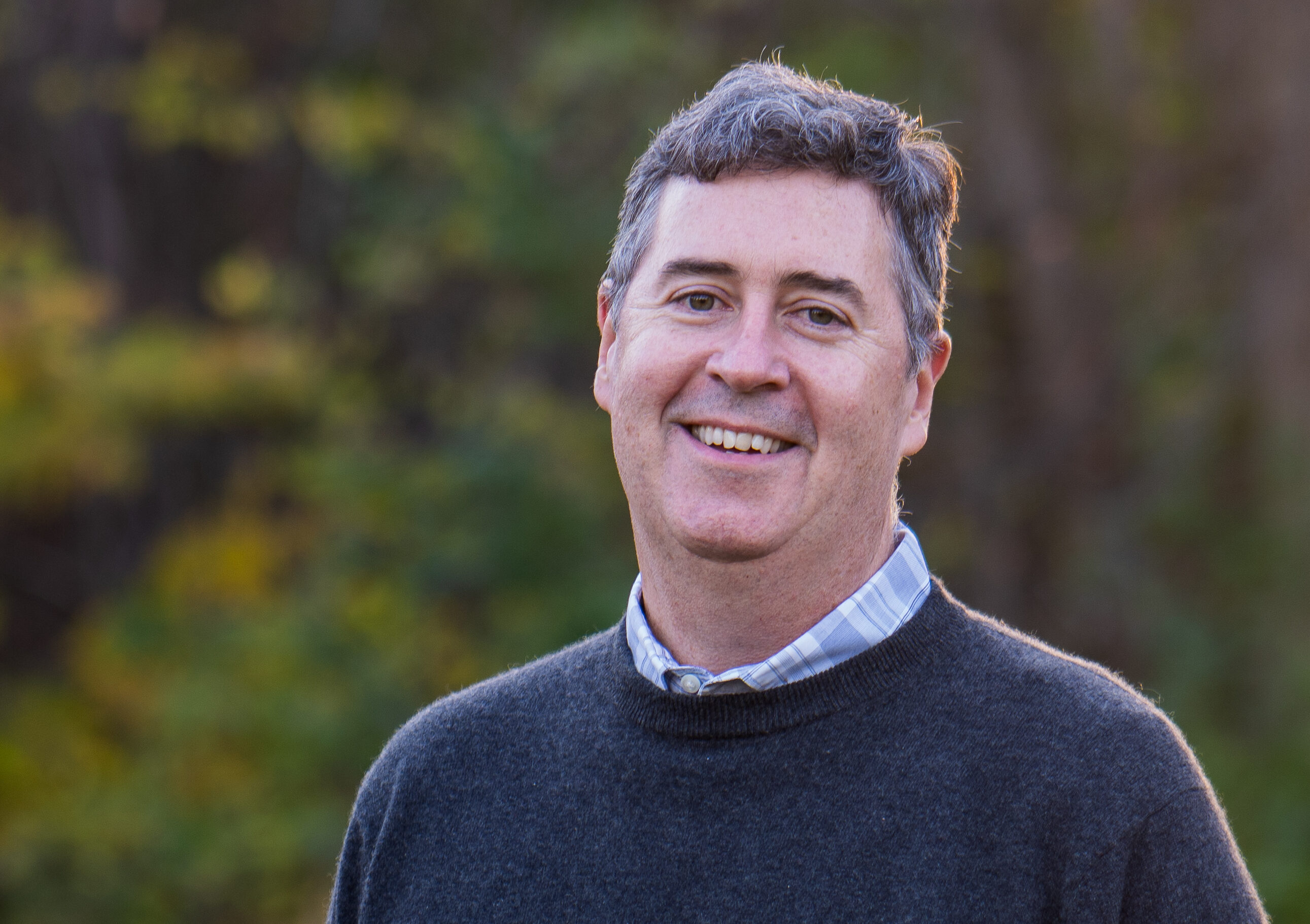
Joel Brennan is perhaps best known as Discovery World president from 2007 to 2019. He previously led the Milwaukee Redevelopment Authority and later served three years as secretary of administration in Evers’ cabinet before becoming president of of the Greater Milwaukee Committee, an alliance of private-sector leaders active on a wide range of local economic and quality-of-life issues. He stepped down last year to enter the gubernatorial race. Brennan has pledged to expand health care, particularly for children; said he would mobilize the National Guard if needed to block Republican President Donald Trump from interfering in elections; and called for state investigations of federal immigration enforcement. He drew criticism for suggesting Wisconsin isn’t ready for a female or non-white governor, a comment he later walked back.
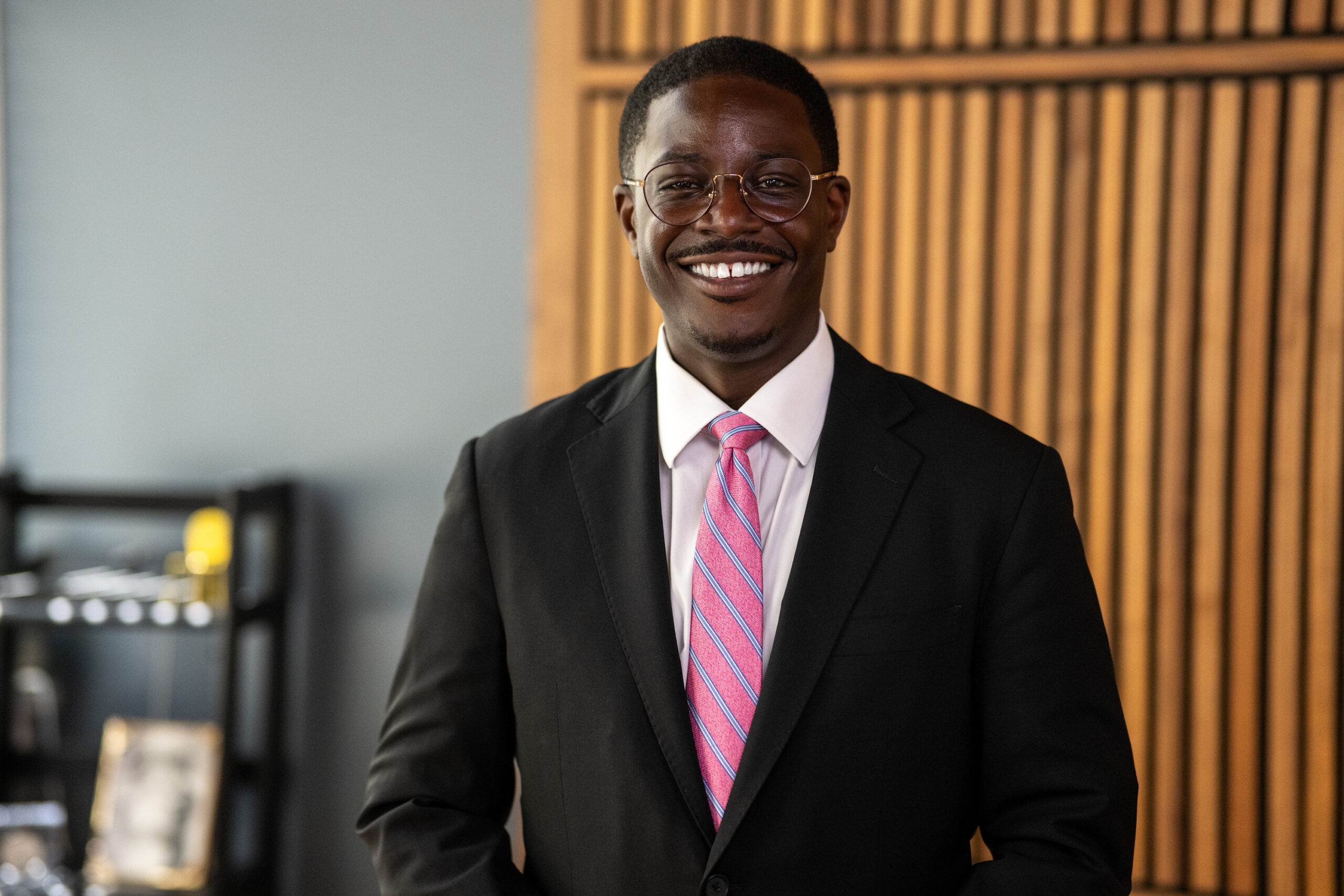
David Crowley won two Assembly elections before becoming the first Black Milwaukee County executive in 2020, edging Democratic Sen. Chris Larson by half a percentage point in the closest-ever race for that office. Four years later, Crowley won a second term by the widest margin ever, swamping his token opposition more than 5-to-1. In his current office, he has focused on eliminating racial and health care disparities, and he joined Milwaukee Mayor Cavalier Johnson in negotiating a historic bipartisan deal to boost state funding and sales taxes. His platform stresses job creation, stimulating small businesses and expanding health care, vocational training and affordable housing. Crowley suspended his campaign July 8, endorsed Lt. Gov. Sara Rodriguez, then revived his candidacy July 18 – with Evers’ endorsement – after Rodriguez dropped out.
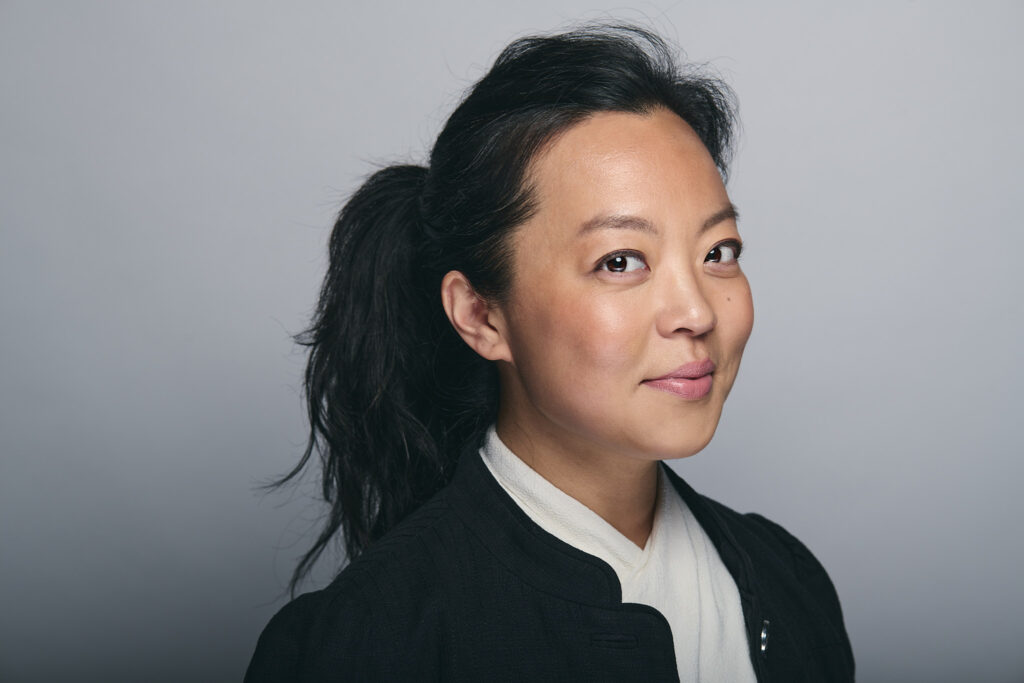
Francesca Hong is in her third term in a Madison Assembly seat, to which she was first elected in 2020, becoming Wisconsin’s first Asian American legislator, one of the chamber’s four Democratic Socialists and one of the few politicians to regularly use profanity in public statements. She is also a chef and former restaurant owner. Her platform calls for a $20 minimum wage, guaranteed paid leave, universal child care, free school lunches for all students, phasing out school vouchers and legalizing marijuana. She has come under fire for her views on defunding police and abolishing prisons, both of which she calls long-term ideals after addressing root causes of crime.
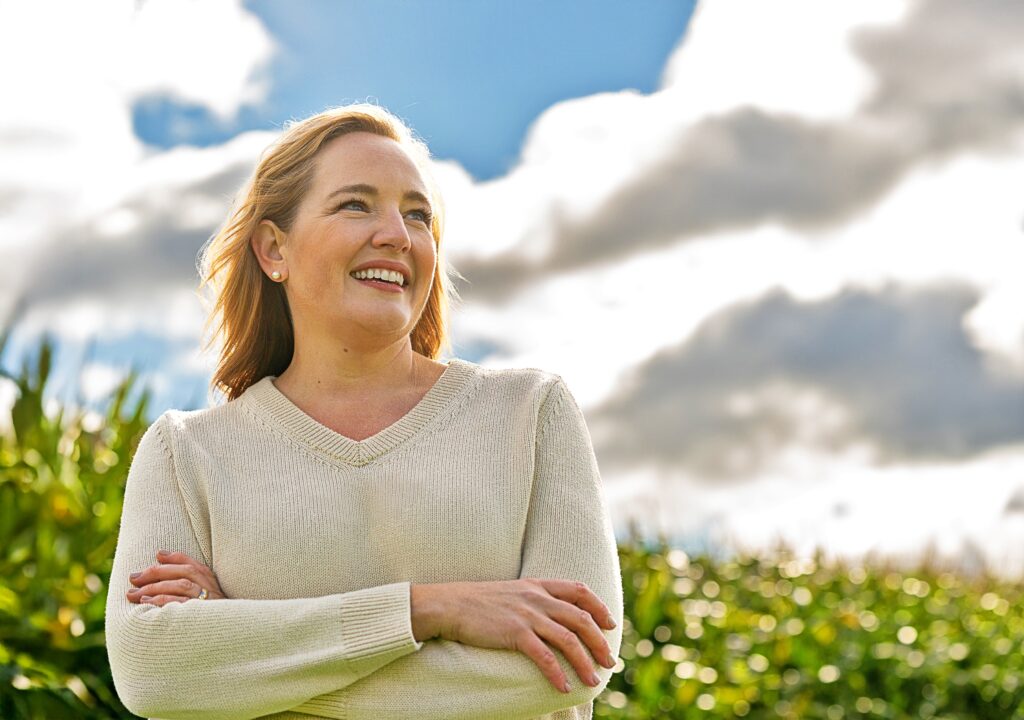
Kelda Roys represented a Madison district for two terms in the Assembly before losing the 2018 gubernatorial primary, then returned to the Capitol as a senator, winning the first of two terms in 2020. She serves on the Legislature’s Joint Finance Committee. She is also an attorney who was born in central Wisconsin. In this campaign, she has been endorsed by the Wisconsin Education Association Council, the state’s largest teachers union. Roys pledges to improve healthcare, paid leave, childcare and education funding while fighting Trump’s policies.
Already out but still on the ballot are former Lt. Gov. Mandela Barnes, who dropped out on July 30, as reports surfaced of inappropriate behavior with young adult women; Rodriguez, who withdrew on July 17, amid financial turmoil in her campaign; and Missy Hughes, a former dairy executive who was Evers’ development chief from 2019 to 2025 and who suspended her campaign on June 22 and endorsed Rodriguez. Kirk Bangstad, owner of Minocqua Brewing Co. and founder of a liberal super PAC, was unable to correct errors on his nominating petitions in time to qualify for the ballot. Other previously declared candidates did not file nominating petitions, including Brett Hulsey, an environmentalist who served 14 years on the Dane County Board and two terms in the Assembly before losing the 2014 gubernatorial primary; American Family Field beer vendor Ryan Strnad, who endorsed Crowley; and Zach Roper, a Carthage College student. Hulsey still appears to be running as a write-in candidate.
Republicans
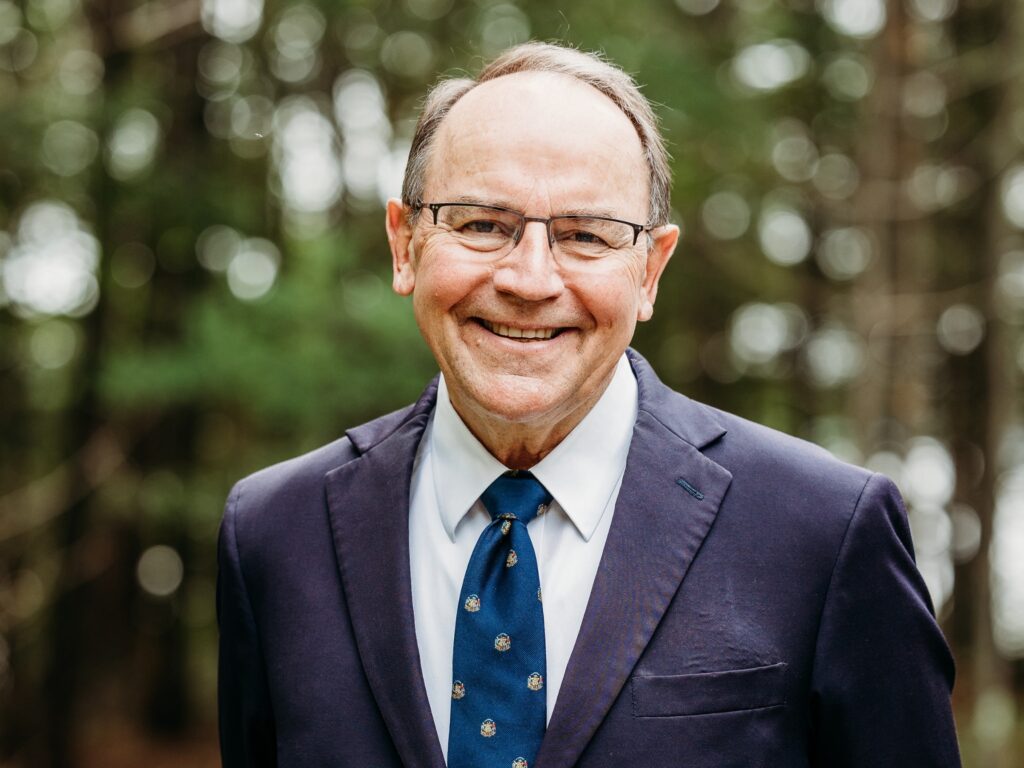
Tom Tiffany served 2½ years in the Assembly and eight years in the state Senate before winning his northwestern Wisconsin congressional seat in 2020. Earlier in his career, he owned a river cruise company and managed a dam. He’s a Trump loyalist who voted against certifying Democratic President Joe Biden’s 2020 victory before a violent mob of Trump backers invaded the U.S. Capitol in the deadly Jan. 6, 2021, insurrection. Trump has endorsed Tiffany. In this campaign, Tiffany is calling for freezing property taxes; increasing funding for schools; easing regulations on energy, housing, healthcare and childcare; and cracking down on crime and immigration.
Also running is Andy Manske, a medical service technician from Franklin.
Already out are Whitefish Bay businessman Bill Berrien, who left the race in September, after reports that he was following sexually explicit social media accounts; and Washington County Executive Josh Schoemann, who dropped out in January, after Trump endorsed Tiffany.
Others
Among independents, Milwaukee real estate agent and sign-swiper Carlos LeMar Dixon didn’t file his nomination papers but has said he will mount a write-in bid. Another independent, Milwaukee street preacher David King, loser of eight previous races for offices ranging from alderman to lieutenant governor, fell short of the 2,000 minimum signatures and also switched to a write-in campaign. Nobody filed in the Libertarian, Green or Constitution party primaries.