
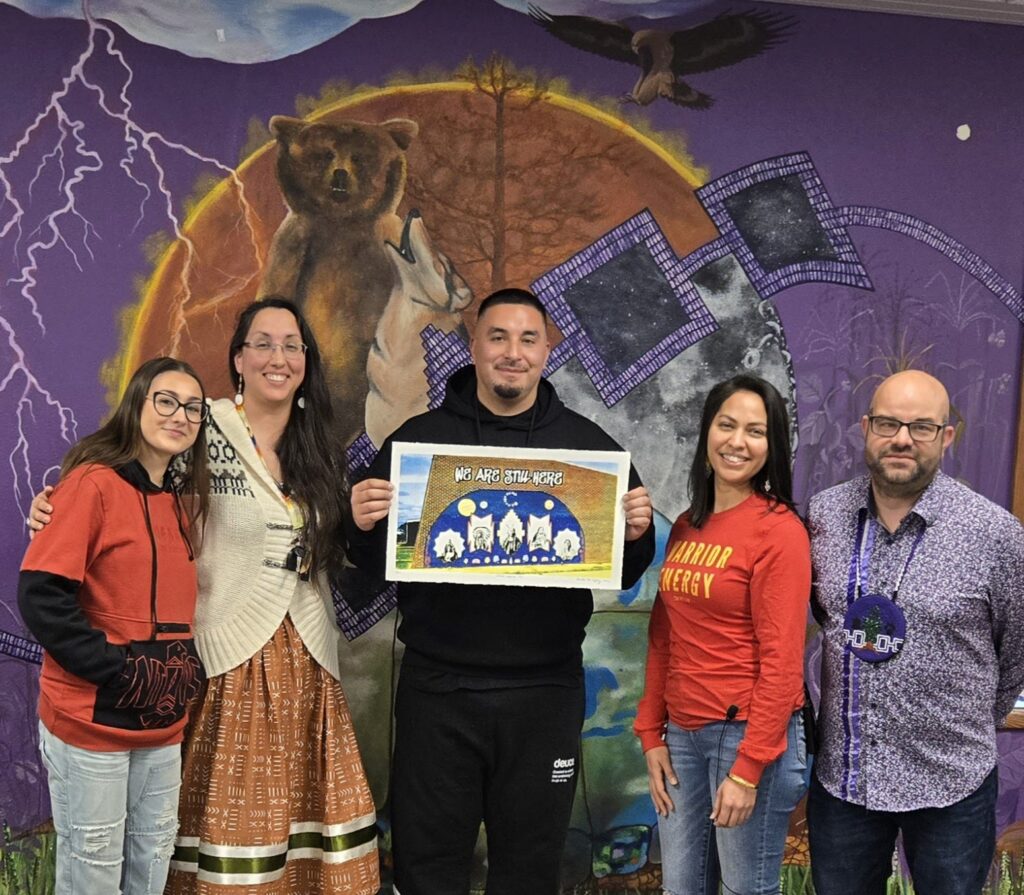
This weekend, members of diverse Indigenous tribes throughout Milwaukee will come together to honor their ancestors, build community and celebrate their culture and survival.
The Urban Indigenous League’s Native Community Celebration on Nov. 22 at the Wgema Campus on Milwaukee’s Near West Side (944 N. 33rd St.) will feature a traditional meal, a Navajo basket dance performance, presentations on preserving the languages of Wisconsin’s Indigenous tribes, and connections to community resources. The event is geared toward members of the Indigenous community, but anyone is welcome to come and learn, says Averie Anderson, a member of the league’s leadership team. Attendees should RSVP on the league’s Facebook page.
“The purpose of our Native Community Celebration is to take time to invest in ourselves,” says Anderson, a community organizer and member of the Menominee and Oneida nations. “It’s to recognize that [we survived] through genocide, massacres and colonization.” The celebration also honors ancestors who did not survive but “lived, prayed and died for us to be here. In knowing that, we have a responsibility to do our best and be our best.”
These motivations inspire all the events organized by the Urban Indigenous League, which began hosting about-monthly events in February 2024 and is slated to become a 501(c)(3) nonprofit organization next year. The league was founded by a group of activists and organizers with goals of creating safe community spaces, building connections to preserve Indigenous cultures and traditions, and addressing and providing for community needs.
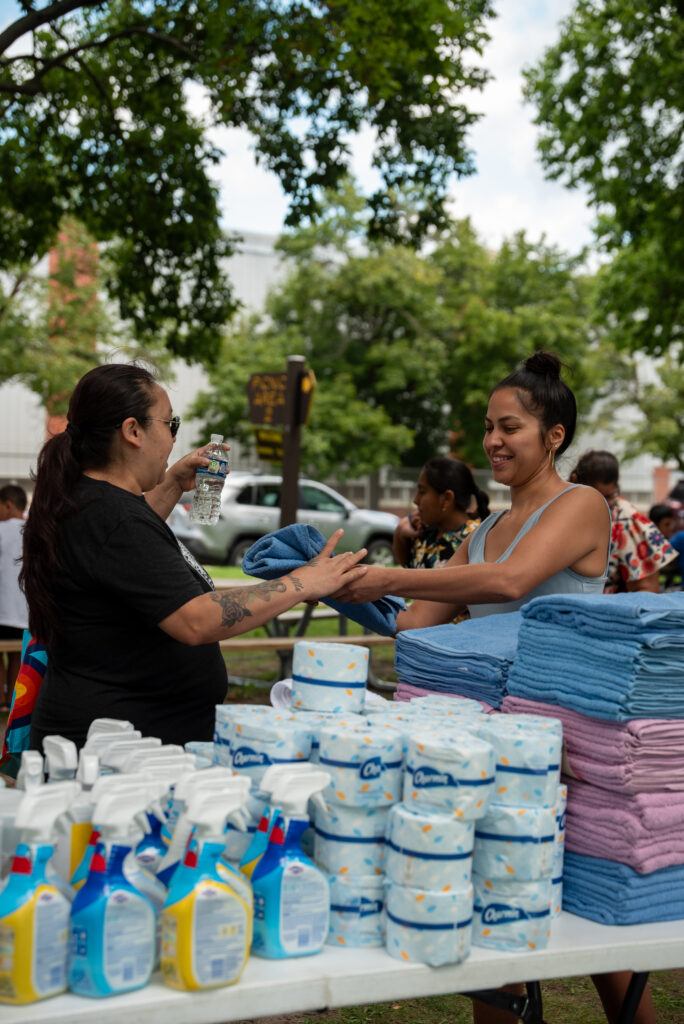
The league serves as a “mobile community center” for Milwaukee’s Native community, with events taking place at various locations. Past events have included a back-to-school cookout and school supply giveaway, a household and cleaning supplies giveaway, a Memorial Day celebration honoring both United States military veterans and Native warriors, and a Valentine’s Day gathering highlighting the importance of self-love.
Importantly, the league offers opportunities to build community – something Anderson notes is increasingly difficult in modern city environments. It’s a community that strives to support members in both happy and trying times.
“We recognize the intergenerational trauma that we’re dealing with has a lot of us in a really hard space,” Anderson says. “A lot of us are thriving, but a lot are simply still surviving.”
Celebrate this year’s winners of the Betty Awards!
Drawing on her background in education and community engagement, Anderson leads many tough but important conversations. She encourages people to reflect on the past, present and future when confronting deep community and personal struggles like the loss of identity, language and culture rooted in centuries of colonization.
“Being a part of and growing up in this community is recognizing [questions like] where do we come from? Why are we in this hard space that sometimes we feel like we’re in? And how do we face this, being honest with ourselves and where we’re at? How do we take that knowledge and move forward?”
While the Urban Indigenous League is not the only organization serving Milwaukee’s Native community, Anderson points out that it’s unique for a few reasons – specifically its intergenerational and intertribal missions.
Many Indigenous organizations primarily focus on cause-related events and traditional celebrations, like powwows and special feasts, Anderson says. She describes the league, in contrast, as a space dedicated to necessary community conversations, where members of any tribe can gather for a meal, conversation and resources.
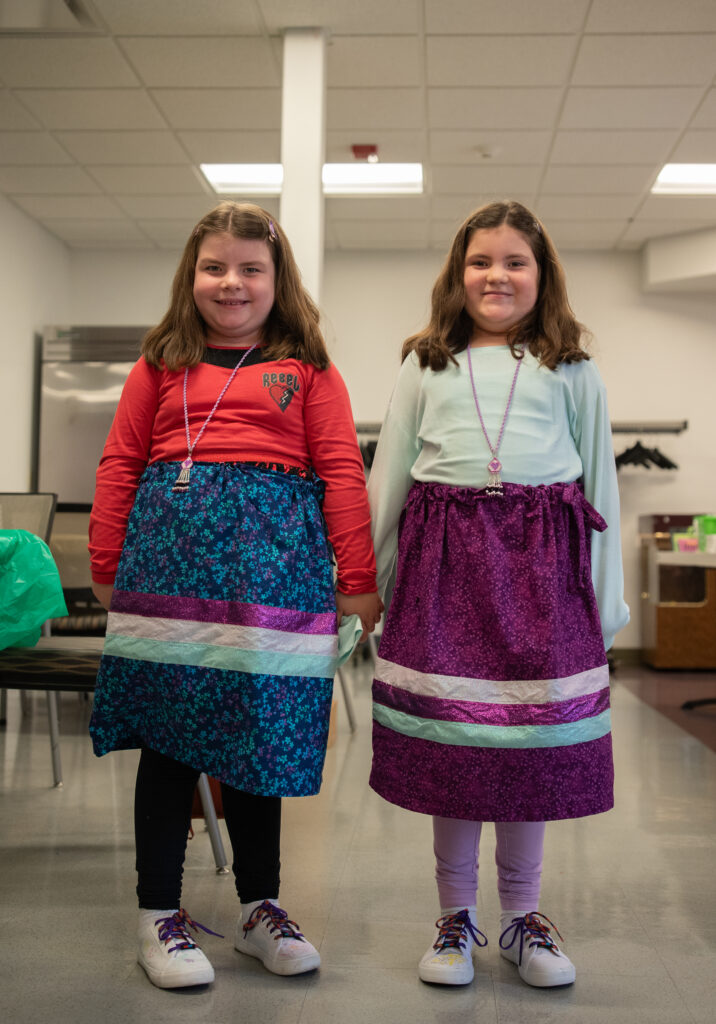
“Part of it is really focusing on our elders and our youth, taking opportunities to learn from them and also uplift them,” she adds. “Our elders inform the next generation, and our youth are the next generation.”
For example, at the Memorial Day event, elders and families were invited to bring photos and memorabilia honoring their ancestors and those who served in battle for the U.S. or their tribe. Young people brought in original artwork, which was featured in a display along with photos and memorabilia.
Anderson says the league is already planning its calendar for 2026, including a new, Indigenous-led yoga and fitness event. She says the best way to stay up-to-date is by following the league’s Facebook page.