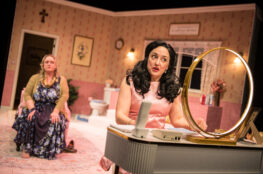

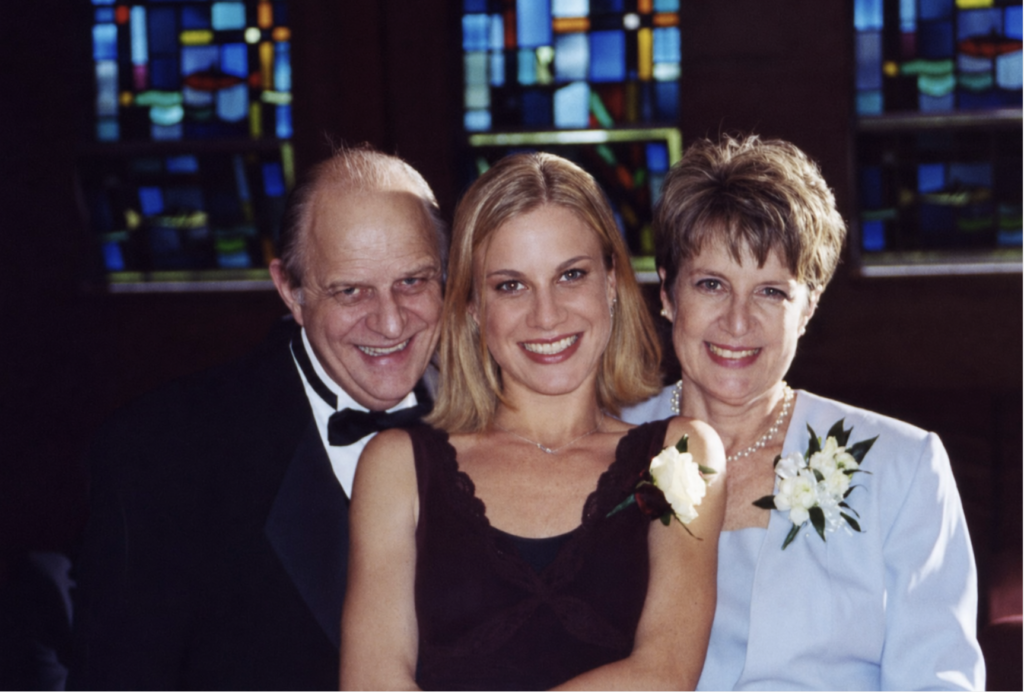
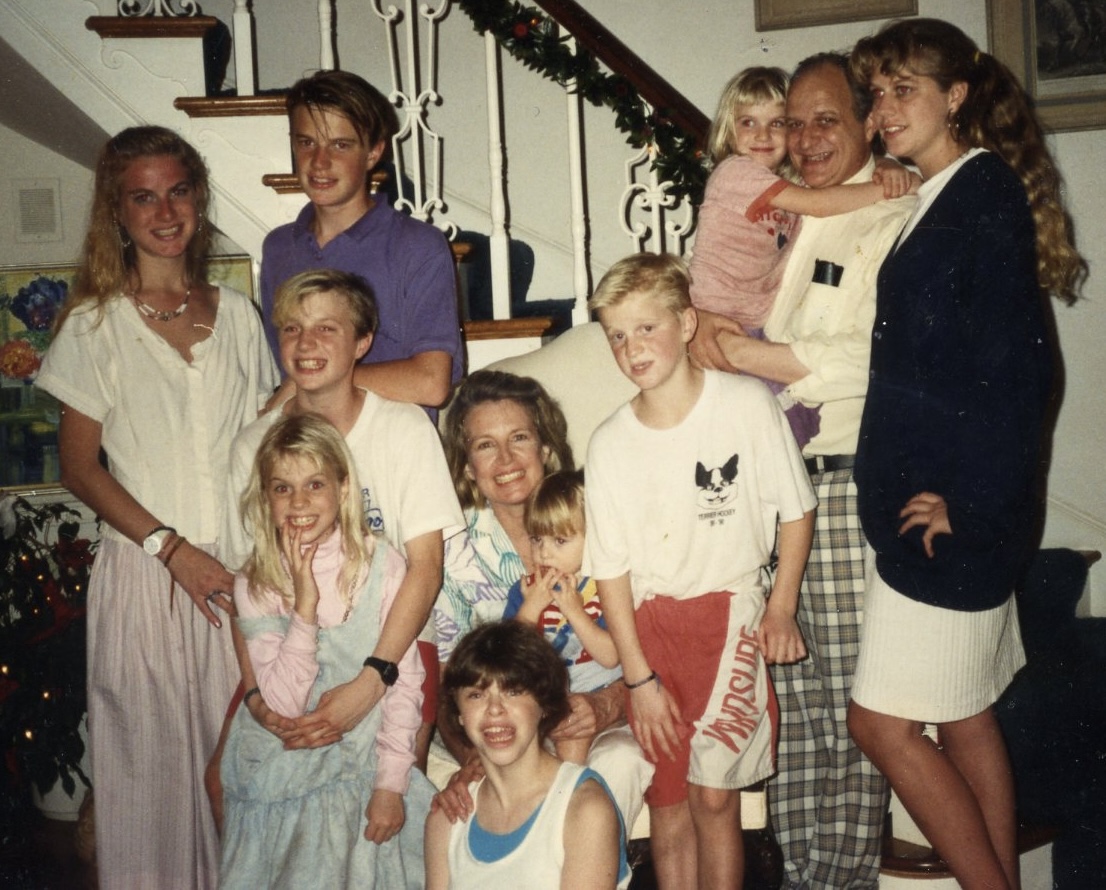
I am the eldest of Dominique Paul Noth’s nine children, and I have spent the days since his death, on June 26 at age 84, trying to explain who he was. That sounds simple until I try to do it.
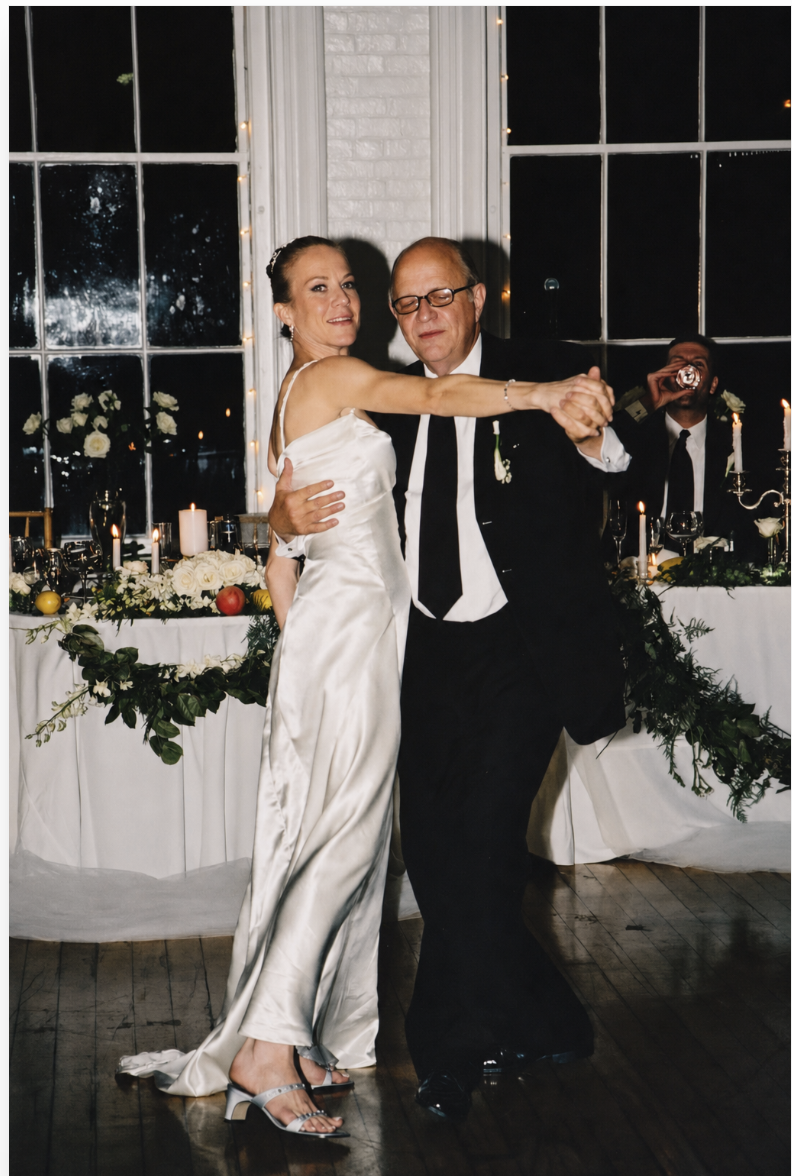
My father was a writer, editor, critic, teacher, actor, director, husband, father, grandfather and one of the people who helped shape Milwaukee’s cultural life for half a century. He wrote about theater, film, politics, labor, memory, technology and the city’s civic life. But to me, he was also Dad: the man who took me to plays, brought me into newspaper offices late at night, taught me how to build a paragraph, and made the world feel larger.
He was born in New York City in 1942 to a German anti-Nazi author and activist father and a Jewish opera singer and Holocaust survivor mother. That history lived in him. It gave him his moral seriousness, his love of music, his attention to politics, and his instinct that art and public life were never separate.
At the Milwaukee Journal, he found his professional home. Hired in 1966 as a copy editor, he moved into feature writing and arts coverage. In the 1970s, he became one of the editors of the paper’s original Green Sheet, where he laid out and edited pages and wrote features and interviews. He later created and ran sections including Friday Weekend and Lively Arts, and eventually became arts editor and senior features editor.

Celebrate this year’s winners of the Betty Awards!
My father was married to Martha Louise “Weezie” Langley Noth, my mother, and together they raised nine children. Our house was loud, crowded, funny, opinionated, argumentative, hungry and alive. My father worked constantly, but one way he loved us was by bringing us into the world he loved.
With nine children, he made one-on-one time by taking one child alone to plays, movies, operas, ballets, interviews, screenings, classes, restaurants and newspaper offices. Like any child, I sometimes wondered why we could not just go go-karting or mini-golfing like everyone else. Opera? Shakespeare? Serious films? Really? In Milwaukee?
Now I understand that my father was teaching me that Milwaukee deserved all of it.
That was one of his great beliefs. He did not look at Milwaukee as a lesser version of somewhere else. He did not think Milwaukee should be graded on a curve. He believed the city deserved serious art, serious criticism, serious journalism, serious food and serious attention. He approached Milwaukee as if it were New York, Los Angeles or Chicago, because why shouldn’t Milwaukee have Broadway standards? Why shouldn’t Milwaukee audiences expect excellence? Why shouldn’t artists here be taken seriously?
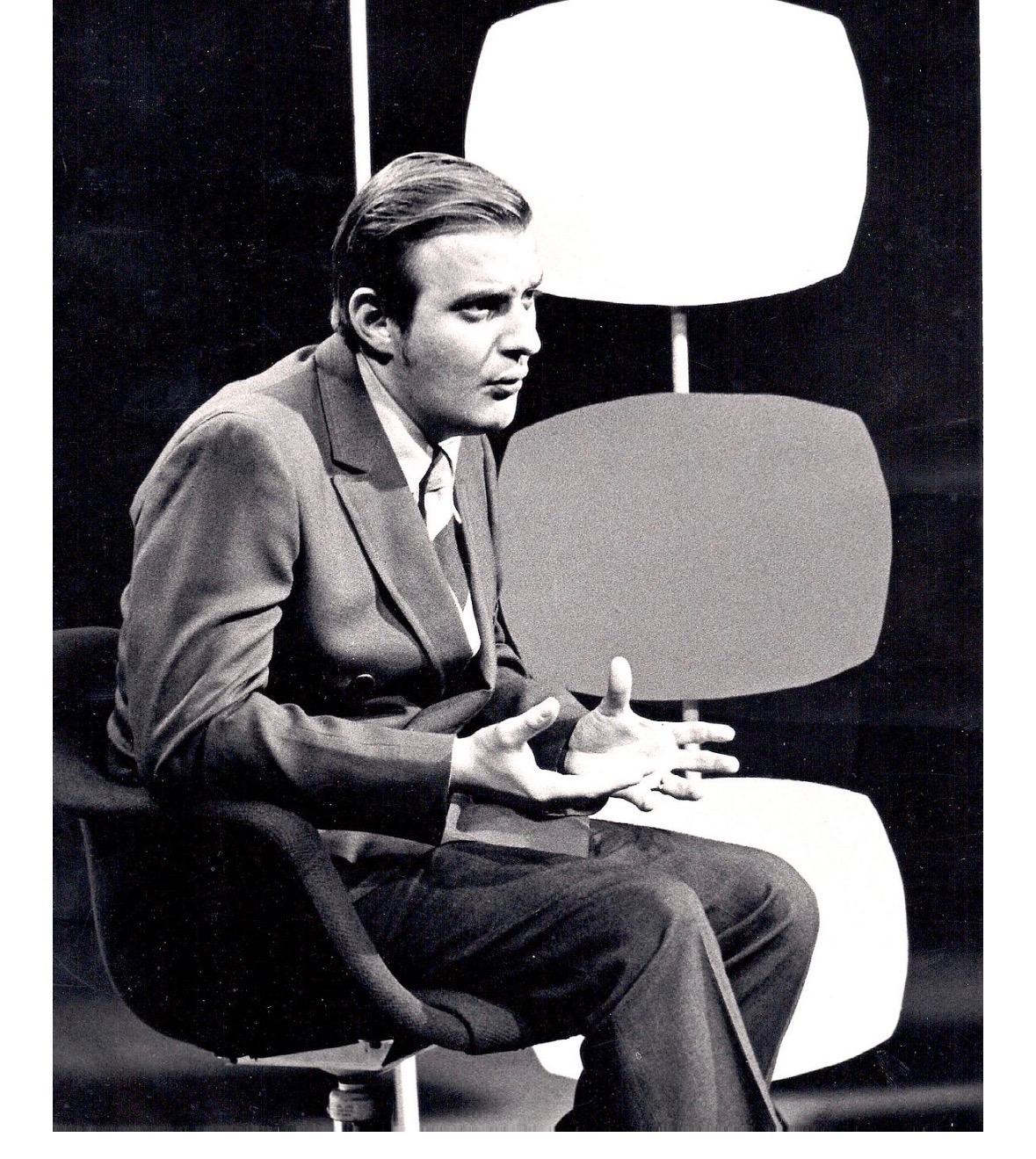
For him, that was not elitism. It was democracy. Milwaukee mattered. Its audiences mattered. Its artists mattered. Its workers mattered. Its politics mattered. Its theaters, stages, screens, restaurants, neighborhoods, festivals and newspapers mattered. And because they mattered, they deserved honesty.
That is also why he wrote some, shall we say, “slightly unfavorable” reviews when he thought they were deserved. In Dom’s vocabulary, “slightly unfavorable” could include a review of The Taming of the Shrew headlined “The Maiming of the Shrew.” In a smaller arts community, that was not always comfortable. Milwaukee was not New York, where harsh reviews were expected as part of the ecosystem. Here, artists, critics, editors, donors, board members, directors and audiences all existed close to one another. A bad review could feel personal.
But my father believed criticism was not supposed to be social smoothing. It was supposed to be truthful.
At one point, he was even briefly barred from a theater because of reviews he had written. To me, that story says almost everything about him. He was not trying to be cruel. He was not trying to prove that he was the smartest person in the room. He was trying to raise the bar.
His attitude was: Why shouldn’t Milwaukee have excellence? Why shouldn’t local artists be challenged with the same seriousness as artists in New York, Chicago or Los Angeles? Why should a critic not tell the truth just because an artistic director can call a paper and say, “Send a different critic”?
No one was playing in the sticks when Dom was watching.
That was not arrogance. It was respect. He respected Milwaukee too much to patronize it. He believed the city deserved theater, film, music, dance, journalism, food, politics and public life that were ambitious and honest. Now that Milwaukee is nationally recognized as a creative city, with a flourishing arts scene, it is worth remembering that Dom treated that scene as worthy of serious attention for sixty years before the wider world caught up.
There were many nights when he took me to a play and then, after the curtain came down, went straight to the Journal building so he could write the review for the next day’s paper. It might be ten o’clock at night, and I would go with him while he worked. I remember the strange romance of the building at night: the quiet, the urgency, the sense that something had to be written before the city woke up.
I did not know I was watching a real writer at work. Now I understand. He could go to a performance, absorb it, judge it, and turn it into writing under deadline. That requires intelligence, nerve, discipline, confidence, taste, memory, speed and faith that thoughtful, honest criticism matters.
His access to major figures sometimes made him seem to me like some kind of Hollywood mogul. He interviewed Alfred Hitchcock, Frank Capra, Cary Grant, Bob Fosse, Steven Spielberg, Liza Minnelli, Rita Moreno, Ron Howard and many others. Only later did I understand that he was something better: a brilliant working critic who made Milwaukee part of the larger cultural conversation.
He was not impressed by celebrity for its own sake. He liked artists, process and intelligence. His interviews were not about glamour. They were about work. His criticism was not about why he didn’t like something; it was about how it could be better.
He taught that in our home, too. I would ask him to type my school papers because he typed on his IBM at the speed of light. But he never simply typed. While he fired that keyboard, he taught me how to write: how to begin, how to build an argument, how to make a sentence carry thought. Now I am a producer and writer, and so much of that began with him.
His criticism won awards, including multiple Milwaukee Press Club honors, but awards were never the point. The point was the work. He believed criticism should be honest, not polite. A review was not a favor to the artist or a consumer guide for the audience. It was a serious response to a serious act of creation. If he was hard on something, it was because he believed the work mattered enough to be taken seriously.
After his long career at the Milwaukee Journal and Milwaukee Journal Sentinel, he continued writing about labor, politics, culture, technology and civic life for the Milwaukee Labor Press, Urban Milwaukee, Dom’s Snippets and Dom’s Domain. He continued to pay attention long after many people would have stopped.
That phrase, “paying attention,” may be the center of it. My father paid attention to everything: plays, movies, elections, labor fights, city leadership, actors, workers, children, sentences, history, jokes, recipes and the future. He could be intimidatingly smart. He made the world feel bigger.
Before he died, my father told me he had no regrets, except that he wished he had left the world in better condition. Then he said that now it was up to us, and to our children, to make the world a better place.
That was my father. Not sentimental in the easy way. Aspirational, always. He did not flatter people into comfort. He believed in them toward something higher.
I remembered a rare grading period in high school when I came home with nearly perfect marks: four As and one B-plus. I brought it to him expecting praise. He looked at it and said, “What’s with the B-plus?”
Sure, it stung a bit. It was also Dom. He was giving love in the only way he knew how: by refusing to let anyone he loved settle for almost.
He had the same standard for his children that he had for Milwaukee theater, journalism, politics, food, language and public life. Good was not the same as finished. Talent was not the same as discipline. Caring was not the same as doing the work.
Still, we know what he asked of us. Pay attention. Care about your city. Tell the truth. Take art seriously. Take people seriously. Do not be lazy with language. Do not be lazy with life. Make the world better.
So, nothing too ambitious.
I’ll try, Dad. I may only get to a B-plus, but I promise I’ll keep reaching.
Also, while I have you: how do I cut this to 500 words?
A celebration of life for Dominique Paul Noth will begin at 2 p.m. on Sunday, Aug. 2, at Turner Hall in Milwaukee, with a gathering and reception followed by a memorial tribute at 4 p.m.
In lieu of flowers, the family asks that you donate to the Dominique Paul Noth Memorial Fund in support of the arts, civic life and community.