
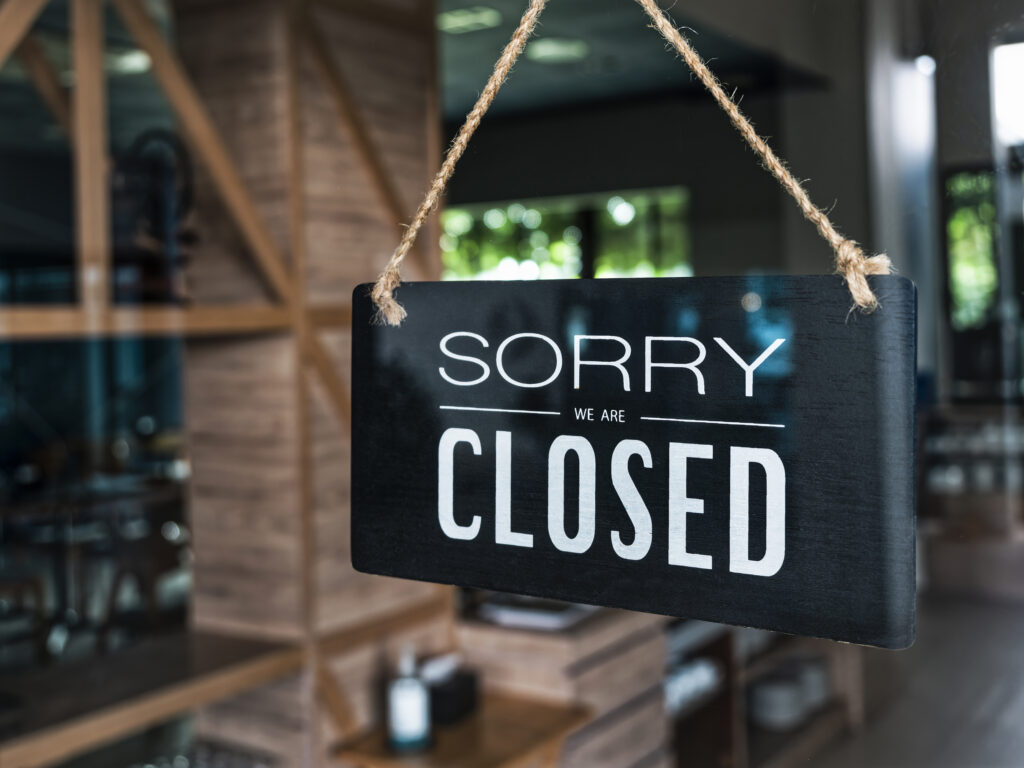
In the past few months, at least three restaurants in the Third Ward have had temporary closures.
On Feb. 25, the Milwaukee Health Department closed The Wicked Hop (345 N. Broadway), reportedly after observing dead roaches throughout a basement space the bar/restaurant shares with a separate facility. An inspection of The Wicked Hop’s kitchen then showed live roach activity, leading to a shutdown of food sales.
“Recently, during a routine health inspection, an issue was identified in our restaurant. Out of an abundance of caution and in full cooperation with the health department, we temporarily closed to address the matter immediately,” The Wicked Hop management said in statement posted on social media at the time.
The restaurant said it brought in licensed pest control professionals, completed a full treatment and deep cleaning of the facility and implemented additional preventative measures and met all required health standards in order to reopen on March 2.

Celebrate this year’s winners of the Betty Awards!
Blue Bat Kitchen & Tequilaria (249 N. Water St.), temporarily closed on March 2 after the discovery of “several matters” during a health inspection. The business reopened March 3.
Lastly, DanDan (360 E. Erie St.), the popular American-Chinese restaurant, posted on social media on March 20, in a message that has since been deleted, that the restaurant would be closed March 20 through March 22 “due to unforeseen circumstances.”
Is This Just About the Third Ward?
So, is this symptomatic of a widespread problem around the trendy Downtown neighborhood? Not according to the Milwaukee Health Department.
Issues at DanDan, Blue Bat Kitchen & Tequilaria and The Wicked Hop were identified during routine, follow-up or complaint-based inspections conducted by the Milwaukee Health Department.
“When violations that pose a risk to public health are observed, inspectors are required to issue an order to cease operations until the issue is corrected and verified through reinspection, which usually occurs within 24 to 48 hours,” Health Department spokeswoman Caroline Reinwald wrote in an email to Milwaukee Magazine.
Reinwald confirmed that the temporary closures involving the three Third Ward restaurants were related to “pest activity” observed during inspections. Each establishment addressed the issues identified by inspectors and were allowed to reopen after follow-up inspections confirmed compliance, she added.
During the same time frame, other establishments across Milwaukee also received cease operations orders for a variety of violations, according to Reinwald.
“The closures in the Third Ward were not unique but received additional attention because they were covered in local news reports,” she said. “These situations do not indicate a broader issue in a specific neighborhood or area of the city. Each inspection is evaluated individually, and enforcement action is taken when violations are observed to protect public health.”
The Health Department conducts more than 10,000 food inspections each year across the city, Reinwald noted. “Temporary closures are not unusual and can occur for a variety of reasons, including pest activity, licensing issues, lack of hot water or sewage concerns,” she wrote.
The Health Department’s food inspection team typically issues between 250 and 300 orders to cease operations annually, with the number issued so far this year consistent with previous years, she added.
Inspection reports for individual establishments are posted publicly on the Health Department’s restaurant food and service inspections webpage.