


How Frozen Rivers Played a Critical Role in the Evolution of Milwaukee’s Economy
A winter harvest from the Milwaukee river.
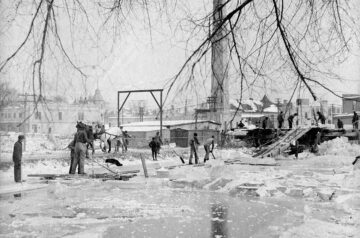
A winter harvest from the Milwaukee river.
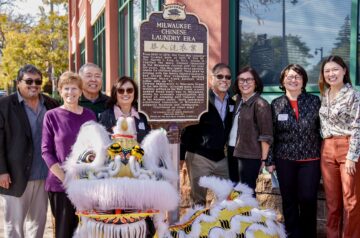
A personal reflection on a new historical marker honoring the immigrant families who ran neighborhood laundries in Milwaukee for more than a century.
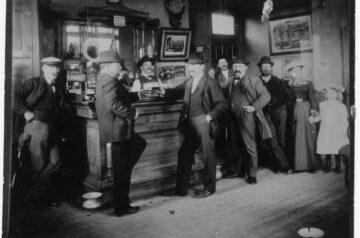
Schauss’s saloon was one of nearly 1,700 taverns crowding the city in the late 19th century.

Built 10 years before the city was officially incorporated, the courthouse was a win for the settlement of Juneautown.

The once prominent shop was eventually sold to Sara Lee before closing completely in 2005.

At 350 feet tall, the seat of city government towered over the rest of Milwaukee in the early 1900s.

St. Benedict’s has offered education, faith and service to generations.

It opened in 1909 and was the place for conventions, circuses, boxing matches, political rallies and much more.

It’s not Prague, it’s not Budapest – it’s 6th and Lincoln!

Serb Hall has been the center of Milwaukee’s Serbian Community – and a political touchstone for the city’s white working Class – for almost 75 years.