
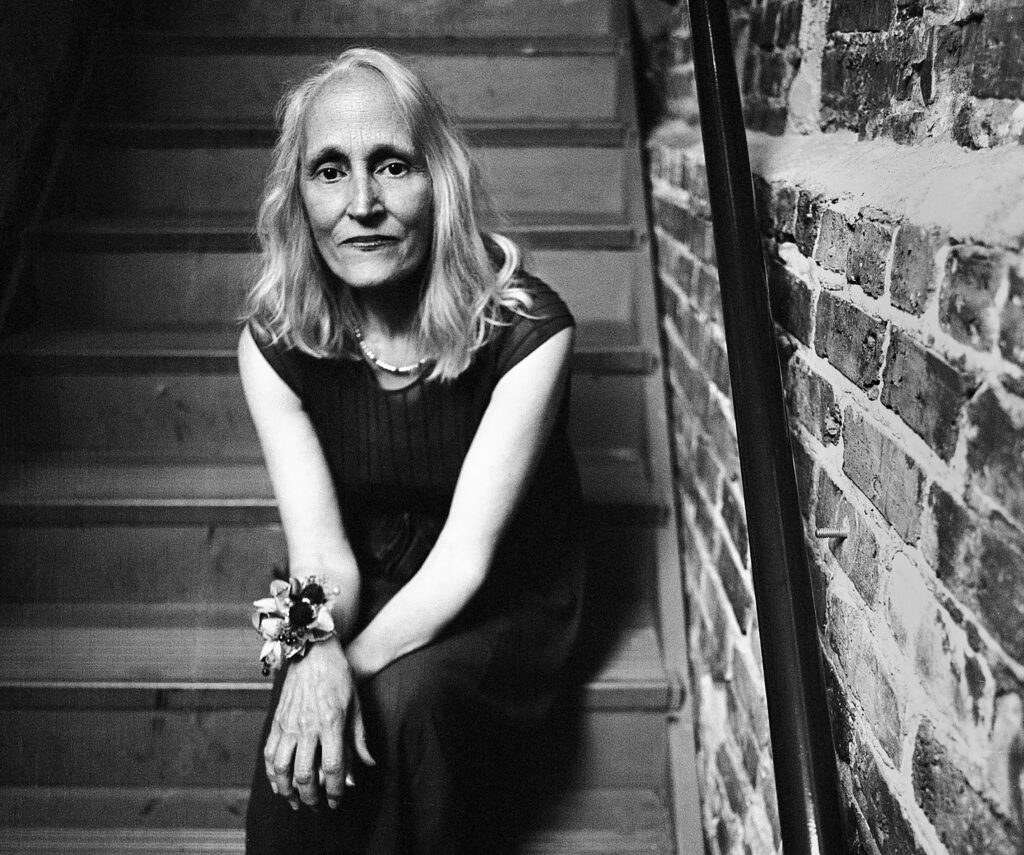
Former lecturer and director of the film graduate program at the University of Wisconsin-Milwaukee, Cecelia Condit is an artist of many hats, who has been working in indie film since the ’80s.
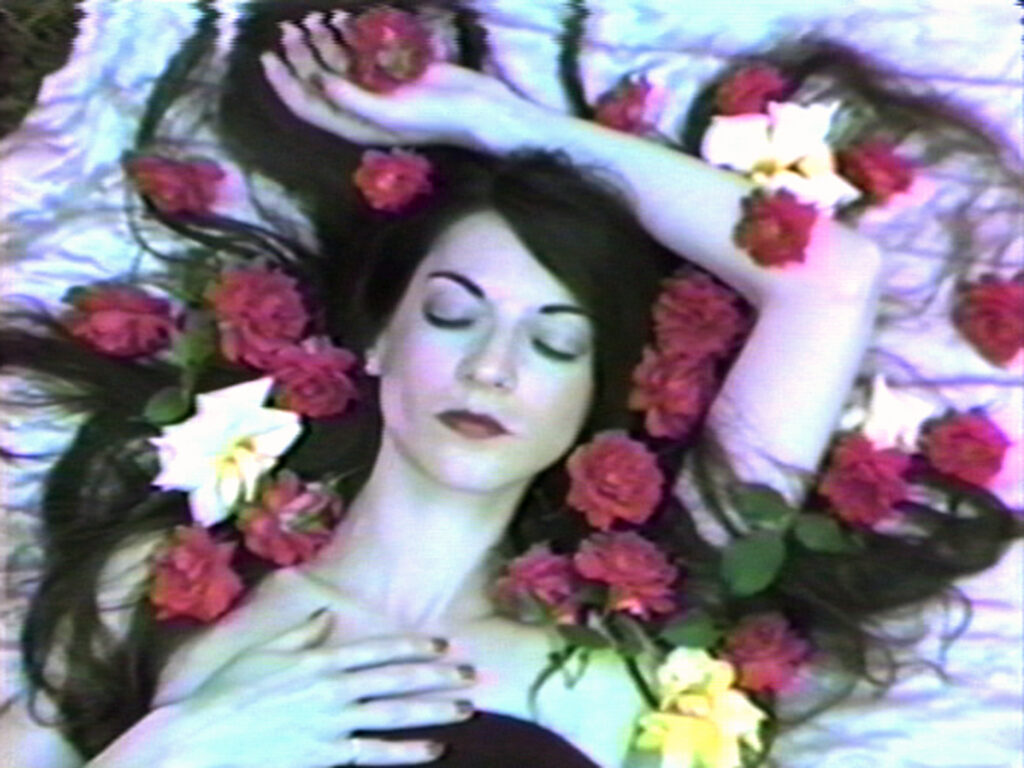
Condit is an important pillar of analog horror, which is a film genre noted for its dark ambiance rooted in internet culture. After her 1983 film Possibly In Michigan went viral on social media in the mid-to-late 2010s, she gained newfound notoriety as an influencer of the genre. I got the chance to speak to her over coffee about all things film, her career and more.
Celebrate this year’s winners of the Betty Awards!
How do you view your relationship with the internet?
It wasn’t until people found Possibly In Michigan on YouTube that going viral became an event. Putting myself out there was something I did casually thanks to a graduate student of mine who said, “Cecelia, you should put your earlier work online, I’ll set everything up.” Then when I was on the front page of Reddit for a week, I knew I had to commit more to posting.
That becomes this alter side of things. One of the reasons I get shows is because of this incredible me I have created online. I wonder who I would be if I wasn’t online, but it’s not fake. That person who is online is totally real, it’s just not you all the time.
How do you feel about Possibly in Michigan, which is obviously about a very serious topic, being turned into something comical by people? Are you upset by that, or have you just taken for all that it is worth?
I don’t get upset by anything. People are really, enormously nice to me. It’s not a meme, but I think my work has meme quality.
I usually have one line that sticks out. Sometimes it becomes so powerful, that when I’m ready to finish, I’m like, “This is going online but if it wasn’t, would that affect the work, would I make it in a way that would be for festivals like most people do?” I know I’ll send it to festivals whether it gets in or not, but this is a very different space if you put it online.
How do you feel about personally inspiring a whole generation of horror creatives?
I would never have thought Possibly could be interesting to younger artists, but their emails say otherwise. It seems to be very topical and relevant to people, which is something you can’t just decide to create. I get asked to go on podcasts and when they introduce me, they call me one of the original workers in analog horror, or they say I am the best of that generation and maybe the best period for any work online. I know that I am not, but I’m the best known in analog horror while being a woman. That’s an extraordinary thing.
I feel like the feminist aspect in your work can’t be taken away, it’s so ingrained.
No, you can’t. It’s part of why I made Possibly in Michigan. I didn’t know what I was doing. It was not until people started reacting to it, that I understood that this was a feminist manifesto.
I was just making a movie about how much I had a problem with men and that statement was raw with very little finesse, I didn’t realize I was making feminist art. It was just me saying how rough the world was and how violent the world was for me, my friends and my sisters. I fell into this hole that just felt like if you didn’t get murdered, you were doing pretty well.
The majority of your filmography deals with subverting and commentating on traditional gendered roles and the structured expectations of femininity. How do you view being a woman now compared to when you started your career?
Being a woman at one time was wearing the heaviest hat in the world, unless you were a person of color (that also was and is a heavy hat). I read fairy tales to my grandchildren and realized these stories rarely have a feminist narrative – you get a handsome prince, but he’s a spoiled brat.
In Sleeping Beauty, they take all the spinning wheels away from the castle so she doesn’t prick herself, but that was one of the only ways a spinster or widow could make a living. They took away an older woman’s way of supporting herself. As a storyteller, I relate to fairy tales that are about women being told what to do. I don’t like how they all are, because I don’t think the goal should be to marry a handsome prince who has lots of money.
People tell fairy tales a lot like a campfire story and it seems like it’s always told by women. When I first put my work online, on YouTube, it’s for everyone to see. That feels like telling my story around a much bigger campfire.