
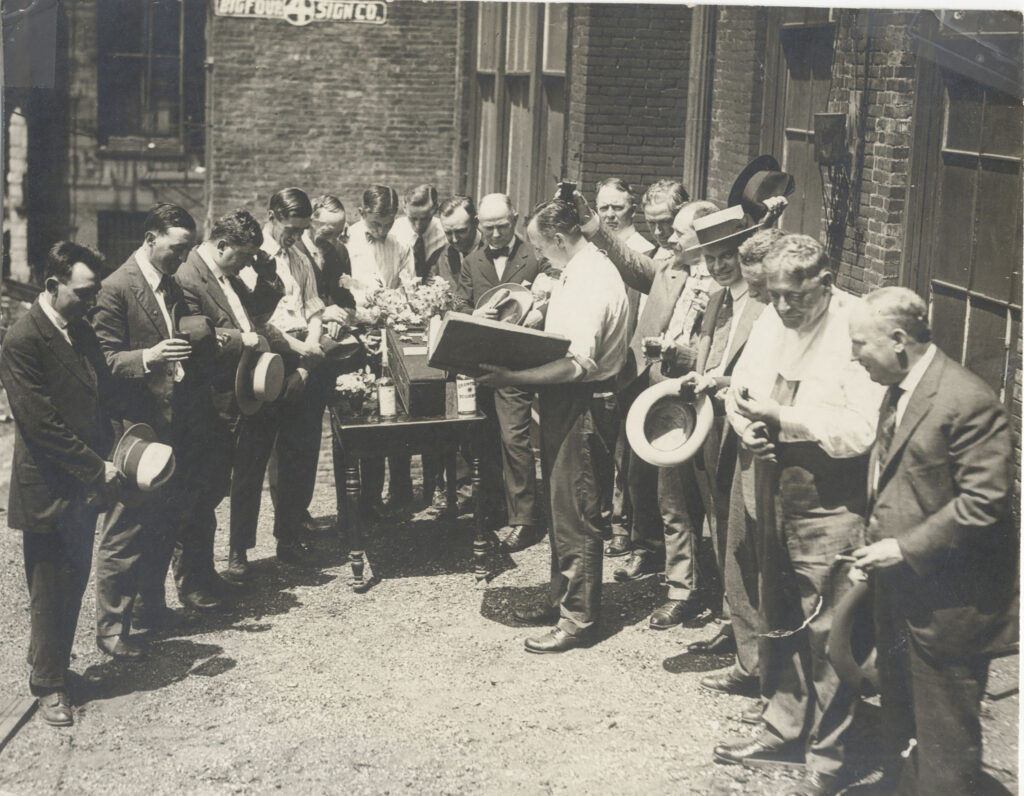
It was a funeral without a corpse. On June 21, 1919, a group of Milwaukee drinking buddies gathered to offer last rites for their patron saint: John Barleycorn, the venerable alter ego of all things alcoholic. Old John was about to perish in the grip of something called “wartime prohibition,” a measure whose ostensible aim was to conserve grain supplies for the World War I effort.
Never mind that the war had ended nearly eight months before the ban took effect on July 1; wartime prohibition marked the beginning of a long national drought that would test the limits of local law enforcement and the creativity of Milwaukee’s enormous drinking class.

If someone has inspired you through their service, leadership or dedication, the Unity Awards are your opportunity to recognize them!
The funeral was held behind the Weis Brothers liquor store on Water Street, a popular watering hole since about 1880. The “altar” was tastefully arranged with flowers and whiskey bottle candleholders placed around a diminutive coffin. Fortified with glasses of some dark liquid that was presumably not grape juice, the mourners doffed their hats for a memorial reading and the rendition of period songs like “Alcoholic Blues.” When the rites concluded, John Barleycorn was gently consigned to the waters of the Milwaukee River. The group’s mood was ceremonious but hardly serious; their smiles suggest that mirth was bubbling just below the surface.
Ten days later, liquor was illegal, and it would remain so for 14 long years. In Milwaukee, as in most American cities, Prohibition was more an inconvenience than a genuine privation. Bootleggers, home brewers and saloons – euphemistically relabeled “soft drink parlors” – continued to satisfy the demand for alcohol. Daniel Hoan, the Socialist who served as Milwaukee’s mayor for the entirety of the drought, was realistic. “If I had the whole United States Army,” Hoan declared, “I could not prevent illegal drinking. Prohibition is a big joke.”
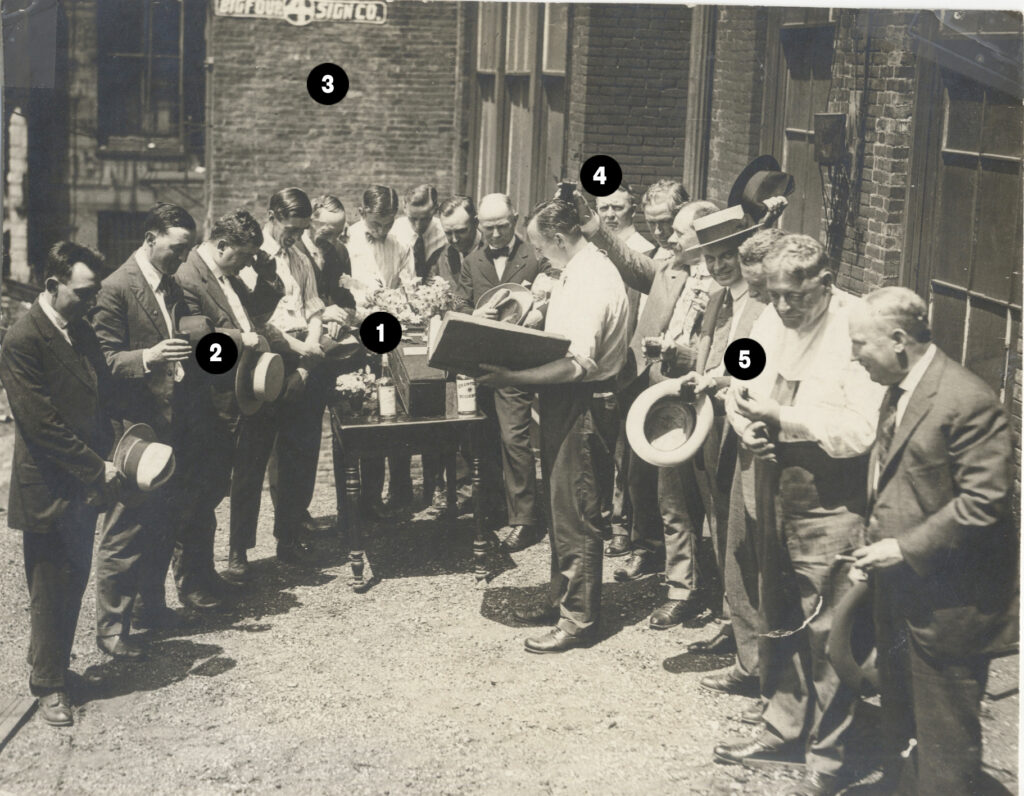
Take a closer look:
- One mourner offered a final toast to John Barleycorn.
- Roast beef sandwiches were served during and after the funeral.
- Bock beer? Bonded whiskey? Red wine? The contents of the glasses are a mystery.