

See in New Ways: Digital and 3D Scans
Know those gooey dental impressions needed before you get a mouth guard, aligner or crowns? Almost everyone loathes them. And now they’re becoming a thing of the past with the advancement of handheld intraoral scanners that capture 3D images of the teeth for those treatments and more. The images also provide a better way to visualize dental changes, says Dr. Anne Allmann, owner of Tosa Dental in Wauwatosa. “When we can identify problem areas early, it often means a less invasive and more cost-effective remedy,” Allmann says.
Another way 3D tech is changing dentistry is 3D printers. They’re being used to make temporary and even some types of permanent crowns, says Dr. Sofya Kats, a dentist at Riverwalk Dentistry in Milwaukee. “Right now, 3D-printed permanent crowns are improving quickly but still aren’t as strong or long-lasting as porcelain crowns made in a dental lab,” Kats explains. “But the technology is moving fast.”
Digital tech is also used for “smile designs,” Kats adds. “This lets you preview what your smile could look like with cosmetic or orthodontic treatment.”

Celebrate this year’s winners of the Betty Awards!
Blast Away Bacteria: Lasers
Hygiene is critical in dental care, and there may be no better way to beat bacteria than to zap them. Riverwalk Dentistry uses several types of lasers, including for bacterial reduction during cleanings. “This is a quick, painless, noninvasive procedure that uses a soft tissue diode laser to reduce harmful bacteria in the gum pockets to help control gum inflammation,” Kats says.
Low-level laser therapy, known as photobiomodulation, uses medical-grade red-light therapy to reduce pain, decrease inflammation and help tissues heal faster. This can be helpful for jaw joint pain, sore muscles or areas of irritation in the mouth.
Then there’s a CO2 laser used to release tongue ties in infants, children and adults. “This is a very precise method that can improve tongue mobility and support better feeding, speech and oral function, often with minimal bleeding and quick healing,” says Kats.
A Softer Trend: The Big Picture
New technology and techniques are important, but the personal touch is essential to quality dentistry, says Dr. Long Lee, a general dentist at SmiLEE Dental & Spa in Mequon. “One of the most meaningful changes I’ve seen in dentistry is a greater focus on the patient’s overall experience,” Lee says. “Taking the time to build trust and understand each patient’s concerns can completely change how they feel about receiving care.”
Part of that is creating a calm, welcoming environment that feels more relaxing and less clinical.
“Many patients experience dental anxiety, so we incorporate comforting touches such as relaxing music and warm towels to help patients feel more at ease,” he says. SmiLEE also offers spa services, including customized facials, to support the connection between teeth, skin and overall confidence. “Our goal is for patients to feel genuinely cared for as a whole person, not simply treated for a dental condition.”
Top Tips
What’s a little thing you can do to improve your oral health? These Top Dentists suggest:
Spit, Don’t Rinse
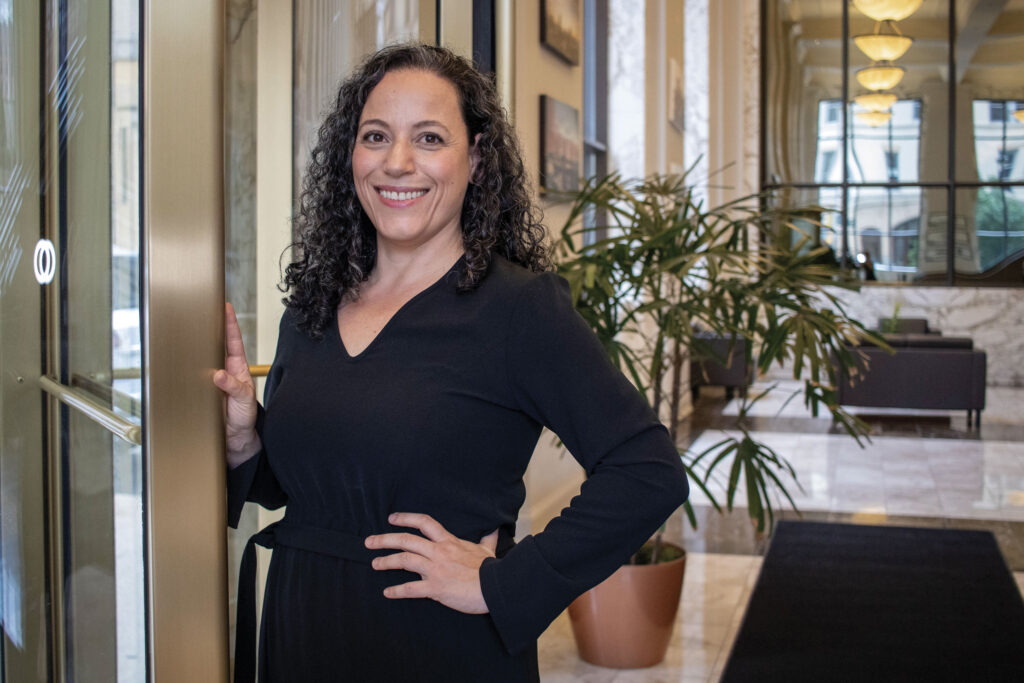
“After you brush, spit out the excess toothpaste but don’t rinse with water for about 20 to 30 minutes. This gives the fluoride or hydroxyapatite more time to strengthen your enamel, which can significantly reduce cavities.” – Dr. Sofya Kats, Riverwalk Dentistry
Breathe Through Your Nose

“If you consistently breathe through your mouth while awake or asleep, you’re increasing your risk of dental issues like gingivitis, decay and teeth crowding. Breathing through your mouth reduces the cleansing and neutralizing effects of saliva.” – Dr. Anne Allmann, Tosa Dental
See Your Dentist Regularly

“Many dental problems develop quietly, and routine examinations allow concerns to be treated earlier, when care is often simpler and more comfortable.” – Dr. Long Lee, SmiLEE Dental & Spa