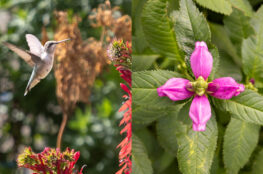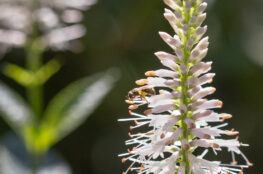
In the “Ted Lasso” TV series, player Dani Rojas swoops across the field singing out “soccer is life!” Excuse me, Ted Lasso writers, but not quite. Gardening is life – literally and figuratively. Like sports, gardening is also very good for you. We exercise our balance while navigating between piles, plants and unidentified lumps while we clip, clip clip across the landscape. My knees spring back from a winter sitting at my computer just by hauling sacks of mulch. We have routines for adding, editing and subtracting plants; we avoid repetitive motion injuries through the tasks we undertake; we reach for the 10,000 hours needed to become better, knowing we are all amateurs trying to manage the curve balls Nature throws at us.
There are dangers in sports, of course – cleats scraping down shins, balls winging towards heads. Gardening too. Have I mentioned the handcart that smacked me in the head when I removed a bag of mulch? Any of us can trip over sneaky, snaking hoses, or get puncture wounds when installing chicken wire (I didn’t have a full thumb print for two months!) Rhonda Fleming Hayes has a new book Garden for Life: Strategies for Easier, Greener, More Joyful Gardening as We Age coming out shortly. She talks about the steps we can take to make our gardens safer. Planting in raised beds, leaving more space between rows and smoothing out pathways to reduce trip hazards while carrying too many supplies are a few solves.

If someone has inspired you through their service, leadership or dedication, the Unity Awards are your opportunity to recognize them!
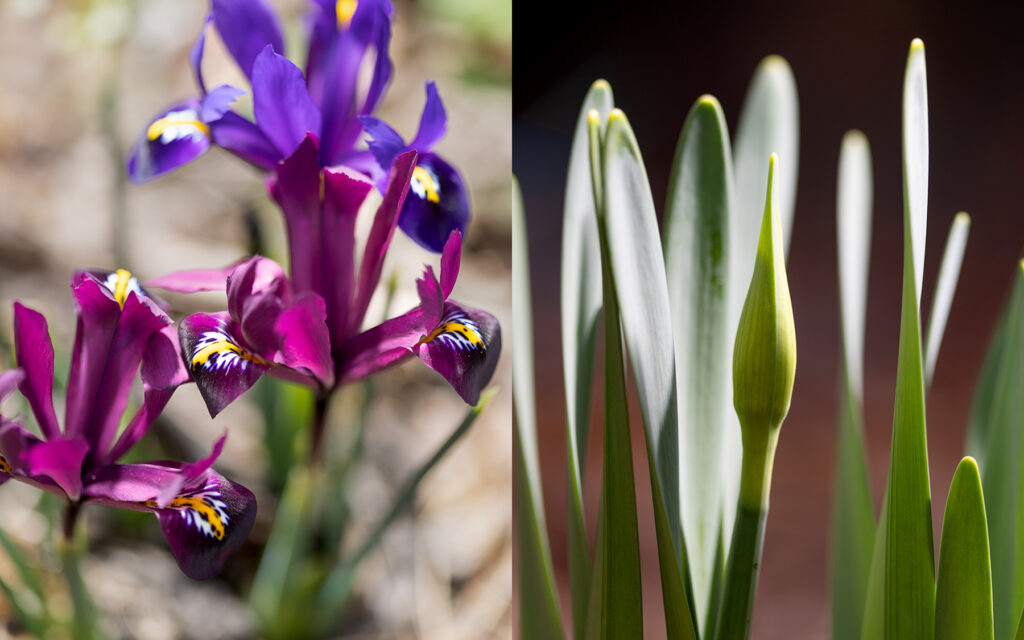
Why am I bringing up garden safety in April? It’s our spring training folks, we need to get back in gardening shape. Take some strength classes at the gym, use fish emulsion containers to build your biceps, get some good walks in before the first flowers bloom (for me, a miniature Dutch iris and prairie smoke) so you aren’t sore after your first full day of play in the May soil.
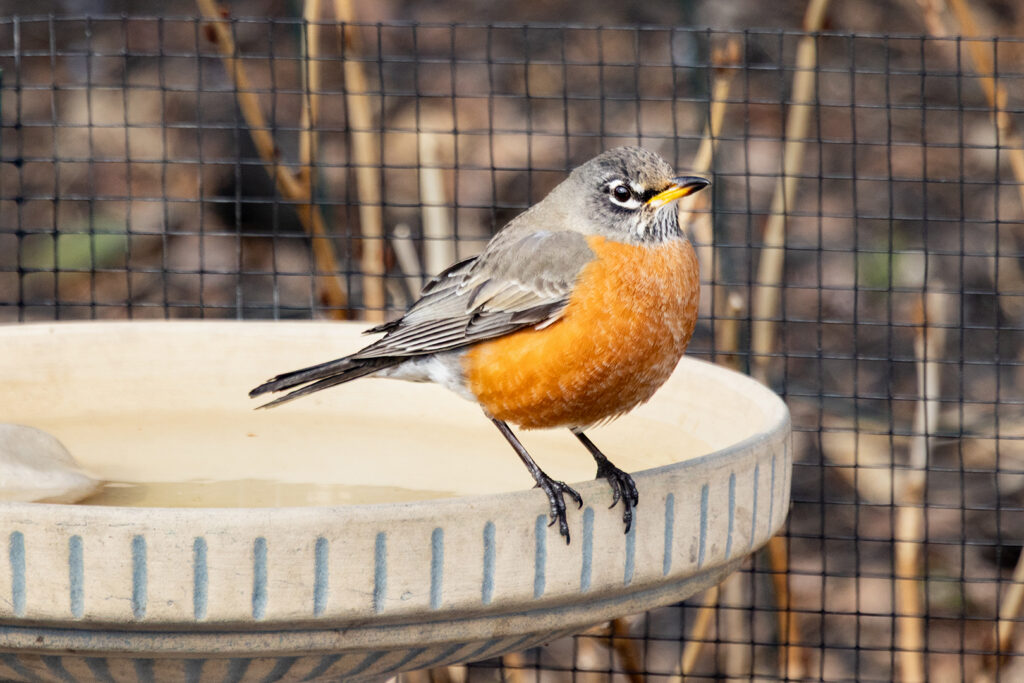
To train for spring, I’m upping my infrastructure game. For example, since water is a key part of every creature’s life, I installed a bird bath a few years ago, adding a heating element for an outdoor winter spa. Last fall, I moved the bath to our deck to make it easier for me to monitor and clean, but had zero visitors. I moved the bird bath back to its summer home and customers appeared immediately (the feathers gave them away). Birds need a vantage point to check for skulking predators and a big tree nearby to shelter safely. I bought a copper water purification plate to reduce the algae on the bowl and the rock “perches” I’ve added. Now if the robins would just poop outside the bird bath, everyone could enjoy clean water!
Another infrastructure addition will be a bird nesting box, free from the Lake Michigan Bird Observatory group in anticipation of the return migration barreling our way. I picked up free cardinal flower seeds from them this spring, and despite knowing how slippery the nature-focused slope is, I still fell for a chickadee-specific nesting box. For a small fee, they will install it correctly to ensure protection from weather (and the aforementioned skulking predators). I signed up for a training session to report bird household numbers correctly. Gardeners – always adding more work to our plate, sheesh!
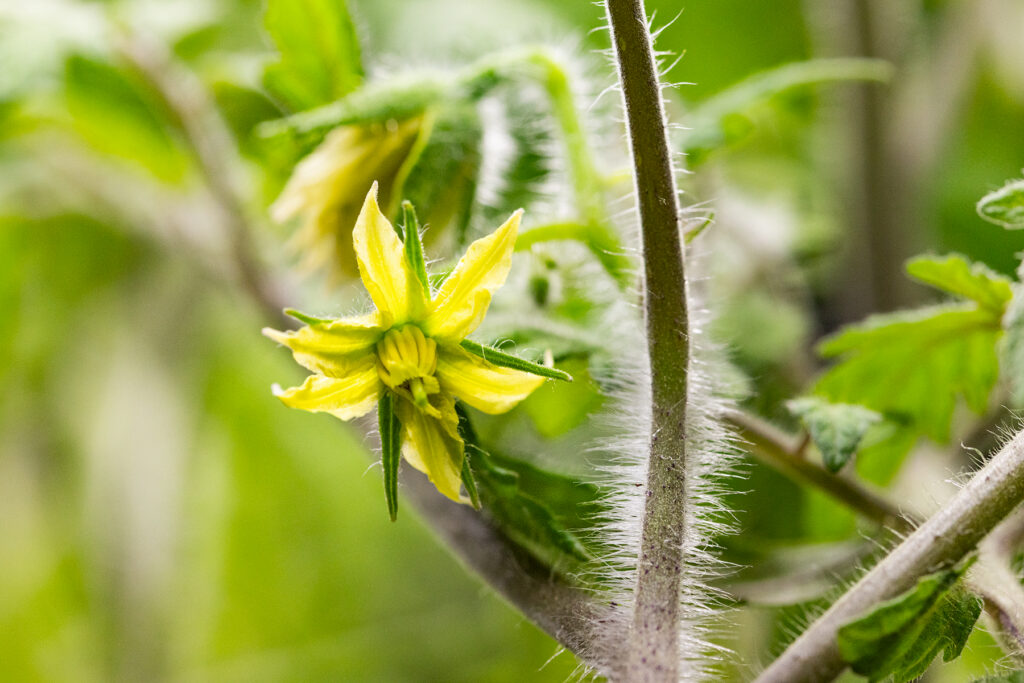
Great news about April – now is the time for indoor growing in preparation for May’s full season start. (In case you’ve forgotten, Wisconsinites can’t plant outdoors until it is 50 degrees for five straight days. No cheating, you’ll regret it.) Spring garden warm-up means tallying wins and losses. I have seven tomato flowers from my 11 indoor February starts – will they survive until I get them outside and into some pollinators’ path? They are showing “sun” stress as they have grown above my indoor light fixtures, time to raise my tomato “roof”. I have a fan that comes on every hour to jiggle the stems to train them for real weather. But the soil is drying too, so I made my first trip to the hardware store for mulch to reduce evaporation. My early lettuce and turnip starts are doing okay, but the dill, basil and some lettuces didn’t make it. Perhaps my drainage isn’t doing the trick – a few of the tubs had green dirt, and not in a good way. I’ve started fennel, lettuce, basil and arugula, but the bulk of these seeds will be direct sowed in May to get the volume we love to eat. Who are your season starters?
Sad news from the cold frame front: during that big wind a few weeks ago, the cold frame blew off the deck, scattering three of my four tubs of native seeds. I’ve grounded the frame with a bag of sand and compost to avoid any repeat “outs”. I will replant my violets, but the geum and rock harlequin seeds were from my garden, and I don’t have any left. Next at bat are lupins, anemone, purple prairie clover, milkweed, sunflowers, path rush, and black cohosh. We’ll see if these will get enough cold stratification considering the gyrations of our temps this time of year.
I did order some kale, edamame and eggplant seeds from an organic vendor to avoid the dreaded neonicotinoids (or neonics). Many nurseries pre-treat their plants and seeds with neonics, which are systemic poisons that kill caterpillars, undermine the cycle of life, get into our endocrine systems, wash into our waterways and kill the other species we’re trying to protect. I am just wrapping my head around this; for more information, check out the Xerces Society for Invertebrate Conservation’s “Understanding Neonicotinoids”.
I am slowly making the transition to the big league – outdoor gardening. Sure, there are bushes to prune, landscape fabric to clip back and mulch to add, but it’s still too early to remove your leaves. If you must clip, leave two feet of woody stems to protect overwintering bugs. And as our April sap begins to flow, let’s celebrate Earth Day, founded in 1970 by Wisconsin Governor Gaylord Nelson after seeing the devastation of the 1969 Santa Barbara oil spill. Earth Day joined national movements against war and environmental degradation, supported by activists from across the political spectrum concerned about their shared home. Check out Pollinator Partnership’s Earth Day tool kit to jump start your seasonal celebrations.
Remember, Mother Nature runs this club. We’re just pawns in her game of life. Each year she teaches me new strategies and challenges, coaching me on better practices. Gardening requires discipline and strategy, but it is also a game of chance. Suit up, and may we all be garden winners this season!
A Few Gardening Resources
Events
- Mushroom Log Workshop: | April 4, 1-4 p.m., $60, $51 for members | Lynden Sculpture Garden, 2145 W Brown Deer Rd, River Hills
- MKE Rec Community Clean-up for Earth Day: April 11, 9 a.m. – noon, free | Hawthorn Glen Outdoor Education Center, 1130 N. 60th Street, Milwaukee
- Bumble Bee Queens, Nests, and Spring Wildflowers presentation by Jeffrey Karron: April 14, 6:00-8:00 pm, free | Wild Ones Milwaukee North chapter at Schlitz Audubon Nature Center, 111 E. Brown Deer Rd., Bayside
- Care for the Land Series: Planting for Pollinators: April 15, 5-7 p.m., $15-20 | Urban Ecology Center, Riverside Park, 1500 E. Park Pl., Milwaukee
- Earth Week Pollinator Celebration!: April 18, 10 a.m. – noon, $35-50 | Schiltz Audobon Nature Center, 1111 E. Brown Deer Road, Milwaukee
- Earth Day Celebration: April 22, 10 a.m. – 2 p.m., free with admission | Milwaukee Public Museum, 800 W. Wells Street
- Native Tree Giveaway: April 25, 9 a.m. – noon | Lake Michigan Bird Observatory at the W.J. Niederkorn Library, 316 W. Grand Avenue, Port Washington
- National Stop Food Waste Day: April 26 | Check out the Wisconsin Department of Natural Resources’ 2026 study describing the impact of food waste in our communities or the The Kitchn’s article on how to dye some “craftastic” eggs with onion skins and other friendly natural resources.
Buying Plants
- One of the best plants lists for the Milwaukee is from the Wild Ones’ landscaping plan, designed by Danielle Bell of Native Roots. The seven-page plan is free to download and includes where to plant for the specific and sometimes drastically different conditions we each have. In the plan, you start with foundation plantings around the house, then slowly expand around the yard, for example, to create a privacy hedge with berry-bearing shrubs. Adding native plants with deeper roots will soak up any extra water that falls on your yard in heavy spring rains, while making your plants stronger and healthier. And the plant list—wow! If you have a lot of ground to cover, consider adding an American Elderberry, or a buttonbush or two (one of my favorites). The variety of gorgeous native plants listed include cardinal flowers, coneflowers, butterfly (milk)weeds, but also all sorts of grasses that provide seeds and habitat. Check the list out and ask for these plants at your local nursery or buy them on-line. Starting everything from seed is much less expensive but trickier –who’s up for the challenge? Since this plan is mostly for a smaller urban garden, if you’ve got the room, plant an oak tree. The creatures in your yard will thank you.
- Looking for native plant nurseries? The Wisconsin Department of Natural Resources has a list for you to find your nearest and dearest plant purveyor.
- Want to expand your yard’s activities at night? Plant a moon garden! By adding white and silvery-foliaged plants you will feed those creatures doing the night shift while you slumber.
- I just realized that Homegrown National Park has garden kits for anyone wanting to fill in areas of their yard, big or small, with native plants. I bought a kit for my shady area that includes Pennsylvania sedge, calico aster, Jacob’s ladder, wild geranium, Eastern columbine, zigzag goldenrod, harebell (which is likely an aggressive spreader so in a pot this one will go!), and heart leaved asters. I can’t wait.
- Prairie Moon Nursery for native plants and seeds. My favorite plants include any and all milkweeds, sunflowers (there are a lot of perennial types!), coneflowers, cardinal flowers, columbine, anemones, turtlehead, and prairie dock (watch out, this one gets big), to name a few. I planted the rare Queen of the Prairie last year – holy moly, what a tall and beautiful pink plant! I will let this one go to seed for more blooms in 2027.
Sustainable Garden Information
- I know you want to add specific host plants for pollinators. Take a look at National Wildlife Federation’s Plant Finder and see what lovely, crawly creatures you can attract to your yard.
- National Wildlife Federation Garden for Wildlife
- Check out Polinator Partner’s ecoregion planting guides.
- UW-Madison Extension soil testing, your plants will thank you!
- UW-Milwaukee Extension planting guide
- New Directions in the American Landscape is an educational organization dedicated to the “art, culture, and science of ecology-based landscape design and practice”.
- Want to give the fireflies a chance? Put in orange bulbs instead of white, and use motion detectors and timers rather than blasting light to outer space. For more information on supporting this lovely native bug, try the Xerces Society for Invertebrate Conservation.