

About 15 years ago, Dr. Francisco Enriquez was campaigning for cleaner energy in Milwaukee – and getting nowhere. He was trying to make a stir at community meetings, but the audiences were small and not particularly engaged. “I felt that all the people who were all involved were not organized,” he says. “We didn’t have a strategy. We could not bring that many people together.”
Amid this effort, Enriquez – a longtime pediatrician with Sixteenth Street Community Health Centers – found himself at a meeting in support of Fair Play, a campaign to improve Milwaukee Public Schools’ most deteriorated athletic facilities. It was standing room only. This was the energy Enriquez was looking for: the power of capital-O community Organizing.

Celebrate this year’s winners of the Betty Awards!
The force behind Fair Play was Common Ground, Milwaukee’s most effective organizing group. And the nonprofit, of which Enriquez is now a board member, has led dozens of similarly successful campaigns – relating to issues like housing, healthcare, education and the workforce – since its founding in 2008.
When Common Ground shows up, people show up. A lot of them, oftentimes. On June 11, 62 Common Ground members turned out for a Milwaukee Metropolitan Sewerage District (MMSD) contract hearing. Last year, 847 filled Serb Hall to launch campaigns for improved private housing and public safety on the South Side.
Common Ground’s first campaign launched in 2008 amid the mortgage crisis. With a focus on Sherman Park, it led an effort to refurbish more than 90 foreclosed homes and pressured five banks that had profited on subprime loans to invest $33 million in 2011.
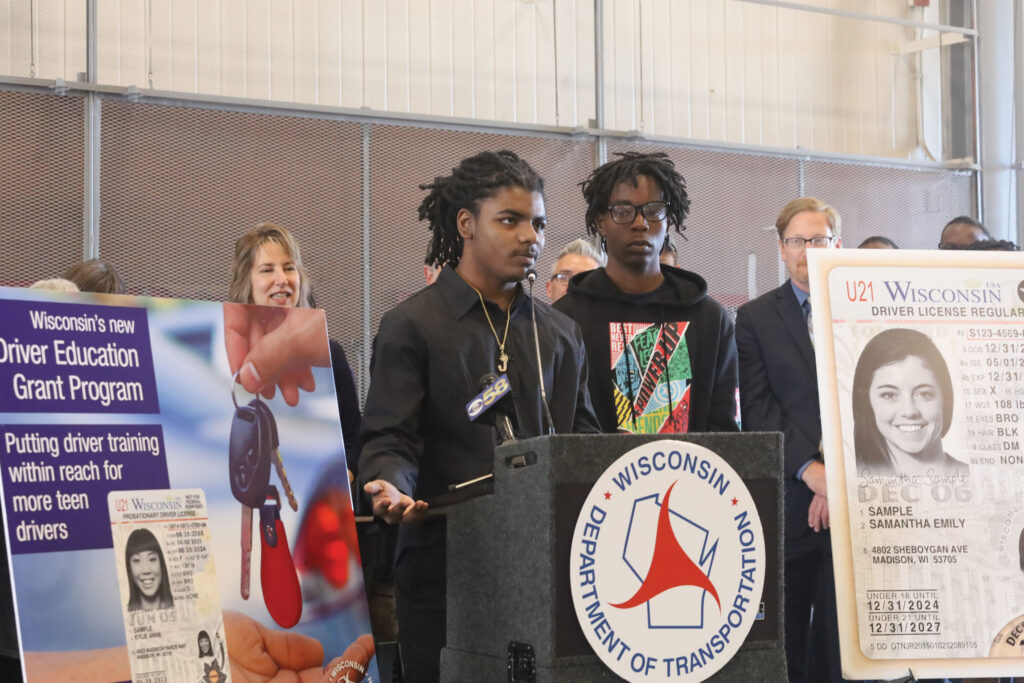
In late 2024, after a relentless Common Ground campaign alleging rampant fraud and waste, the local housing authority’s then-executive director Willie Hines retired; he and Mayor Cavalier Johnson claim the retirement was unrelated. Common Ground is also why the state is now investing $6 million in driver’s education for disadvantaged teenagers, and why millions were invested in Milwaukee’s athletic fields and playgrounds at the same time public funding for Fiserv Forum was approved.
These troops are largely rallied through Common Ground’s 46 member organizations, most of them churches. If each member is able to turn out 15 people – many can bring far more – that amounts to 690 bodies making noise in the face of eager-to-please public officials at listening sessions, board meetings and other usually mundane but bureaucratically essential proceedings.
Even the most hardened powerbrokers can’t ignore that many Milwaukeeans all at once, especially when the demonstrators have a clear goal. “We call them the foot soldiers in our church,” says Deacon Alexander Hardy of Community Baptist, “foot soldiers for change in the community.”
Common Ground’s big campaign right now is elevating whistleblower allegations of mismanagement, unsafe working conditions, and document destruction and falsification by Veolia, the French company that has managed the Milwaukee area’s sewage treatment plants since 2008. Veolia and MMSD both declined comment on this story. But a Veolia VP, in an op-ed that the Journal Sentinel published in July, cast aspersions on the nonprofit and its staff of three: “It gets them sensational headlines,” the VP wrote, without referring to Common Ground by name or specifically refuting the whistleblowers’ complaints. Since the original allegations, more than 20 whistleblowers have come forward to back up the claims.
In reaction to all this, the MMSD Commission has ordered an independent audit of Veolia that began in July. That’s exactly what Common Ground wanted.