


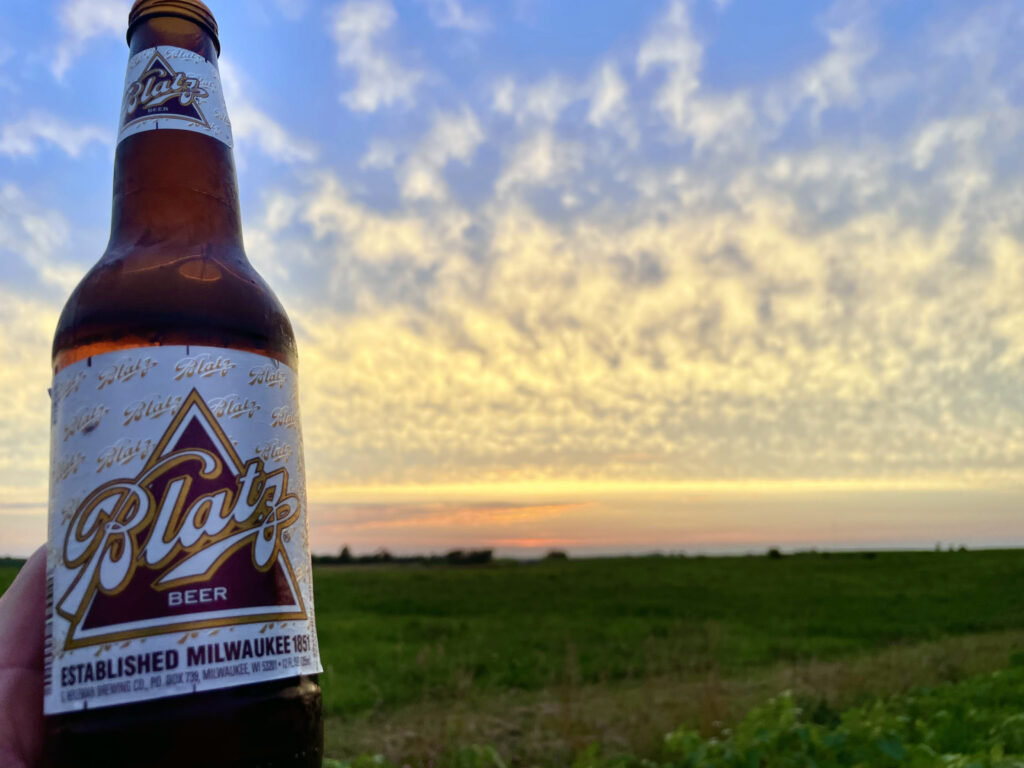
When your favorite beer begins disappearing from store shelves, it’s serious cause for concern.
On March 15, a New Glarus resident using the handle @BlatzBeerLover posted a picture on the social media platform X showing an empty shelf at his local grocery store with “Disc’d” crudely scrawled in Sharpie over a barcode for Blatz bottles.
“I was shocked,” said BlatzBeerLover, who wishes to remain anonymous. “There have been rumors of Blatz’s demise over the years. But then we started getting actual word from distributors that they were cutting all these SKUs like Old Milwaukee bottles and Schlitz cans apparently. It was like a gut punch once I realized it was real and I’m not going to be able to drink Blatz out of a bottle anymore.”
Still feels surreal. Bottle Blatz shelf spot from my local small town grocery. 😭😭
— Blatz Buck (@BlatzBeerLover) March 15, 2026
Nabbed one of the last Schlitz 12pk cans. Might just keep it for memories pic.twitter.com/ES2GHBe2kL
Blatz bottles are indeed officially “on hiatus” according to the Pabst Brewing Co., which oversees a large portfolio of beers that were a big part of Milwaukee’s brewing history. Blatz bottles, all Blatz Light packaging, Schlitz cans, Old Milwaukee bottles, and Old Milwaukee Light bottles are all part of Pabst’s paring down of packaging options.
Celebrate this year’s winners of the Betty Awards!
“Unfortunately, we have seen continued increases in our costs to store and ship certain products and have had to make some tough choices to place certain brands and SKUs on hiatus,” said Zac Nadile, Pabst’s head of brand strategy. “Any brand or packaging configuration that is put on hiatus is still a cherished part of our history and hopefully our future. We continually look for opportunities to bring back beloved brands and customer feedback is important in shaping those discussions.”
You might be surprised how large a customer base there is for Pabst to listen to. BlatzBeerLover, who often posts photos of snowfalls measured in Blatz bottles or cans, is just one of more than 7,000 members of the Blatz Beer Fan Club Group on Facebook, and similar groups exist for Schlitz fans. (Oddly enough, Old Milwaukee aficionados are harder to find.)
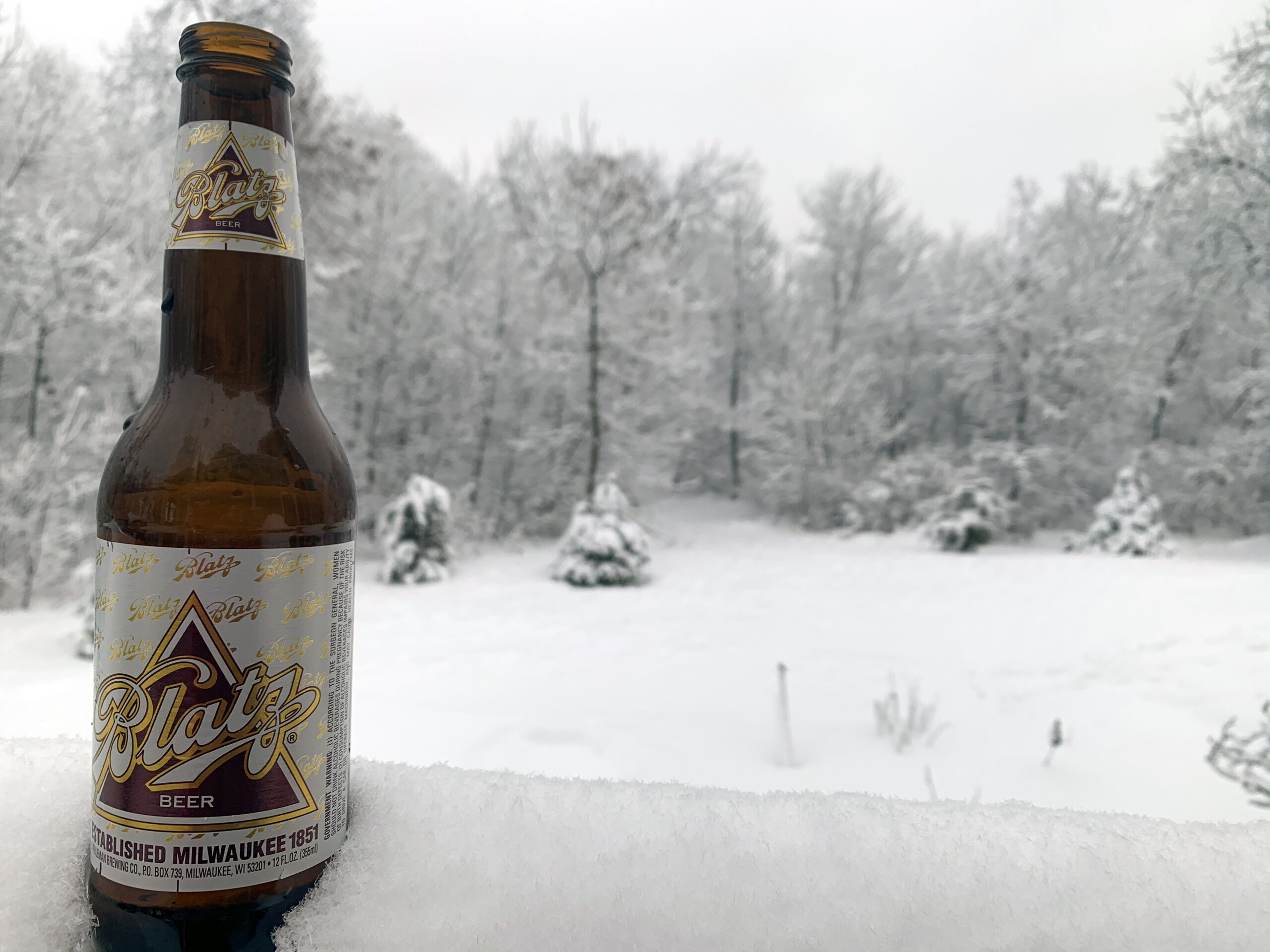
“I’ve been a big fan of Blatz since the late 1990s when I was in college in Madison,” explained BlatzBeerLover. “Blatz returnable bottles and Huber returnable bottles were the two cheapest beers at Riley’s Wines of the World, so they constituted a lot of what we drink.
I did research. Blatz was the first beer that was brewed in a bottle in Milwaukee and it won an award at the 1876 Centennial Exposition in Philadelphia. So, there were 150 years of bottled Blatz from then until its demise in early 2026.”
The big Blatz fan is fine transitioning to getting the elixir from cans, which are still available, but he has concerns that it’s a slippery beer-soaked slope.
“They don’t have Blatz at every liquor store. It’s usually at bigger places like Woodman’s. When they didn’t have Blatz bottles, I knew it was real. Then they got rid of the cans, too. They just don’t have Blatz anymore. My fear is when you lose the bottles, some places just aren’t going to order it anymore.”


