
If you ever wanted to learn about Milwaukee’s LGBTQ+ pioneers who lit the way forward for future generations, now is the time. Beacons of Brew City, a documentary premiering at the Oriental Theatre on June 16, celebrates the continuing contributions of Milwaukeeans who led the fight for LGBTQ+ rights in Wisconsin. Attendees can look forward to a gallery exhibit, guest speakers, live panel discussion (moderated by Kidd O’Shea from WTMJ) and photo ops with the Beacons themselves following the documentary screening.
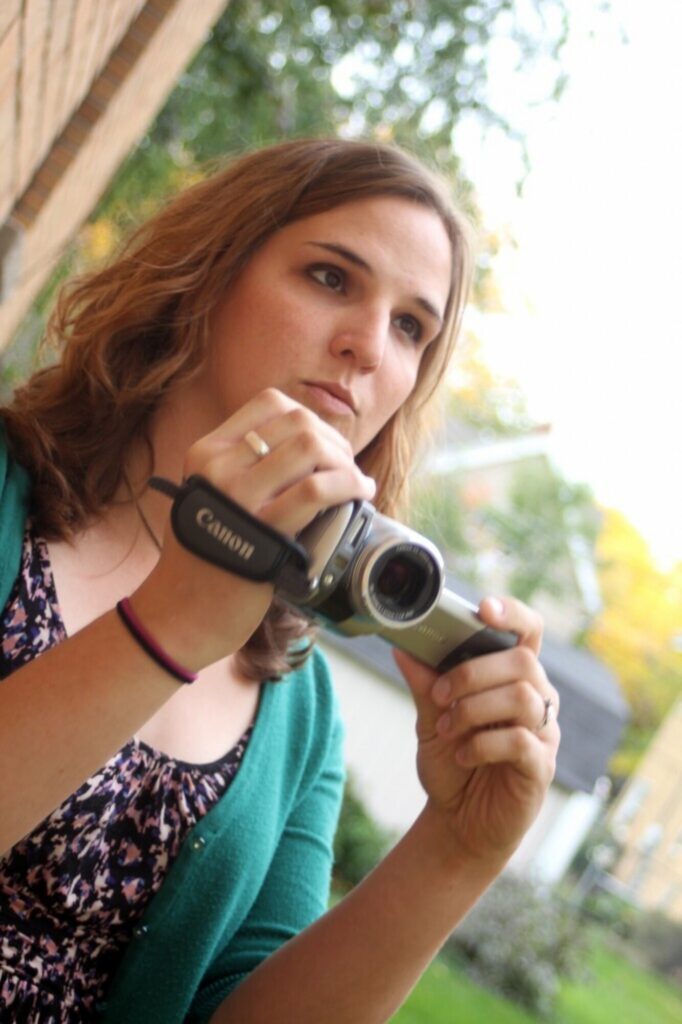
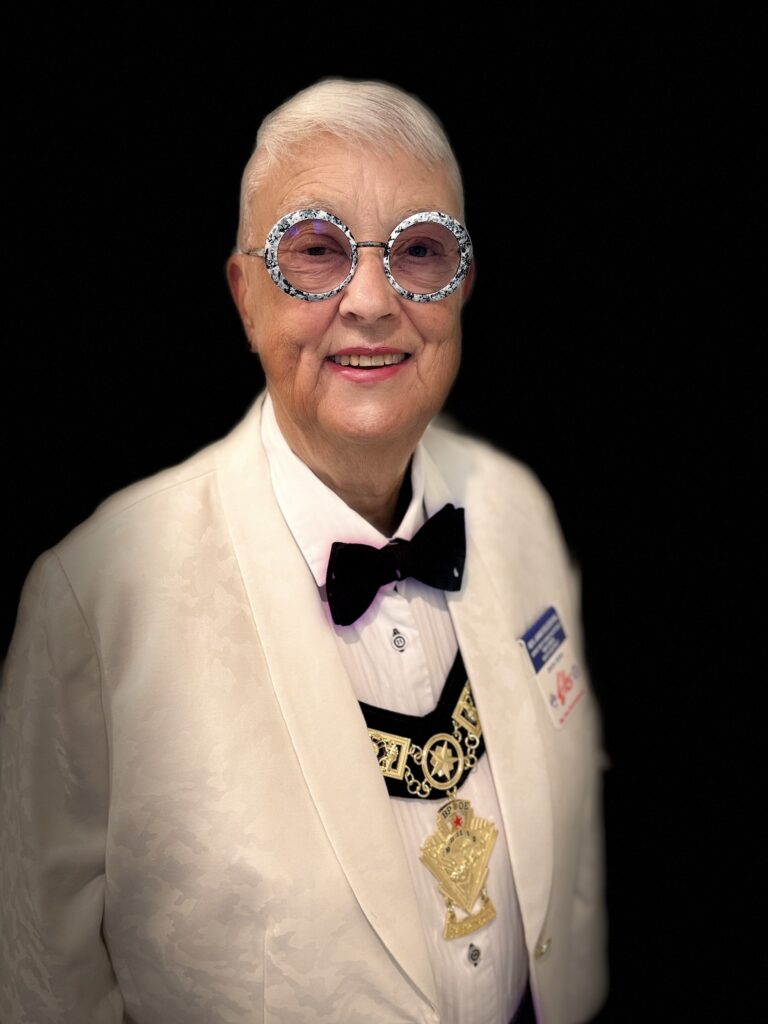
I spoke with Beacons filmmaker Ashley Altadonna, chair of the Wisconsin LGBTQ History Project Michail Takach, as well as featured LGBTQ+ elders Rev. Janis K. Doleschal and Milwaukee County Register of Deeds Israel Ramón to learn how the film can help to inspire future generations of Milwaukeeans.
Celebrate this year’s winners of the Betty Awards!
Tell us about Beacons of Brew City and its place in Milwaukee’s LBGTQ+ history.
Michail Takach: The Beacons project came about because we [at the Wisconsin LGBTQ History Project] recognized there are a lot of barriers to our community knowing its own history. The Beacons project is intended to get those stories out there and for folks to connect with these elders.
Israel Ramón: Absolutely, that’s the whole key to this project. To recognize individuals that have made efforts to improve our community. Just highlighting individuals so people after us have an easier time. Our job is to make it easier for individuals as they go through life, so they can be the best they can be.
Rev. Janis K. Doleschal: If anyone is interested in learning about the LGBTQ+ community, I would urge them to come. If anyone has questions about how they can be an ally or an advocate, I urge them to come. If there are any struggling with their own questions with LGBTQ+ issues, I would urge them to come. Part of being a Beacon is being an educational mentor to other people who may be asking the questions I asked when I was younger and couldn’t get any answers because I didn’t know who to trust, I didn’t know who to ask and there really wasn’t anything out there for us.
Ashley Altadonna: It’s about honoring older LGBTQ folks in the community who have made significant contributions but haven’t got the recognition they deserved. It really has given me a deeper appreciation for history that’s all around us. I can’t help but when I drive past places downtown, the Third Ward, Second Street…it’s cool for me to know what happened there, what was significant and what makes this part of our community special. If you spend all of your time doomscrolling on your phone about how terrible everything is and the latest restrictions happening from certain administrations that happen to be in power right now, you’re missing out on that through-line of we’ve been through this before when we can do it again if we have that reassurance.
Do you find that there’s a through-line in terms of an intergenerational struggle for people in the LGBTQ community?
Altadonna: I think there is. They didn’t think we’d be back here … they thought we’d be past all this [discrimination against LGBTQ+ people] by now. To me it’s oddly reassuring to see that folks have gone through this before, they have survived, they have fought for those rights. The way that they have come together is a blueprint for folks my age and younger can use as a template, maybe the activism will not be identical, but there are lessons that can be learned from this older generation.
Doleschal: For the Wisconsin LGBTQ History Project to get stories out to share what it was like “back then” is commendable.
“Back then” was pretty oppressive for LGBTQ+ people. The steps the Beacons have taken, despite so much oppression, is impressive.
Doleschal: I went to UW-Lacrosse [in the 1960s] and it was not friendly to anyone perceived as being LGBTQ. The automatic assumption was, if you were involved in physical education (and that was THE physical education school at the time) you had to be gay. It was an atmosphere of fear, oppression and “we’re gonna get you”. In order to survive, you had to hide really well or, you had to protect yourself in such a way that if they made any accusations you could counter the accusations. It really was that bad.
That’s been a familiar refrain from people I have spoken to, in terms of growing up LGBTQ+ in America.
Ramón: Those were far different times then they are now. In the Clinton administration, they passed Don’t Ask, Don’t Tell, which was a compromised position that was very detrimental to our community. The ‘90s were not easy times for gay people. Of course there are still some real consequences when people come out.
Takach: These people [the Beacons of Brew City] that lived through the worst the community had ever seen, pre-Stonewall, the AIDS crisis … lived through the worst of the worst. Folks in their 80s and 90s are still reluctant to share their insights and observations across the decades because they’re still living with that trauma, of being found out and they’re still living with family rejection in their 80s. That’s something you’d think a 15-year old would have to cope with, not an 85-year old who’s lived a full pillar of community life.
Perhaps individuals who catch the Beacons documentary can reflect on that and see the progress made by LGBTQ+ Milwaukeeans. And also to be aware of the warning signs that society may be heading backwards, in terms of support for LGBTQ+ individuals.
Doleschal: Yes, there are warning signs right now. I never thought that after the Supreme Court approved same-sex marriage that we would be in such an oppressive situation as we are right now. Students are supposed to be able to feel safe enough to talk to somebody about the questions they have and that’s all being taken away. I hope students who are feeling oppressed can learn something based upon what we went through that will give them home because some need hope right now more than anything else. They are going to be the future leaders. They are the ones who are going to say “Enough.” Maybe it also will reach their parents who can realize people have gone through these situations before.
Why should people make an effort to see Beacons on the big screen?
Ramón: It will be an eye-opening experience. People will have an opportunity to understand and appreciate the struggles of people that came before them … Many were first in their community, first in their jobs, first in supporting others. Quite frankly, I think it’s a challenge for the younger generation today going forward, to be committed to being who they are in their communities. That’s the bottom line. We hope that by looking at others and their contributions, it will inspire them to do the same, if not more for generations yet to come.
Takach: That’s why we do this, for people who need to know they’re not alone, that other people have been through worse, need to know there are other people like them in the world, keep them out of conversion therapy, suicide, sex work, all these things that can happen to people when you don’t have heritage. That circles back to the Beacons Project: when you have a trusted adult in your life that you can let down your guard and just be you with, it means everything. If any of these Beacons can be mentors, coaches or guides for anyone out there that needs one, then that’s a connection that’s worth all of my time. Our goal is to shine a light on people doing great things into their senior years, and reconnect people with our heritage, because without it, we’re floating adrift on an island. Finally, I want to thank Eldon E Murray Foundation Fund and Potawatomi Hotel Casino and our production partners: Milwaukee LGBT Community Center, Milwaukee Public Library, Milwaukee Film, Mark Mariucci, and Tall Lady Productions. This was truly a community collaboration and it wouldn’t have happened without that coalition.
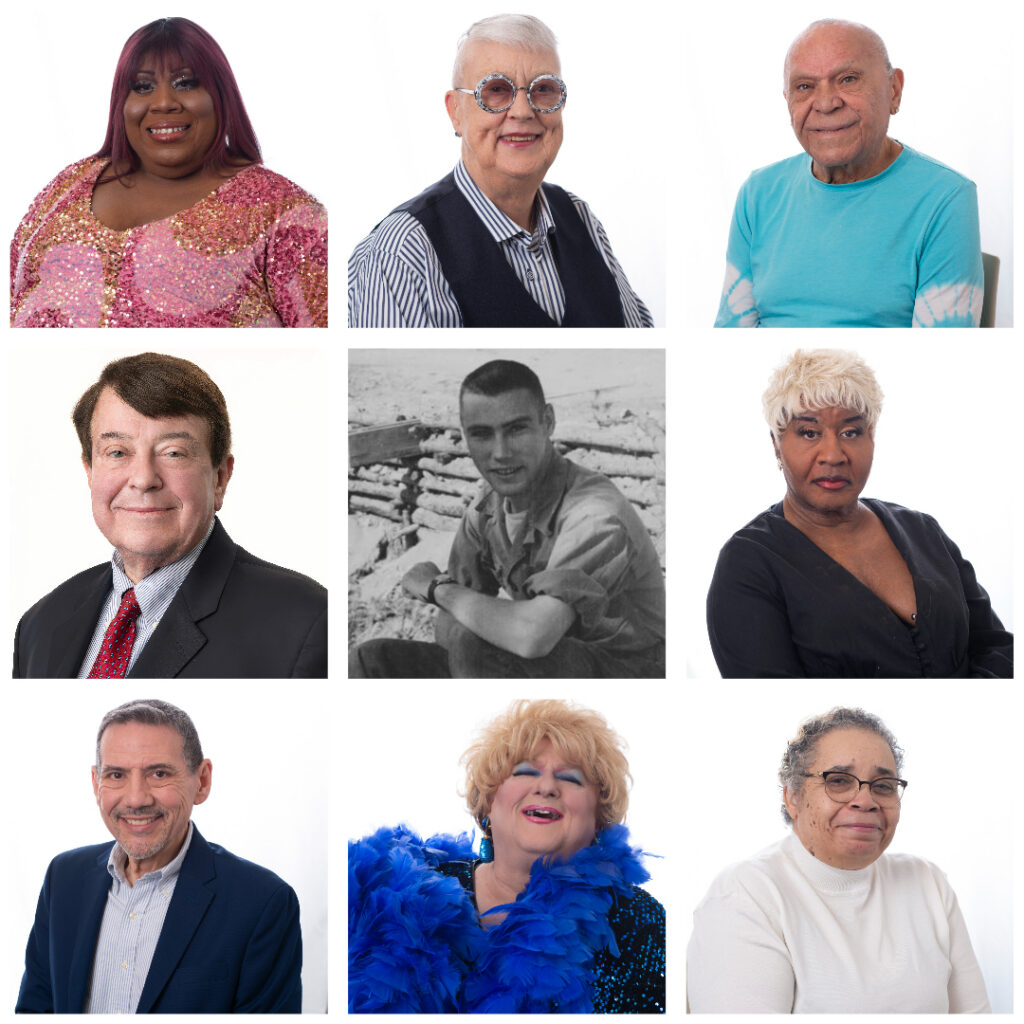
Beacons of Brew City includes the voices and stories of Casper Garcia, Dynasty Scott, Eloise McPike, Reverend Janis K. Doleschal, Israel Ramon, Shannon Dupree, Jack H. Smith and Karen Valentine.
No advance purchase or reservation is necessary for the showing. Tickets will be limited to 200 people and are only available at the door. The suggested donation is $10 per person to support the ongoing work of the Wisconsin LGBTQ History Project throughout the region.
If you can’t make it to the Oriental on June 16, The Beacons exhibit will rotate to various Milwaukee locations throughout the summer, including:
- Milwaukee City Hall Rotunda (June 1-10)
- ArtBar (June 11-14)
- Style Pop Cafe (June 15-21)
- Milwaukee County Courthouse Rotunda (June 22-July 3)
- Milwaukee Central Library (July 6-July 24)
- Milwaukee LGBT Community Center (July 27-31)
More info about the Beacons of Brew City history and traveling exhibit available here.