Power-Pop Polka: The Squeezettes
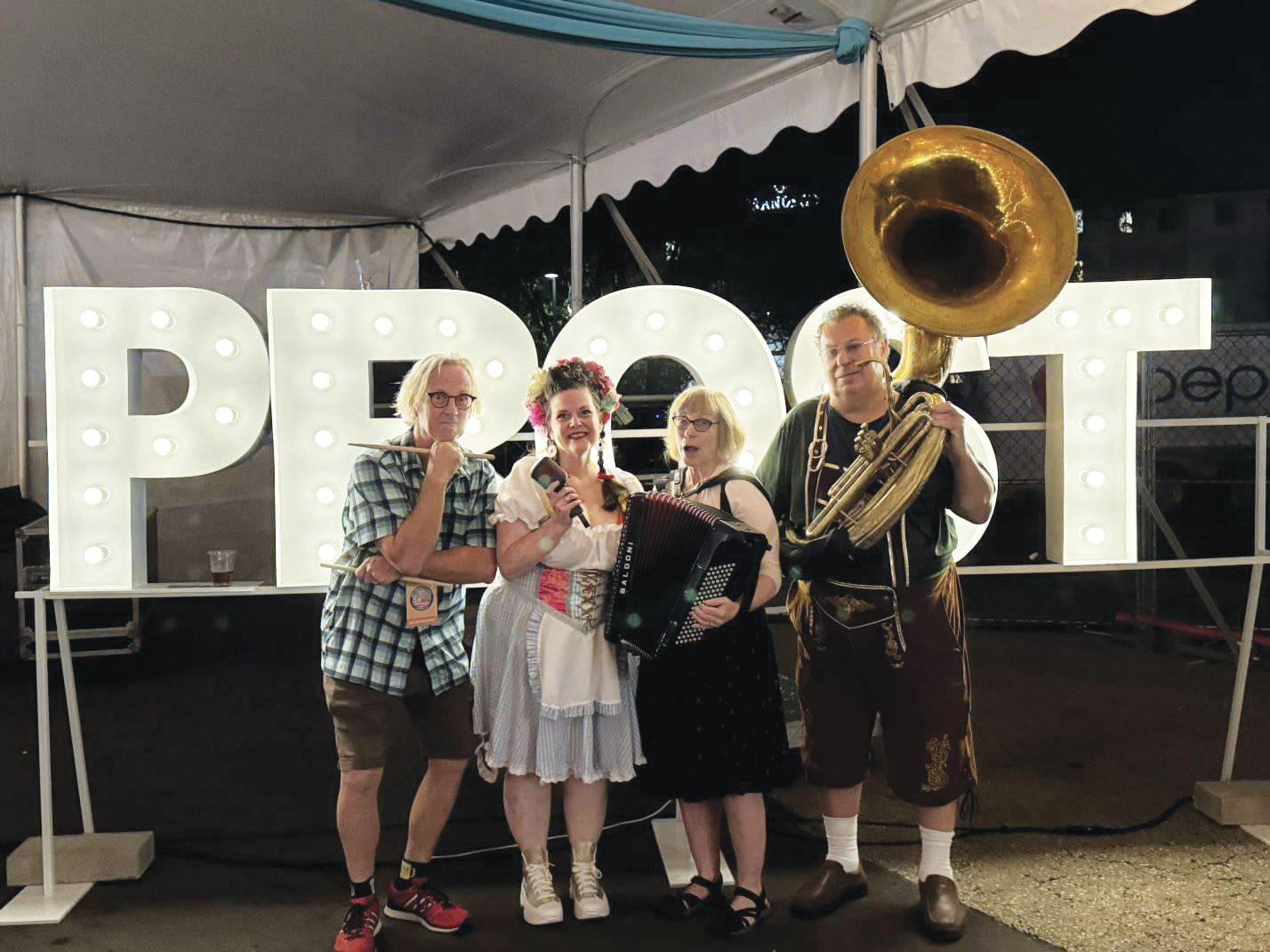
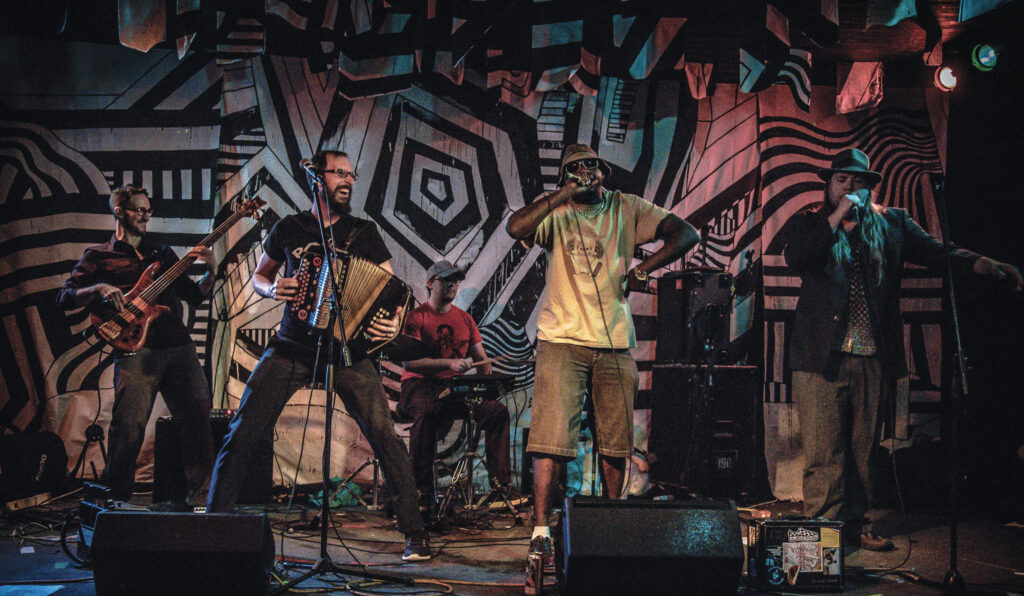
In their nearly 20 years, The Squeezettes have built a following – and racked up an impressive six Wisconsin Area Music Industry Awards – by mixing the happy sound of polka with familiar pop hits. Think “You Know I’m No Good” by Amy Winehouse or ’80s hits like “99 Luftballons.” Their showstopper is a rock-polka mashup of AC/DC’s “You Shook Me All Night Long,” complete with a shreddin’ accordion solo. The Milwaukee-based band features lead vocalist Chanel le Meaux, Linda Mueller on accordion and vocals, Mike Eells on drums and vocals, and Dave Cusma on tuba – “technically, a sousaphone, but that just confuses people,” le Meaux says. “To me, the genre means fun, laughter, lightness, joyfulness and connection. Polka truly does bring people together. I see it every time we play – friends are made, they sing and dance together, people forget their troubles and open their hearts.”
READ MORE FROM OUR POLKA FEATURE HERE.
Hip-Hop Polka: The November Criminals
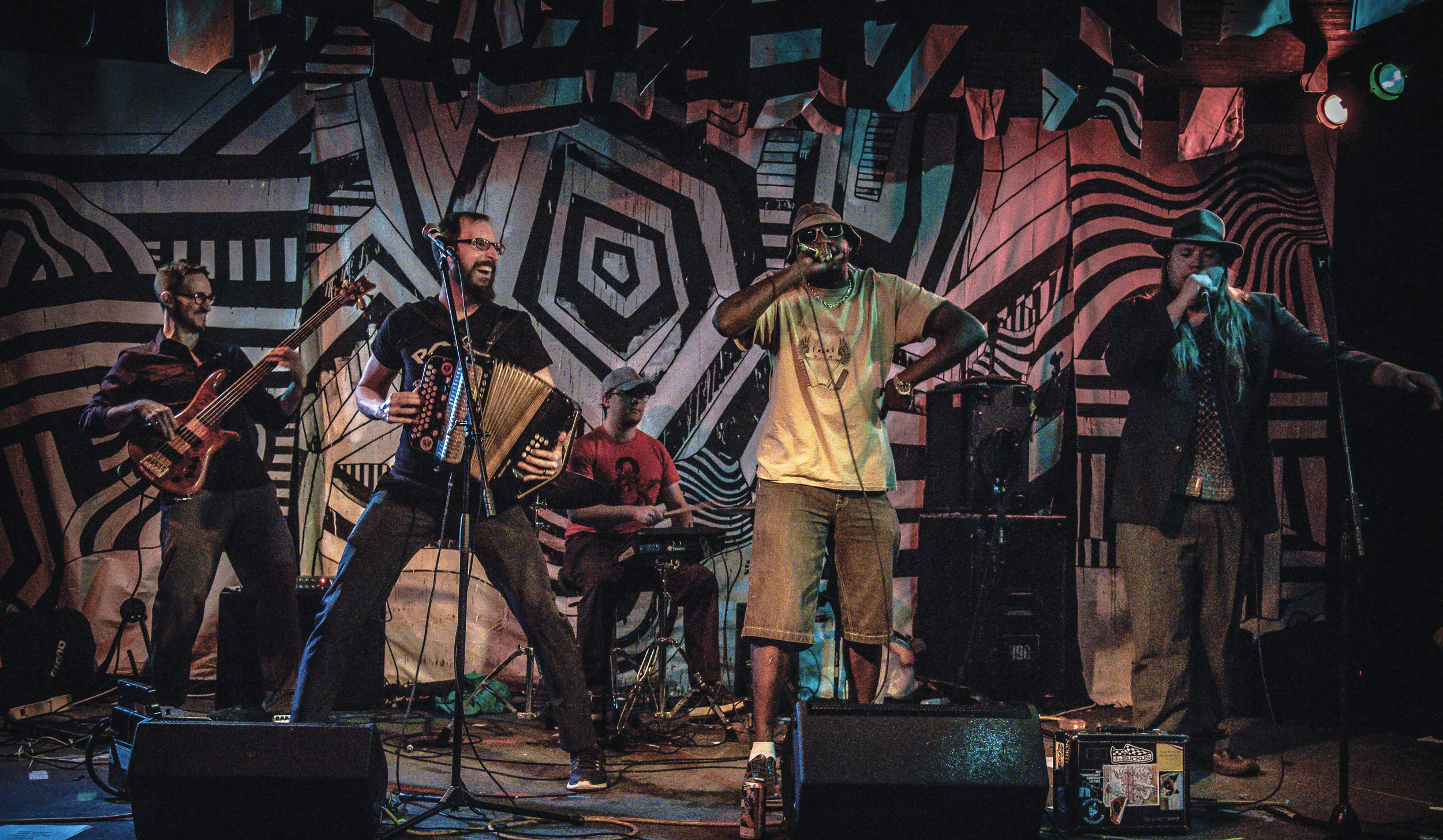
The story of Milwaukee’s “non-ironic polka hip-hop” band The November Criminals began in 2011 as a spontaneous performance at a Miramar Theatre open mic night. Evan Maruszewski brought in a button box accordion called a melodeon and played it during a cypher, a freestyle rap where performers – that night including Tahrim Tatum, aka SpadeOne – each get a turn on the mic to rap out a verse.
Afterward, Keith Gaustad, who was bartending that night and now goes by the stage name Brümeister, started a conversation with Maruszewski (aka NTSC) and Tatum that concluded with “we should do that for real some time,” Gaustad recalls. The trio released their first song as The November Criminals later that year: “Nachtwurst,” a “clarinet polka with a house beat under it,” as Gaustad describes it – a sound that still reflects their style.
Though they’ve entertained audiences for over 15 years, the group’s unique sound hasn’t clicked with everyone. Gaustad recalls that the band played a gig at Nomad World Pub, and a traditional polka player he recognized “wandered into our show and shook his head and said, ‘That’s not polka.’”
Since they weren’t being invited to polka fests, the band decided to create their own opportunity. Polka Riot, a festival to showcase “alternative polka,” began in 2017. Gaustad likens alternative polka to bands like The Pogues and Dropkick Murphys using elements of traditional Irish music mixed with punk sounds. The event, most recently held in September at Linneman’s, has featured a who’s who of alternative polka groups as well as “polka-adjacent” styles: Chicago’s The Polkaholics, who play polka on electric guitars, and Sgt. Sauerkraut’s Polka Band, which covers Beatles songs; Madison’s klezmer-rock band, Yid Vicious; and Forró Fo Sho, another Madison band that plays forró, a style Gaustad describes as “almost like a Brazilian polka.”
Tex-Mex Polka Fusion: Norteño
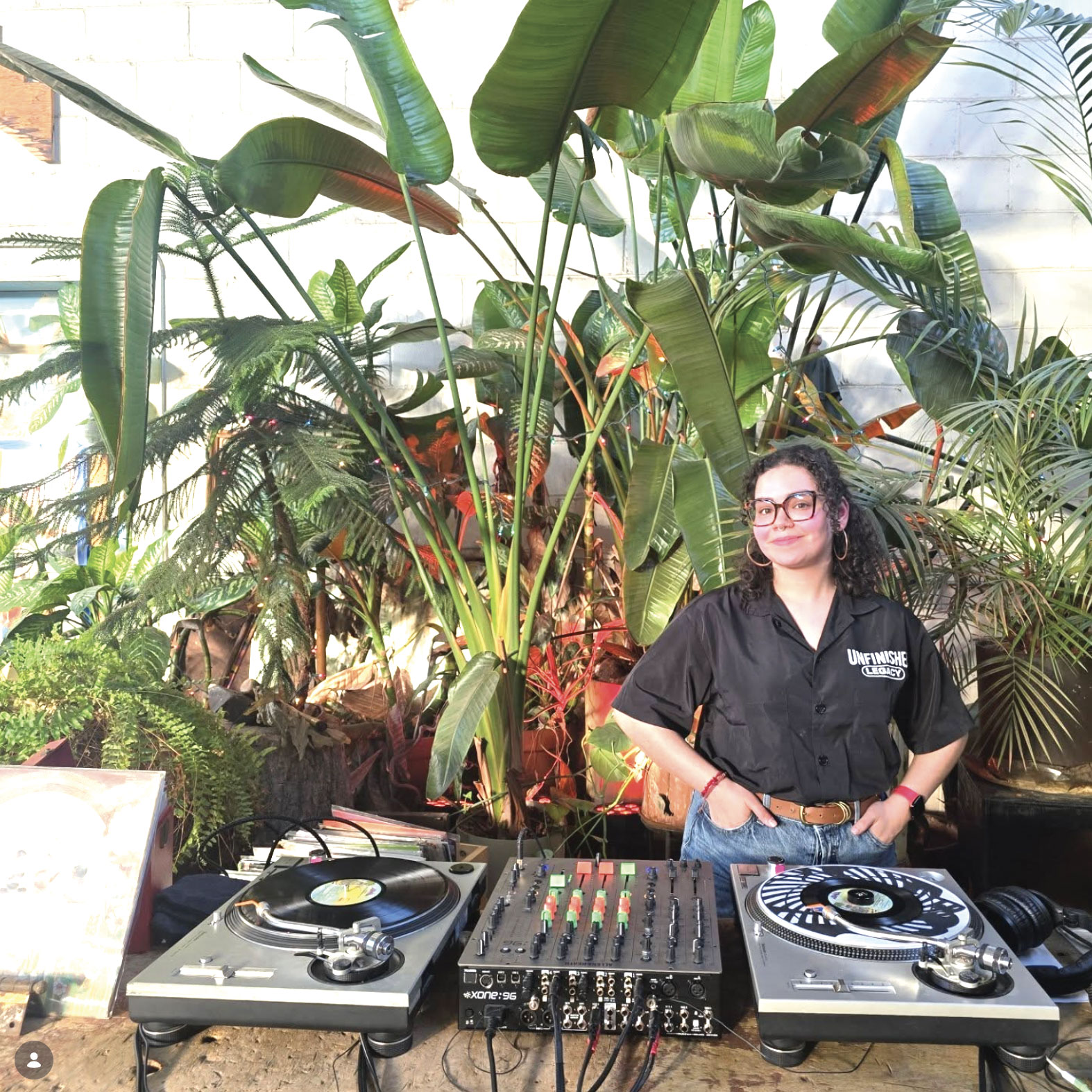
Paula Lovo and her husband, Hector Rojas, make up the DJ duo Ambulante y Clandestino, mixing Latin sounds they grew up with, including norteño (a word that refers to someone from northern Mexico), and electronic genres like house.
Norteño is a polka-adjacent subgenre of regional Mexican music that became popular in northern Mexico and southern Texas. Lovo explains that as immigrants from Germany, Bohemia and Poland brought polka and waltzes with them to Texas, their music blended with traditional Mexican styles. “It’s a fusion of immigrant communities,” explains Lovo, who also hosts Radio Milwaukee’s “La Alternativa” Latin music show Wednesday nights.
Norteño has a familiar polka rhythm, but the sound is a little different due to its more Mexican instrumentation (including guitar) and less use of woodwinds. “The accordions you’re going to hear in norteño have button keys instead of piano keys, and you’re going to hear the bajo sexto, which is a 12-string guitar.”
The style has developed a global following with the success of norteño bands like Los Tigres del Norte. “Norteño music can be seen in a lot of different ways here, in a backyard at a family party,” Lovo says. “Oftentimes Hector and I will be at a family restaurant on a Sunday morning, and a group of two or three guys are coming in with their instruments ready to play you a norteño song.”
Local bands include Afecto Norteño and Klan 414, the latter of which Lovo says has gotten “a lot of traction” playing sierreño, a more stripped-down, often accordionless twist on the style. Lovo notes that while norteño has appeal because “it’s easy to dance to,” the energetic music often has lyrics heavy on corridos, the storytelling of life through song. “It can be from narco-trafficking as a story element or someone living in the U.S. who is undocumented, or a day-to-day routine – stories that are relatable to both migrant and working-class communities,” Lovo says. “It’s not always lyrically upbeat, but it gravitates people to the dance floor.”