

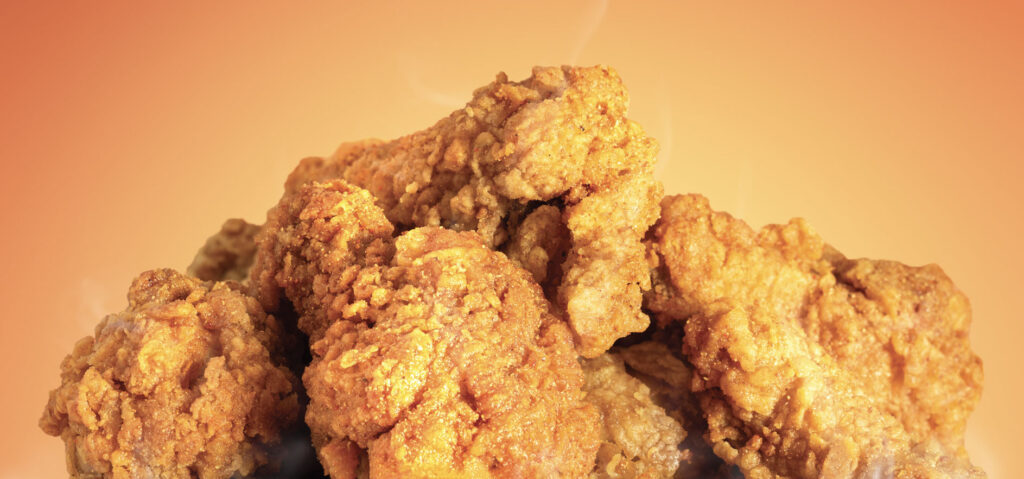
Broasted chicken, invented 72 years ago, is synonymous with Midwest supper clubs, but its story – what it is and why it’s become part of our dine-out DNA – isn’t quite as well known, unless you’re from, say, Beloit.
In 1953, an inventor named L.A.M. Phelan created an appliance that crossed a deep-fryer with a pressure cooker. It was ingenious – both the cooking method and the contraption, as it shortened the cooking time, kept the meat from drying out and produced that elemental crisp crust.

Celebrate this year’s winners of the Betty Awards!
Phelan, an experienced developer who also invented the Zest-O-Mat frozen custard freezer, trademarked the term for this celestial cooking method (Broasted – a term that combines broiled and roasted, despite being neither) and patented the equipment (Broaster), which was specifically engineered for commercial kitchens. A year later, Phelan’s Broaster Co. was established in Beloit, where it continues to operate today.
Phelan didn’t know it, but his timing was impeccable. By the ’50s and ’60s, the roadhouses and dance halls known to serve fried chicken and fish had been converted into a trending experience-based dining concept – the supper club. For owners of these establishments, the Broaster checked all the boxes, says Ron Faiola, whose 2011 documentary on Wisconsin supper clubs has led to four books on the subject. Chicken was an affordable alternative to steak on menus, and because the machines cooked faster than a traditional deep-fryer, they could sell greater quantities of it, he adds. The largest machine the company makes, the Broaster 2400, can cook 48 to 64 pieces of bone-in chicken in one cook cycle – as little as 11 minutes, per the model’s specs.
Plus, Broasting just results in “a moister, tastier product,” says Faiola, who devotes a section of his 2023 Wisconsin Supper Clubs – Second Edition to the invention. While conventional deep-frying is an open method, pressure-frying is sealed. The Broaster relies on hot oil and steam pressure created by the moisture inside the chicken to cook the meat. It cooks faster, but at a lower temperature, which keeps the juices locked in and the crust crisp. The other cool thing about those sealed-in juices is that they repel oil, so theoretically the chicken isn’t as greasy as when it’s conventionally fried.
Broaster Co. isn’t the only manufacturer of a commercial pressure fryer, but using its equipment means exclusive access to the name. According to a company spokesperson, to officially call their offering “Broasted Chicken” or use the word “Broaster,” a restaurant must use the certified appliance and the company’s marinades and coatings, follow the recipe, and sign a trademark agreement. In Milwaukee County, 61 restaurants and bars own Broasters, and 19 of them advertise “Broaster Chicken,” per the company.
One of the newest locations, The Broasted Bird, serves very casual carryout from inside a BP station in Cudahy. I’ve also recently discovered Bobby’s Bar in Brookfield, which has Broaster chicken on Thursdays, Saturdays and for Sunday brunch. Serving just on certain days makes it feel special, and it is.
And if you’re thinking what I’m thinking: Why isn’t there a cook-at-home appliance? Broaster Co. gets that question a lot. It’s just not feasible, they say – Broasters require a hood system, plus power and oil requirements that go beyond the home cook’s budget. And really, that’s OK. Having to hit up a restaurant, bar or, yes, gas station keeps this chicken, from its quizzically named cooker, a welcome enigma.