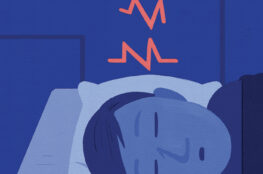


Ketamine as a catalyst for mental health treatment? It’s not as out there as you might think.
“It’s not a mystical experience that cures; the healing starts with people’s deep connections to their emotions and accepting what is,” says Justin Lubin, founder and executive director of Wauwatosa-based Perspective Wellness, Wisconsin’s first nonprofit clinic to administer the drug to patients. “My challenge is less debunking the skepticism or stigma about psychedelics and more managing people’s expectations. There is no silver bullet for good health.”
Ketamine is a pharmaceutical that has been used as an anesthetic in operating rooms since the ’70s. It’s also caught on as a recreational drug for its psychedelic properties that temporarily and profoundly alter mood, thoughts and perceptions – similar to plant-based psychedelics like ayahuasca, peyote or psilocybin mushrooms that have been used for decades in religious ceremonies or for recreational use.

Celebrate this year’s winners of the Betty Awards!
A widening body of research shows that psychedelics promote “neuroplasticity” by enhancing perceptions in the mind, which allows the brain to function differently through the creation of new neural pathways. Ketamine is the only one of these substances legally approved to be administered by a medical professional in Wisconsin. It’s often used by patients seeking relief from depression, anxiety, trauma or addiction – paired with follow-up therapy to support the physical changes in the brain.
Benefits can be noticed by patients as soon as the next day, while traditional antidepressants can take several weeks to produce results, if any.
Both Perspective Wellness and Edelica Health, which became Wisconsin’s first dedicated ketamine clinic in 2017, conduct evaluations before and after any treatment to ensure it’s appropriate and safe for each patient. Lubin, a former attorney before founding Perspective, also acts as a psychedelic facilitator, having guided patients through hundreds of journeys.
“During a journey, people have told us that music sounds different and more full,” says Dr. Kevin Kane of Edelica Health. “They may have visual changes, feel lighter and have a different perception of time. They may also feel that the mind is somehow separated from the physical body.”
Sessions are typically three hours, and patients often experience transformational insights. The drug may be administered as a series of pills taken one at a time, or via IV.
Edelica Health reports a success rate of about 70% for patients finding relief from deep depression. Most patients who seek out ketamine therapy at Edelica have tried four or more different antidepressants and still can’t find relief, Kane says. “Often we hear that people feel like they have been given their life back,” he says. “It’s very gratifying to be a part of it.”
Lubin advises patients to try talk therapy before they do psychedelics. “If there’s nothing to catalyze, you won’t get much out of it,” he says. He borrows an example from author Michael Pollan, who wrote the book How to Change Your Mind about the medical use of psychedelics: “It’s like dumping two feet of snow in your brain. It gives you the opportunity to lay new tracks.” Because of this, the week after the journey is extremely important, Lubin says, as patients make meaningful lifestyle changes based on their experience.
“Often we hear that people feel like they have been given their life back. It’s very gratifying to be a part of it.”
– Dr. Kevin Kane, Edelica Health
Lubin still uses his legal background to advocate for legislation that decriminalizes psychedelics and allows health insurance companies to cover it. The Milwaukee Psychedelic Society also works on advocacy, awareness and outreach about the use of psychedelics for therapeutic purposes. The volunteer group meets monthly at the Pink House in Riverwest and acts as a support group for people to share stories and get information. “We see people from all backgrounds and walks of life,” says leader Eddie Sturkey. He used psychedelics to treat anxiety and depression and has heard hundreds of stories from other people who have overcome trauma and addiction.
Many major universities have dedicated research institutes for entheogens – psychoactive substances that induce alterations in consciousness – including UW-Madison’s Transdisciplinary Center for Research in Psychoactive Substances.
Because psychedelics are also used for spiritual development in religious contexts, Sturkey says he feels strongly that soon – perhaps within the next year – psychoactive plants will be legal in Milwaukee, even before cannabis is fully legalized.
And with his clinic and his advocacy efforts, Lubin says he hopes he can keep improving access so that Milwaukee becomes the “safe psychedelic capital of the U.S.”