
At a 1997 Green Bay Packers reunion, 8-year-old Katherine Biskupic watched her older brother make his way around the room, collecting autographs from the men who had played for Vince Lombardi.
Legends like Willie Davis, Jerry Kramer, and Bart Starr. Katherine, whose grandfather Ron Kostelnik played defensive tackle for the Packers and is a member of the team’s Hall of Fame, decided to collect some autographs of her own.
She approached Cherry Starr, Ruth Pitts, Barbara Gregg and the other elegant women she saw around the room. In her 8-year-old mind, they must’ve been famous, too. When she was finished, she showed her mother her hat.
“Look, Mom, I got them all.”
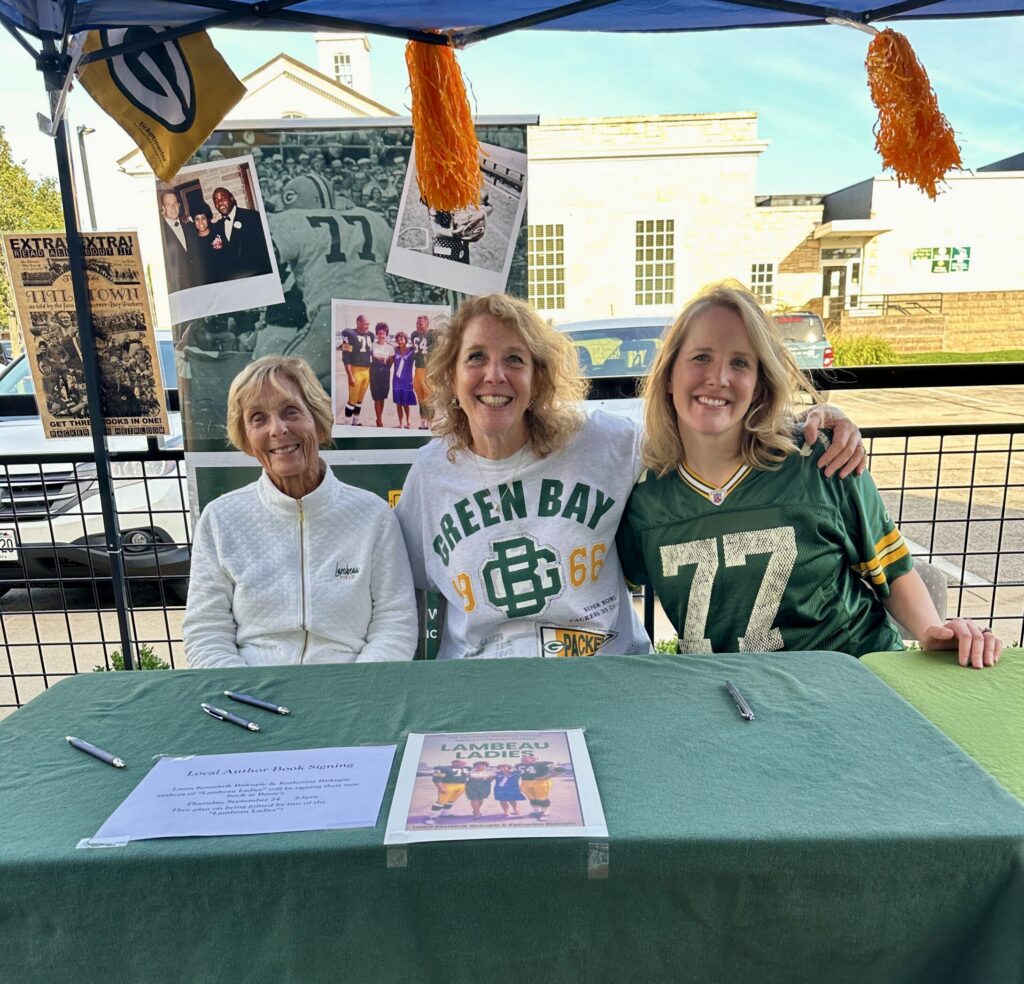
Years later, Katherine and her mother, Laura Kostelnik Biskupic, would set out to tell the stories of the women whose names were on that hat. Their book, Lambeau Ladies: The Boundary-Breaking Women Behind Lombardi’s Packers, looks at the wives, mothers, and friends who were the backbone of one of football’s most celebrated dynasties.

Gift An Issue For $1 Today!
Laura grew up knowing these women simply as her mom’s friends. They shared birthdays and Christenings, and other major moments. Olive Jordan, wife of Packers defensive tackle Henry Jordan, even helped get the groomsmen down the aisle at Laura’s wedding.
As she got older, Laura began to appreciate how young the women had been when they arrived in Green Bay, and how much they had taken on. Their husband’s jobs had led them there, but they were the ones responsible for making everything outside Lambeau work.
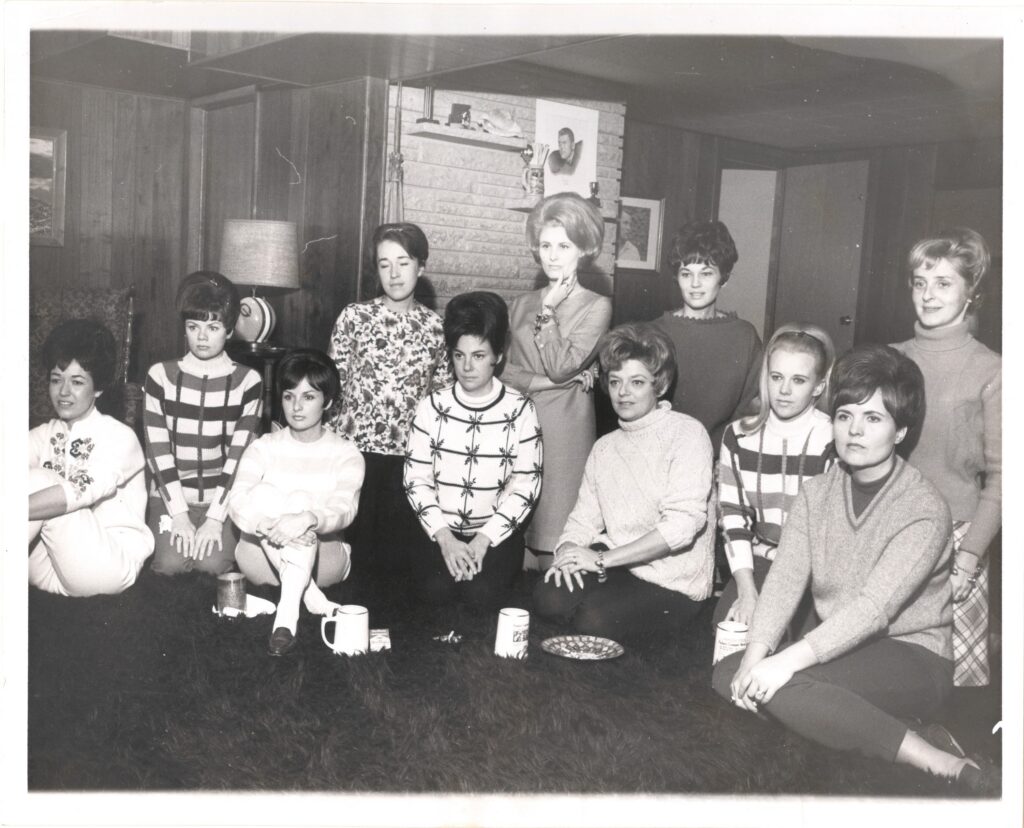
Vince Lombardi’s wife, Marie, understood that being a coach’s wife came with its own set of responsibilities. When Forrest Gregg became head coach of the Toronto Argonauts in 1979, Marie flew north to help his wife, Barbara, host a luncheon for the players’ wives. She stayed with the Greggs for three or four days and even made the punch. Apparently, the Lombardi coaching tree had a Canadian branch, too.
The women found friendship and support while their husbands dealt with the uncertainty of professional football. Players could be injured, traded or cut. Coupled with no guarantee of how long they’d be in Green Bay, some families returned to their hometowns after the season instead of staying year-round. That made finding a place to live difficult, since few landlords wanted tenants for only part of the year. For Black players and their families, housing discrimination created another obstacle.
One person who helped was Flo Bettis, manager of the Village Apartments in Green Bay. After learning that Black players were having trouble finding housing, Bettis made it known that she would rent to them.
Laura learned more about Bettis during a drive through Green Bay with her mother, Ruth Pitts, and Vicky Aldridge Nelson. The women had some time to spare during a 2017 Packers reunion, so Laura suggested a trip through their old neighborhood.
When they stopped at the Village Apartments, Pitts and Aldridge Nelson got out for a picture. Then they began sharing stories about their time there. The stories, Laura told me, were “full of strength and pathos and humor.” She came away thinking more people needed to hear them.
There was plenty of football in those stories, too. The Greggs watched game film together in their Green Bay apartment. Laura describes Barbara as “like an assistant coach” in her efforts supporting Forrest.
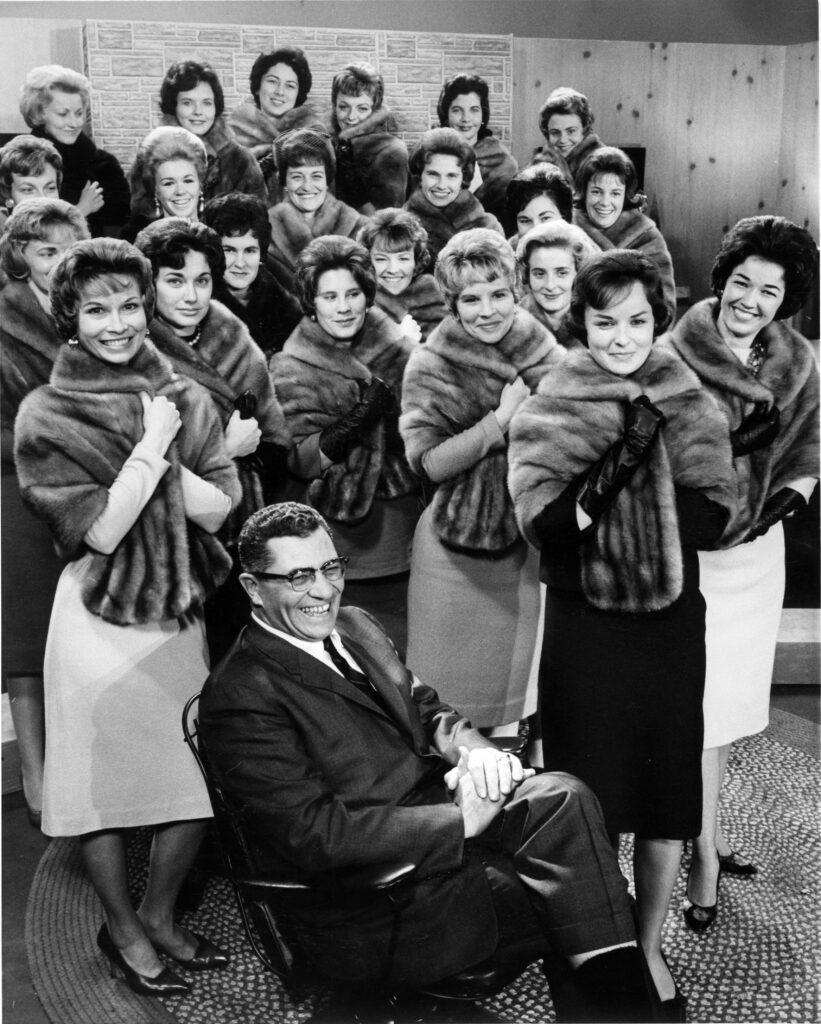
Other women nursed injuries, managed households, and sent their husbands to practice with lunches packed at home. And unlike today, there were no Instagram posts documenting the meal prep. Which was probably for the best. As Laura recalled it, some of those lunches involved Spam sandwiches.
Today, fans can see another side of players’ families on social media. Ronika Stone Love, wife of Packers quarterback Jordan Love and a professional volleyball player, has shared game-day photos and family moments with her own audience. The platforms and circumstances have changed, and today’s women can tell their stories directly.
But for many of the Lombardi-era women, preserving those stories required someone to ask.
The spirit of community they built is still visible in Green Bay today. A few weeks ago the modern Ladies of Lambeau group – women connected to the Packers organization – gathered to assemble 200 “Welcome Baby Kits” for families facing financial hardship. The organization was established decades after Lombardi’s Packers, but its work reflects a familiar instinct: see what’s needed and find a way to help.
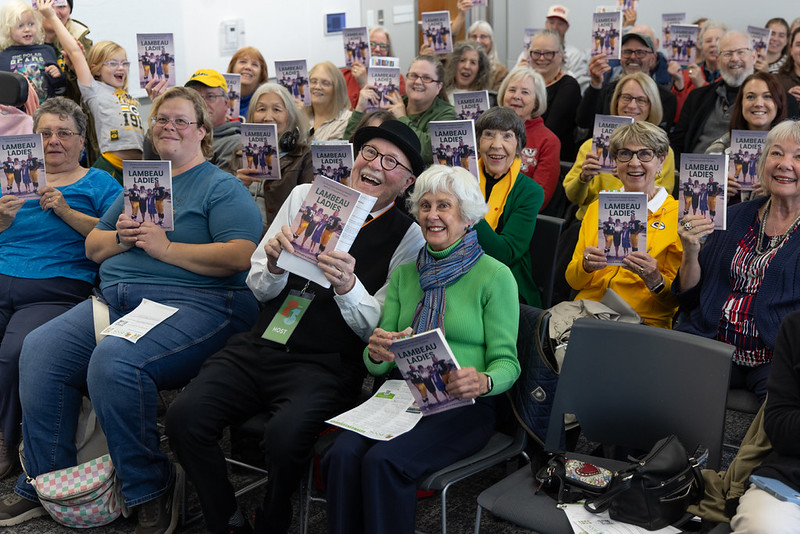
Katherine and Laura’s book gives readers a chance to see the women who did that work during the Packers’ glory years, and better understand why an 8-year-old girl thought their autographs belonged on her hat.
Laura Kostelnik Biskupic and Katherine Biskupic will appear at Brookfield Public Library (1900 N. Calhoun Rd.) for a meet and greet on Monday, Nov. 16, from 7-8 p.m.