

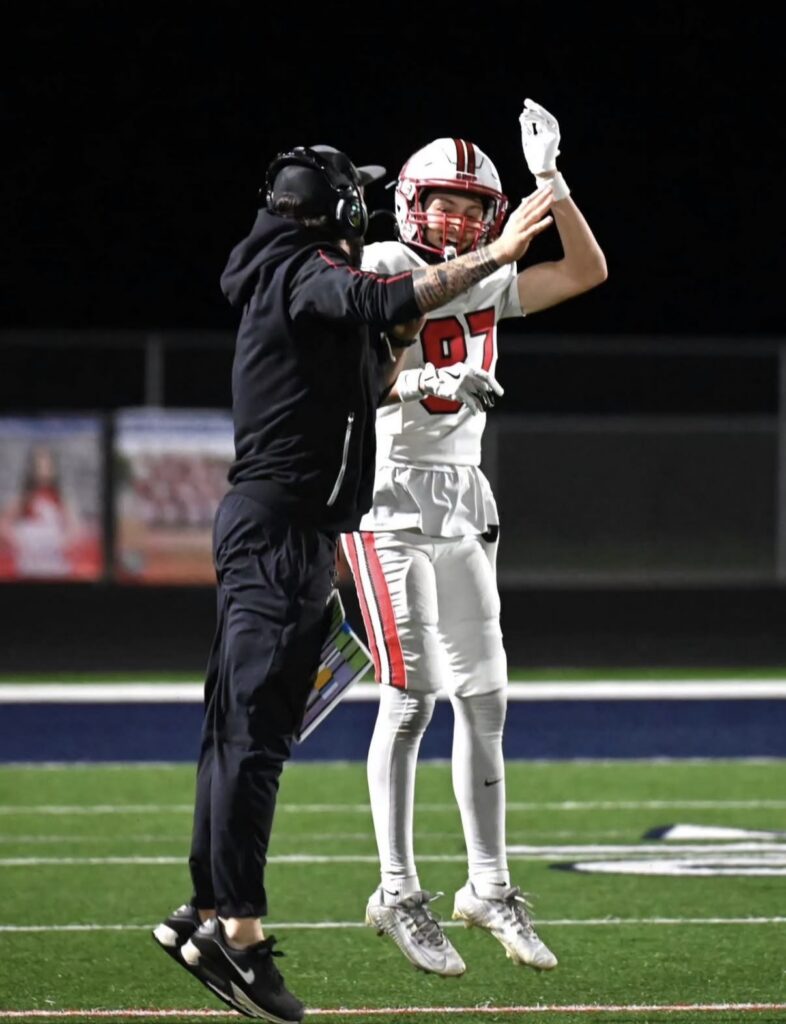
Football coaches are known to be Type A, taskmaster-esque type people. Which is how I planned to approach this article in the first place. Create a 7-day to-do list, execute the daily plan, and then write the piece. Nice and easy; except for the one part I forgot – the plan demanded the participation of two other football coaches.
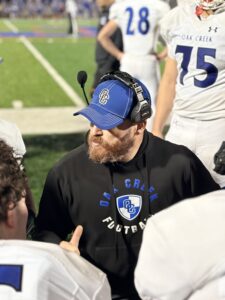
The head coach of Hamilton High School, Justin Gumm and the offensive coordinator of Oak Creek High School Tony Shiffman, both graciously agreed to a series of interviews, but that meant two more calendars to consider.
The week was supposed to begin with a scheduled 9 a.m. call on Saturday morning with Gumm to talk about the previous night’s victory over Germantown. However, my call went unanswered. Two minutes later a text came in: “Sorry, at the doctor. Didn’t know wife scheduled vaccinations for the kids.”

Celebrate this year’s winners of the Betty Awards!
The Gumms have three kids, and keeping track of the family calendar falls to his wife, a pediatric liver transplant doctor. As a fellow coach, I understand. We all have very important things to do outside of football.

Saturday is generally considered the “day off” for high school football coaches. There are still several hours of film to watch, of course. You just have to find room for them around the family calendar you may or may not remember hearing about.
Days off – or whatever constitutes that – were new to me this season. As a college coach for 22 years, your time off during the season consisted of the time between the end of the game Saturday and when you woke up Sunday morning. That being said, the life of a high school coach is considerably harder. That’s because all of them have other jobs, jobs that actually pay a living wage and offer benefits. For some, that is teaching full-time. For considerably more, that means a career outside of football.
Like me, Gumm and Shiffman spent time coaching in college previously. We were accustomed to football being the workday, not something we had to squeeze in around other work. Tony put it succinctly, “You’re trying to get all the football stuff that you would get done in an eight-hour day, now done in two hours.”
Whether at five in the morning or nine o’clock at night – the film needs to be watched, the weekly plan needs to be tweaked, and the depth charts need adjusting. What used to be accomplished at 9am with a fresh cup of coffee now gets done in a darkened home – as the rest of the family sleeps soundly in their beds.
And then there’s the kids. Yes, kids. In college we always referred to the players as kids, even though they could, if called upon, be sent to war. But high school kids are indeed just that – children, and I learned that early on. For weeks and weeks one of my players’ shoes kept coming untied. Not a practice would go by without me having to utter the words, “Johnny, tie your shoes.” (names have been changed to protect the innocent)
One day this happened over a break in practice. As I stood next to Johnny watching him clumsily tie his shoes, I noticed he didn’t double knot them. When I asked why he hadn’t, he just stared back at me. In an instant his look communicated, “double-what?”
“Do you not know how to do that?” I asked. His sheepish expression gave me the answer. As I bent down to one knee and verbalized the words, “so you see these two things, they’re the bunny ears…” I couldn’t help but chuckle out loud.
As it turns out, shoelace instruction was just one part of the job. Coaches in high school also wash, dry and fold the laundry, fill and empty the water bottles, and spend an inordinate amount of time setting things up just to break them down a few hours later. In college, I took for granted that all of these things were handled by someone else.
“We have a ton of coaches who are low ego guys that don’t really care about the responsibility and just want to, whatever the responsibility is, kick ass at it,” Gumm said.
For most seniors, the end of their football season marks the last time they will ever play the sport. That’s a reality many non-players don’t fully understand. High school basketball players can find reasonable facsimiles of the game for the rest of their lives. Baseball and softball players can move on to the beer leagues, where a declining skill set can be offset by a dependable cooler. But, for most high school football players, that’s it.
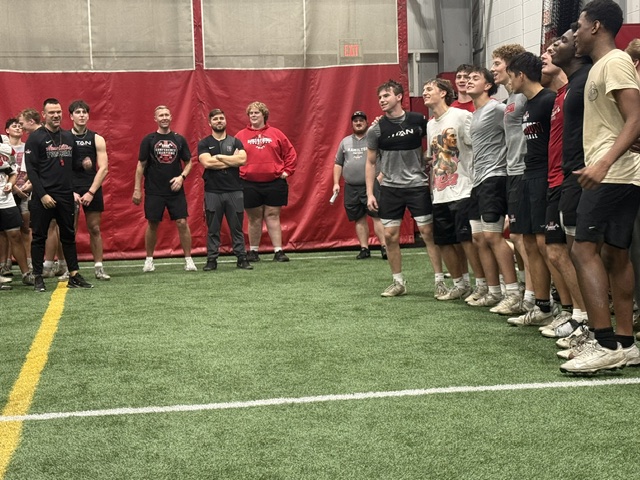
Coaching is a way to stay connected to something that made you who you are. It also puts you on the other side of an arrangement you probably didn’t think much about at seventeen. Back then, someone else watched the film. Someone else washed the uniforms. And someone else stayed a little longer to help you figure something out, even when he had a family waiting for him at home.
Now it’s your turn. You teach the blocking assignments and explain, again, where exactly the five points of pressure are. Along the way, other things come up. Things that weren’t on the practice plan, and you’ll never know which of those lessons might stick.
But maybe twenty years from now, Johnny will take a knee beside a kid and say, “See these two things? They’re called bunny ears.”