
They started with furniture. When Alonzo D. Seaman, the patriarch of the Seaman clan, moved from New York City to Milwaukee, he was already a successful cabinetmaker, but the 30-year-old was also an entrepreneur who couldn’t resist the urge to start fresh on the frontier. Arriving in 1846, the year Milwaukee became a city, he opened a small shop on Water Street that was soon growing as fast as his new hometown.
Seaman’s sons and grandsons took the family furniture business to new heights in emerging technologies. In 1909, William Seaman, Alonzo’s firstborn son, entered the embryonic automobile field, applying familiar skills to the manufacture of car bodies. Most early bodies were basically mobile pieces of furniture – painstakingly crafted wooden skeletons covered with wooden panels. Seaman was soon filling orders from Cadillac, Packard and Hudson, pushing the company’s sales from $41,000 in 1908 to $1.6 million in 1919.

Celebrate this year’s winners of the Betty Awards!
Seaman’s most important customer by far was Charles Nash, the founder of what would become American Motors. Every day a fleet of flatbed trucks carried new bodies from Seaman’s Walker’s Point plant to the flagship Nash factory in Kenosha.
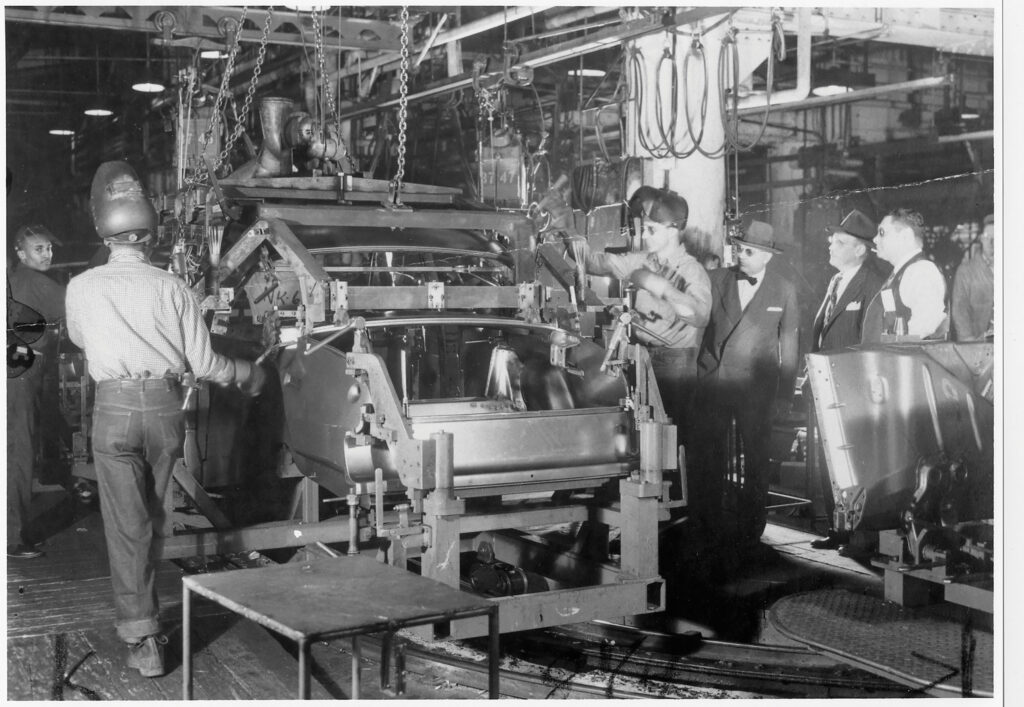
The family’s biggest customer became its only customer in 1919, when Charles Nash and the Seamans jointly formed the Seaman Body Corporation. Pressed steel was rapidly replacing wood in body construction, and in 1920 the partners built a new plant to house the new technology. Located on Richards Street near Capitol Drive, the five-story landmark ultimately covered 1 million square feet and housed 6,500 workers and a battery of enormous presses.
The factory stamped out bodies until 1988, when it fell victim to seismic shifts in the carmaking business. Today, a Walmart occupies the site, virtually erasing memories of a time when “Built by Seaman” was a watchword of quality in America’s automotive industry.