
On Friday, June 12, the Milwaukee County Historical Society is unveiling its brand new exhibition, “We The People: Milwaukee Stories of Immigration, Citizenship and Community.”
Inspired by the 250th anniversary of the United States, the new display aims to showcase and embrace the city’s long history of immigration and diversity via artifacts, educational resources, oral histories and more. It will also include an interactive timeline showcasing the city’s immigration history alongside national immigration laws and policies. The exhibition is planned to remain at MCHS for three years.
“Milwaukee’s story can’t be told without immigration,” said Ben Barbera, the MCHS executive director in a news release. “For generations, newcomers have shaped our industries, neighborhoods, businesses and cultural traditions. This exhibition highlights how those stories continue to influence the city we know today.”
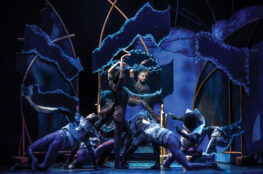
In conjunction with the exhibition, there will also be a one-time performance of a solo memoir play, See Jane Run, An Indo Story on June 18. The play is written and performed by Dr. Jane Vogel Mantiri, who will share her tumultuous journey to America and how her personal identity has transformed over the years.
We spoke with Olivia Hoff, MCHS’ community programs manager, about the exhibition:
This Q&A has been edited for length and clarity.

Nominate Somebody Now!
How does this new exhibit connect to the United States’ 250th anniversary?
It was definitely inspired by our nation’s upcoming 250th. We were thinking about how to honor this big anniversary of our country’s independence, but make it a Milwaukee story. We were discussing what really makes Milwaukee unique, but also connects to that national story. We found that immigration is such a binding story for all of us in the United States, because it’s how our country came to be and how it is today.
That’s not to negate that there were people here well before immigration, and when the colonies started. History is not black and white; it’s very gray. This exhibit, “We The People,” is going to be talking about how there were Indigenous folks here, nations including the Menominee, Potawatomi and Ho-Chunk. … They were forcibly removed.
When talking about the colonization of this country and this land, moving into the different waves of immigration to Milwaukee, this exhibit documents the story through an X-axis and a Y-axis [on an interactive timeline]. So on the X-axis, we are talking about different waves, capturing the grandiose timeline of Milwaukee’s existence, breaking it down based on a large number of ethnic groups coming in. Then on the Y-axis, we’re looking at the immigration policies happening nationally to give that context to understand the story of the immigrants’ experience, what they’re coming up against in terms of the laws and regulations.
Could you share some of those historic immigration trends?
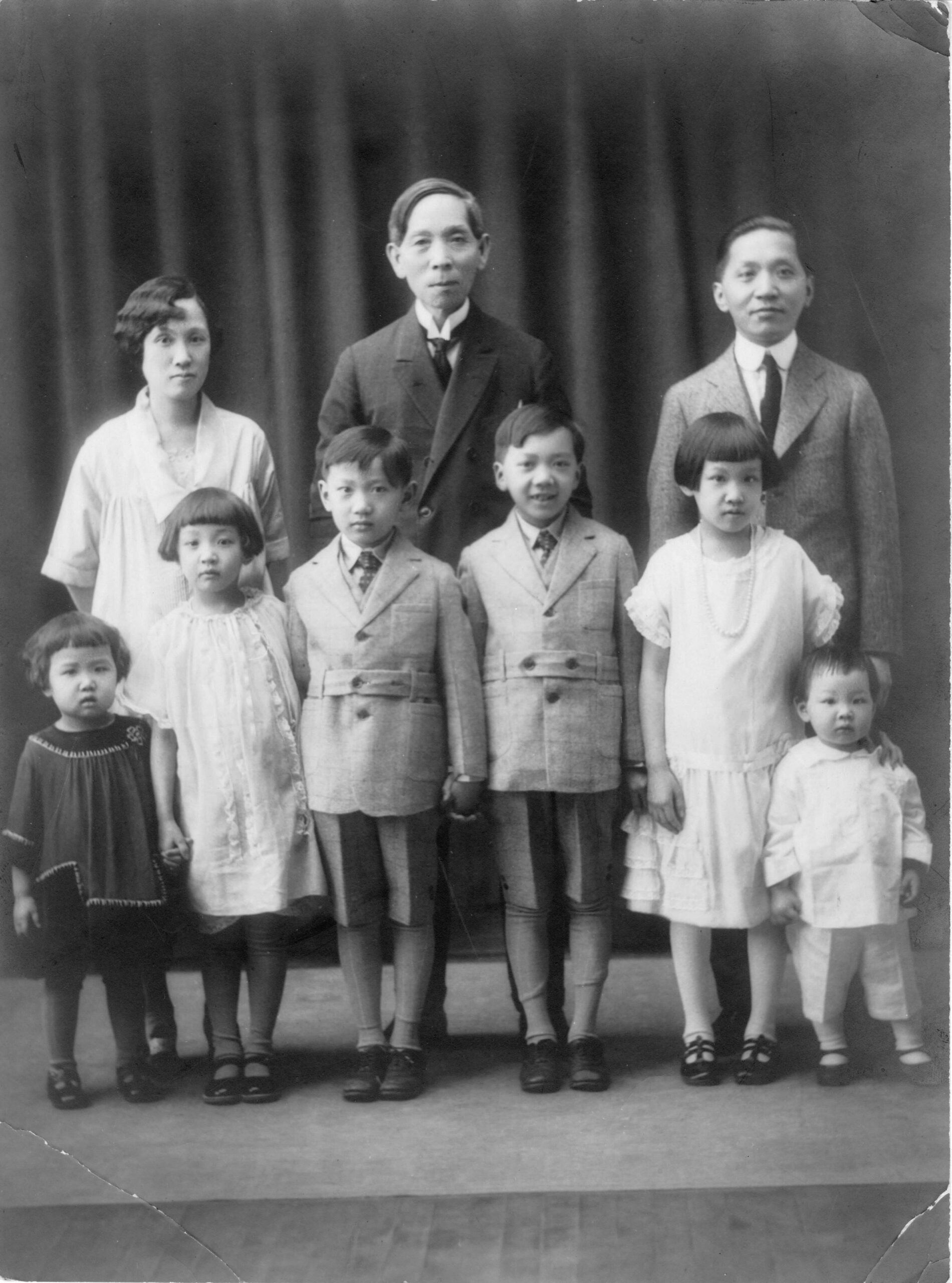
There’s such a rich history of ethnic groups that have made their impact on Milwaukee. Germans, Polish, Irish – all came in those waves. Some groups that made a huge impact that aren’t as well known are also featured, like the Chinese population. They came at the turn of the century, the late 1880s. Seeing their impact in the community is so powerful. At one point, we had over 30 Chinese hand laundries in different areas of the neighborhood. One of the former locations was just honored as a historic site.
The Latino population wasn’t just in modern history. We had Los Primeros, a Latino, mainly Mexican population of men who came up to Milwaukee to serve as the workforce for Eastern Global Tannery and other industries in the area. They were here in the early 1900s and 1920s.
We also talk about the Great Migration of African Americans and Black folks coming up to the North to escape Jim Crow in the South. They were brought to this country under enslavement, so when they were freed and wanted to seek greater freedom, opportunity, education, employment, etc., Black Americans moved north. We can’t do this exhibit without talking about the Black population in Milwaukee as well, because they had such a profound movement to this area that doesn’t necessarily fit into that immigrant framework, but is so vital and related.
The Hmong population had a huge resettlement after the Vietnam War as well. Laotian folks coming to the United States under an immigration policy, welcoming them because of their support of the United States military during the Secret War. We look at the modern refugees coming from Burma, the Rohingya population. Milwaukee has the largest Rohingya population of refugees. That is something not a lot of people know about.
What sort of pieces will be on display?
We have a tangential project called the Immigrant Experience in Milwaukee County Oral History Project, where we’ve collected 34 oral histories from diverse groups of immigrants, first- and second-generation, to talk about their experience. We edited them down into two to three-minute clips. They are embedded in different interactive activities, including a dining table. The visitor gets to hear the voice of that narrator talk about their experience, as if you’re sitting at the dinner table with them, having a conversation.
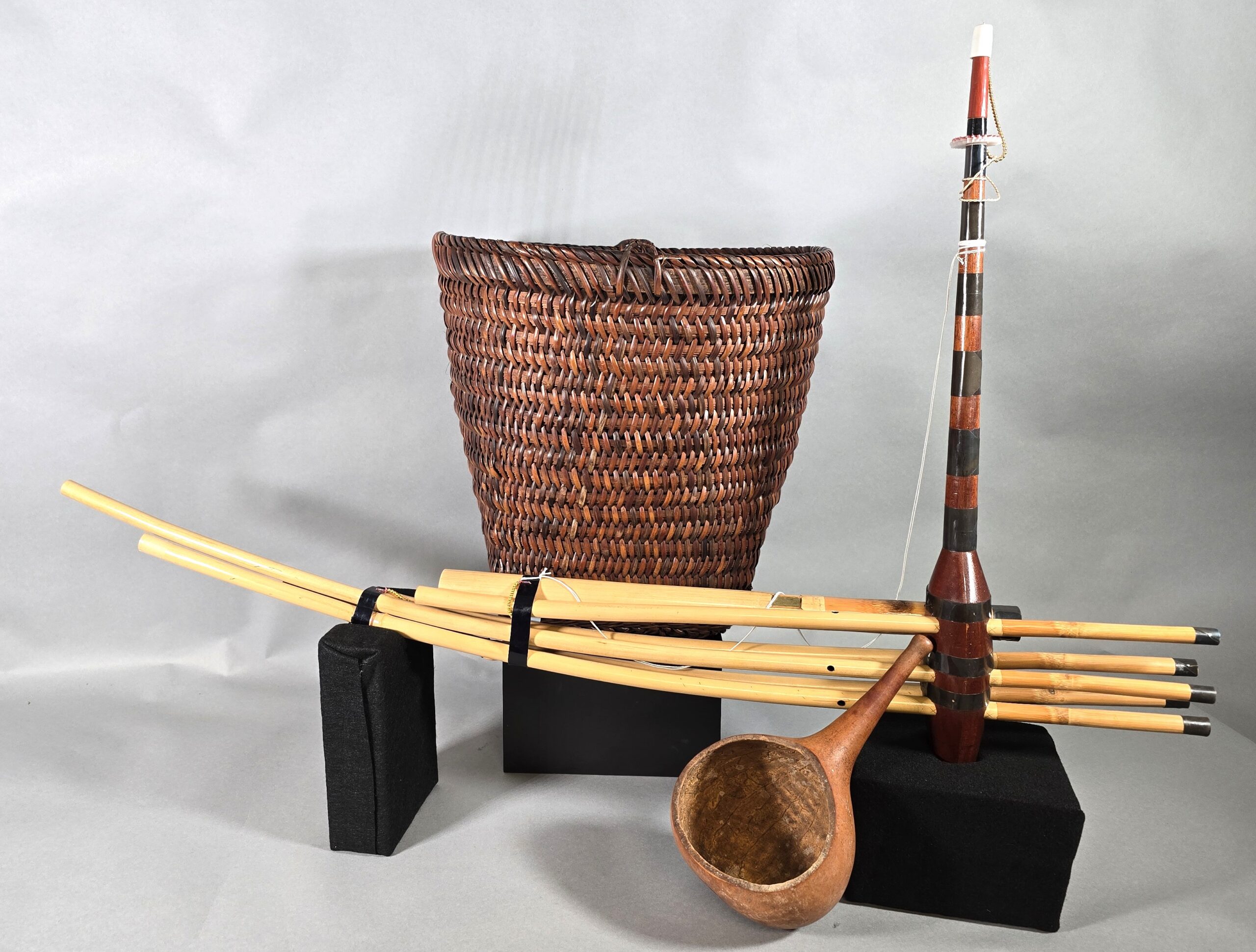
We also have a really beautiful wealth of information in our archives. We have a plethora of naturalization certificates and declarations of intent. Although it looks like a simple piece of paper, it can tell you who this person was, where they were from, who their family was, who their friends were.
How does Dr. Jane Vogel Mantiri’s See Jane Run, An Indo Story memoir play correlate to the exhibition’s overarching narrative?
We’re thrilled that we’re able to host her performance that captures that story in this artistic form. Jane is one of our oral history narrators who’s featured in the exhibit. She is originally from Indonesia. [When she was] six years old, her family was uprooted from Indonesia to the Netherlands and then to the United States. Her story really encapsulates the immigrant experience. Not just due to her being a young child forced out of where she was born, but also because of the complex stories of colonialism and international affairs involved. She is grappling with her identity when she is an American, because she grew up here, but people think she’s different. [She explores] why she’s so proud to be Indonesian and Dutch, why she’s so proud to be an immigrant and a naturalized citizen.
It’s so vital to stay in the know of who our neighbors are in our community, remembering that our history is long, but those stories, those push and pull factors, remain consistent. It may be a different group of people, a different time period, but those people are seeking freedom and opportunity, and sometimes fleeing danger. That’s what we’re trying to capture in this exhibit.