

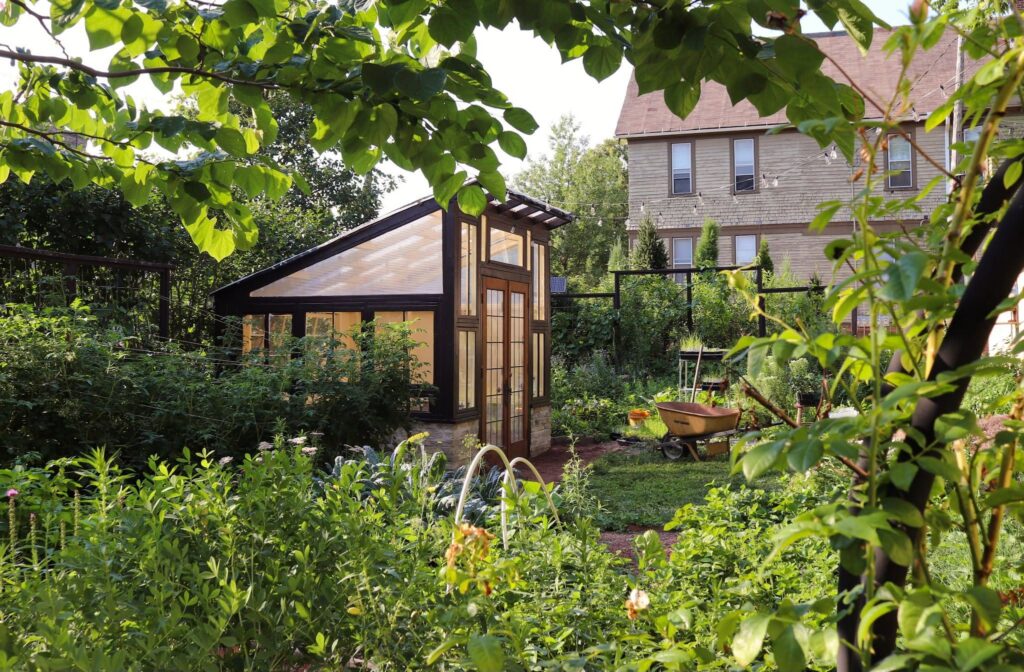
Pretty Wild Nursery is the first native plant nursery in the Milwaukee area solely dedicated to raising and rearing native flora without chemicals. It hopes to restore straight species and keystone species in the local ecosystem to revitalize our local ecology.
Despite only being open for a month, the business has already been embraced by the surrounding community. Sitting down to talk about the passion and science behind their environmentally conscious pursuits, Dallas Maloney, co-founder of Pretty Wild Nursery, breaks down the importance of taking care of Mother Nature in such tumultuous times.
Where did the original idea behind Pretty Wild Nursery come from?
We had gotten a few garden design jobs in Riverwest, but we had a really hard time finding plants that we wanted to use, because we would have to ship them here. Transportation is difficult for living things, especially in the middle of summer.
Availability was also really hard. It’s difficult to find straight species, not cultivars, even at bigger nurseries. But, we wanted to have a place in that city that could house rare and native plants.
What is it like being the first native plant nursery in Milwaukee?
It’s not as easy as conventional gardening, because when you go on a walk in your neighborhood, you see typical gardening plants for years. You know what they look like and what size they’ll be. But with native plants, a lot of people don’t really have good examples, because they just haven’t been popular for a long time. However, we’ve been getting a lot of compliments on our yard over the years from neighbors who walk by and say “this is one of my favorite parts of living here.”
We wanted to lead by example and show that native plants can be as neat and tidy as you want them to be or as wild. There’s so many species and so many different, beautiful colors.

Celebrate this year’s winners of the Betty Awards!
What made you guys specifically focus on indigenous species?
I found that they’re really easy to design with. When I started building our garden, they all evolved and looked good together. With cultivars and exotic species, sometimes they’ll take too much attention away from the plants around them. Native plants are more of a community, they all support each other and look better with one another.
Which connects with the locals, we have so many different species of native bees in our yard every day, really cool wasps and hoverflies. It’s always exciting out there, constantly new and changing, so much to learn and observe. It’s a really amazing habitat even though it used to be just a lawn only seven years ago.
You were talking on your website about keystone plants and how impacted they have been by all of the changes to the environment locally. What does this ecological devastation look like in Southeastern Wisconsin?
Prairies are the number one most critical habitat. I’ve heard 99% of prairies have been lost. A lot of Southeastern Wisconsin is developments and housing, so it is really important for people to have habitats in their own yards to make up for them. For some places that are a lot more wild, it wouldn’t be as crucial for individuals to take on this task of making the world a more inhabiting place. But unfortunately here, it’s just a very densely populated area and there isn’t much wild space left.
It’s scary too, I’ve always heard from people a little bit older than me that the biggest shift is they used to have to stop on the side of the road and clean their windshield off when they were driving even an hour because there’d be so many bugs hitting the windshield. Now we’re in the insect apocalypse.
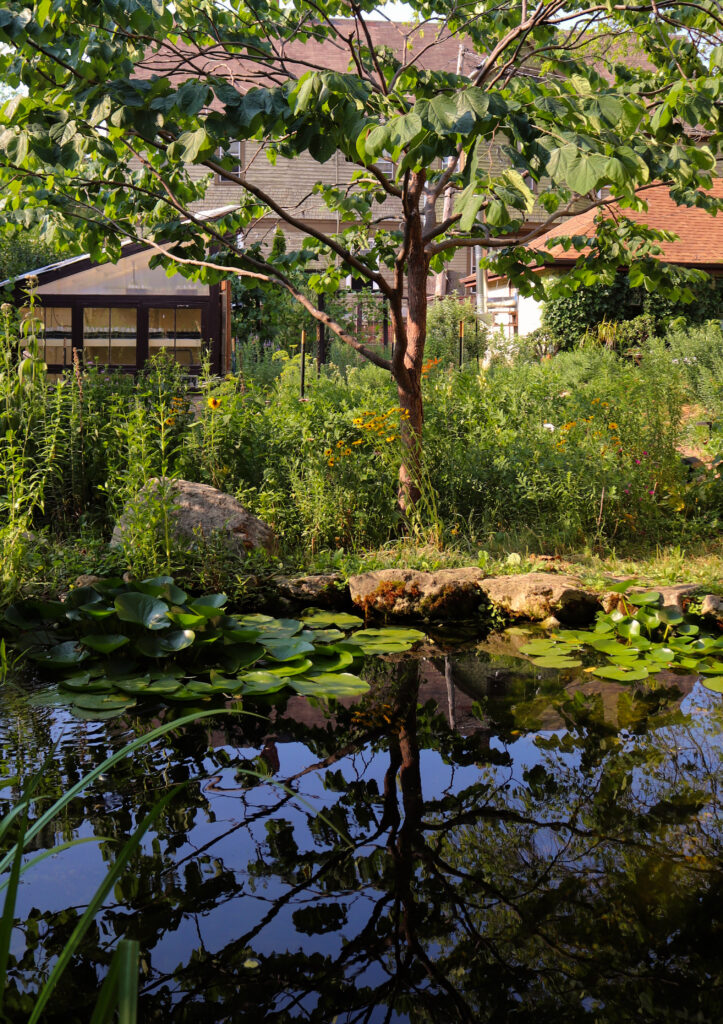
What has it been like witnessing that transformation from just starting off as an ordinary lawn and turning it into this paradise for pollinators and native species?
It’s been really incredible to watch. It is insane how fast it happens too. They flock to habitats. I’ve heard a monarch can smell milkweed from 200 feet away. And it happens a lot faster than you would think. Soon as you start supporting them, they’ll be there and even things like the biology of the soil changed really quickly.
I believe the old owners of the house were probably spraying herbicides. It was just like completely dead soil. After mulching it and making compost bins, it was like biology and life showed up. It happens faster than you think.
Really tiny plots of land can still be a beneficial habit. Anybody could do this, no matter the size of their backyard. You can do this even in containers, on your balcony.
This is an idea a lot of people can get behind, but it can be intimidating. What would you recommend to an interested newcomer wanting to give their backyard back to nature as a good starting point?
I think a great starting point is honestly going to some nature centers like Wehr Nature Center in Oak Creek or the Urban Ecology Center. The big prairies that they have are perfect for seeing what’s in bloom.
All it takes is being observant and wanting to learn. The cool thing about the native plant movement is that so many supporters of it are so passionate that they are willing to go above and beyond to help people get into it. The Native Plants of Wisconsin Facebook group is one of the most active and helpful communities on the internet, I swear. There is just overwhelming support.