

You may have heard of the lone star tick, the bite of which can transmit alpha-gal syndrome, a nasty allergy to certain meats and dairy products. A tick that endangers enjoyment of a cheeseburger sounds bad. But there’s good news: these crawlers are still very rare in Wisconsin.
READ MORE OF OUR 2026 SUMMER GUIDE HERE.
UW-Madison entomologist Susan Paskewitz, director of the Midwest Center of Excellence for Vector-Borne Disease, receives only a few reports of lone star ticks (named for the white spot on females’ backs) from Wisconsinites each year. “I’m talking about maybe 10, 12 reports.”

Celebrate this year’s winners of the Betty Awards!
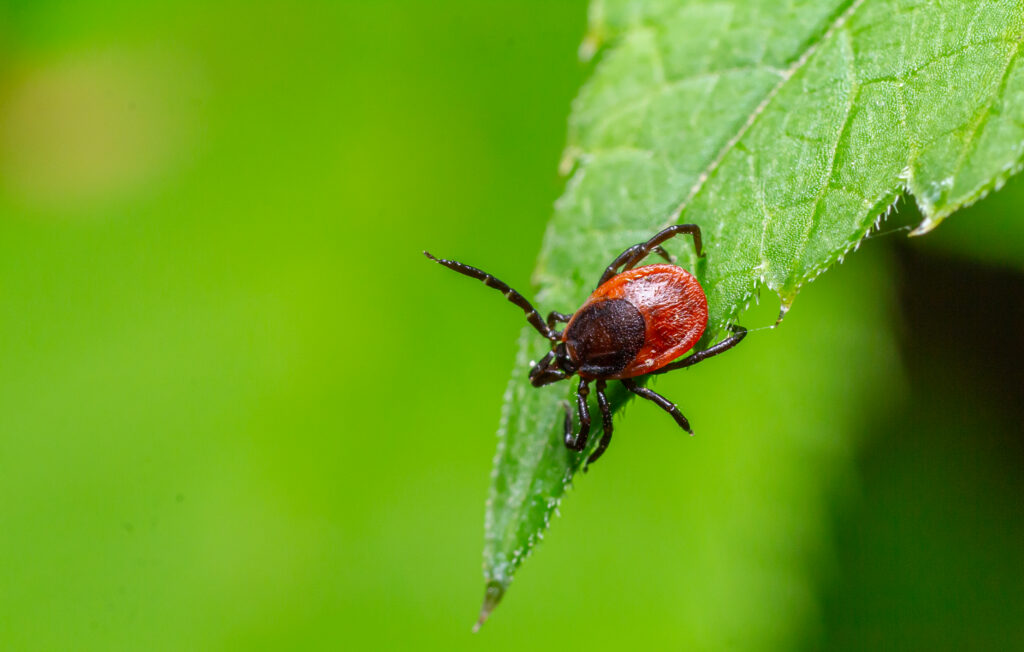
A much greater concern is the dangerous tick we know well. Lyme disease, she says, is much worse than alpha-gal, and its vector, the deer (aka blacklegged) tick, is firmly established in all counties.
Skip all the tricks you’ve seen online, and just use tweezers. Grasp the tick gently by the head as close to your skin as possible. Pull slowly and steadily, straight out, no twisting. Be sure you got the head. Clean thoroughly with alcohol or soap and water.
To stay safe, use repellent and check for ticks throughout the day and in the shower at night. The nymph is the size of a poppy seed, easily missed, but needs to be attached for 24-48 hours to pass the pathogen. Paskewitz’s department requires its “tick team” to use clothing treated with permethrin, and they’ve had no confirmed locally contracted cases despite working in the worst places for ticks.