

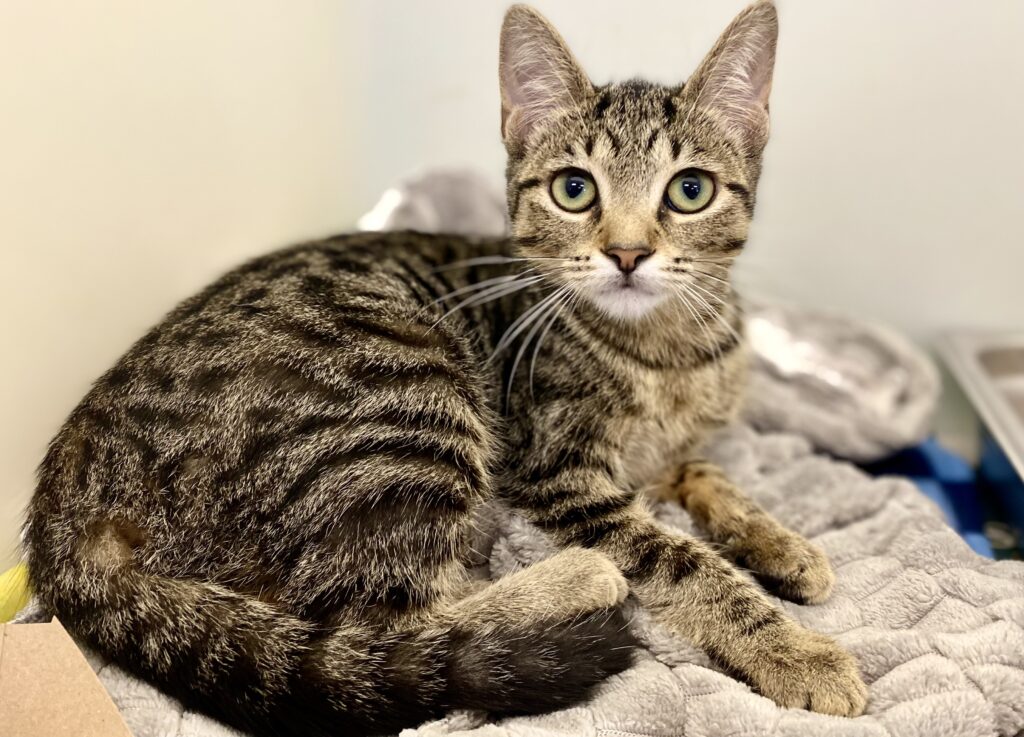
The Milwaukee Area Domestic Animal Control Commission has been facing some questions lately as Milwaukeeans have been unable to drop off stray and lost cats in recent weeks. This is an unfortunate consequence of overcrowding as well as an outbreak of feline panleukopenia, a highly contagious and often fatal viral disease among shelter and outdoor cats.
MADACC, which is publicly funded, temporarily suspended the intake of healthy cats to prevent further spread of the disease. However, the facility has continued to accept sick, injured, and bitten cats and kittens. It is likely to open intake for healthy animals again this week, possibly in the next day or two.
The outbreak appears to be under control, says Kate Hartlund, community engagement coordinator at MADACC, with no new positive cases thanks to the shelter’s stringent measures.
Shutting down intake was a tough decision, but Hartlund emphasizes that it was done for the sake of the cats, who would come in healthy and get sick from the virus.
“If cats are sick and dying, yes, euthanasia is more humane than letting them suffer,” Hartlund said. “We were very honest from the get-go about the reality of what was happening at the shelter with panleuk.”

Celebrate this year’s winners of the Betty Awards!
Cats and kittens are more susceptible to contracting the virus if they are in kennels, animal shelters, pet stores and feral cat communities. Kittens are especially vulnerable, and MADACC has been urging anyone who finds stray or feral kittens to foster them for two weeks. While you can bring in kittens for vaccination and deworming, they must leave with the finder right after.
“If a kitten cannot immediately leave with the finder, we will, with a heavy heart, have to humanely euthanize, not because of overcrowding as some have suggested, but because panleuk is deadly and causes severe suffering in unvaccinated kittens,” Hartlund says.
Healthy cats aren’t being euthanized, Hartlund emphasizes. “MADACC will always have to euthanize cats, but it will always be for severe medical or behavior issues – nothing else,” she says.
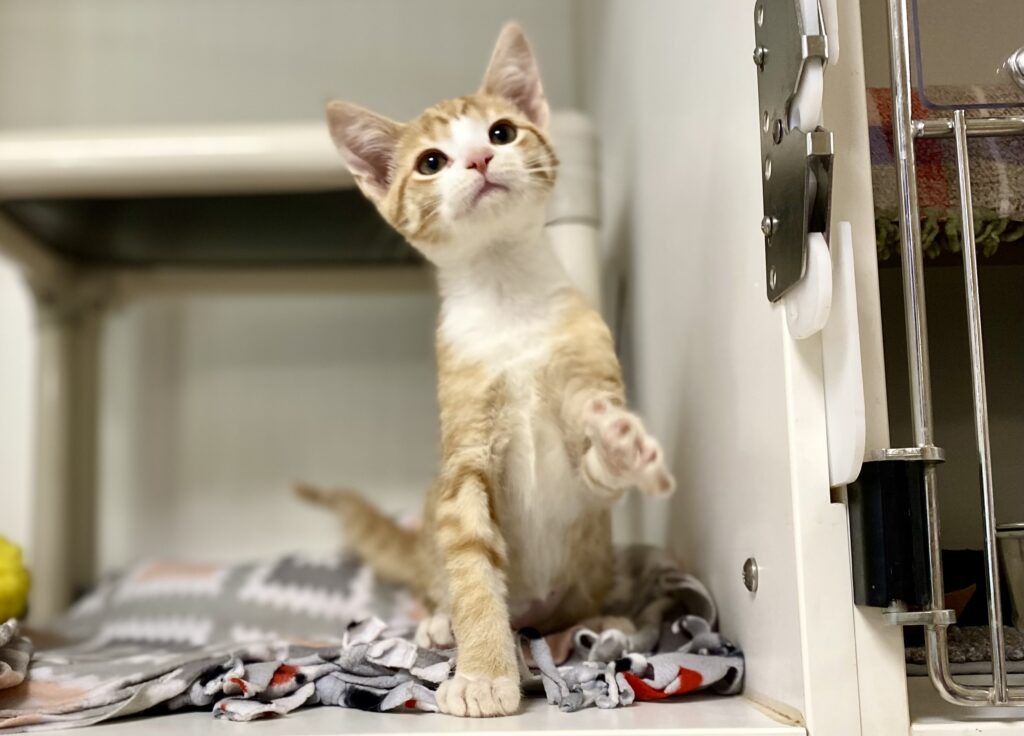
Overcrowding at MADACC has eased since intake stopped, and the cat population at the facility is now stable and doing well.
Hartlund says that overcrowding is something that every animal shelter or rescue regularly deals with. “It’s a never-ending cycle,” she explains.
It’s vital for people to spay or neuter their pets while urging the trapping, spaying and neutering of outdoor or feral cats, according to Hartlund, since female cats can have 12-18 kittens per year,
Another factor is often the failure of people to reclaim their pets.
“I think the economy has a lot to do with it,” says Hartlund. “Having a pet these days is almost a luxury, between food, vet bills, extra rent, insurance and grooming. I also think that if people were on the fence about having to rehome or get rid of their animal, and they end up here, at least [they] know [their pets] are safe.”
If you’re looking to adopt (and reduce the overcrowding issue), now’s the time. MADACC is currently offering the following incentives on pet adoptions:
- All dogs that have been available for adoption for seven days past their stray hold and are ready to go (spayed/neutered/vaccinated/microchipped) have a $50 adoption fee, regardless of age, breed or size.
- Cats five months and older who are ready to go are fee waived thanks to Friends of MADACC.
- Kittens four months and younger who are ready to go also have a $50 adoption fee.
- Kittens that are foster-to-adopt (not spayed or neutered yet) are $125 to adopt. When brought back for their spay or neuter surgery, which is scheduled before leaving the shelter, adopters will receive a $75 refund, making the final adoption fee $50.
- All animals four months and older will receive their rabies vaccinations. If the adopter is a Milwaukee County resident, there will also be a $12 license fee, which is required by the state.