
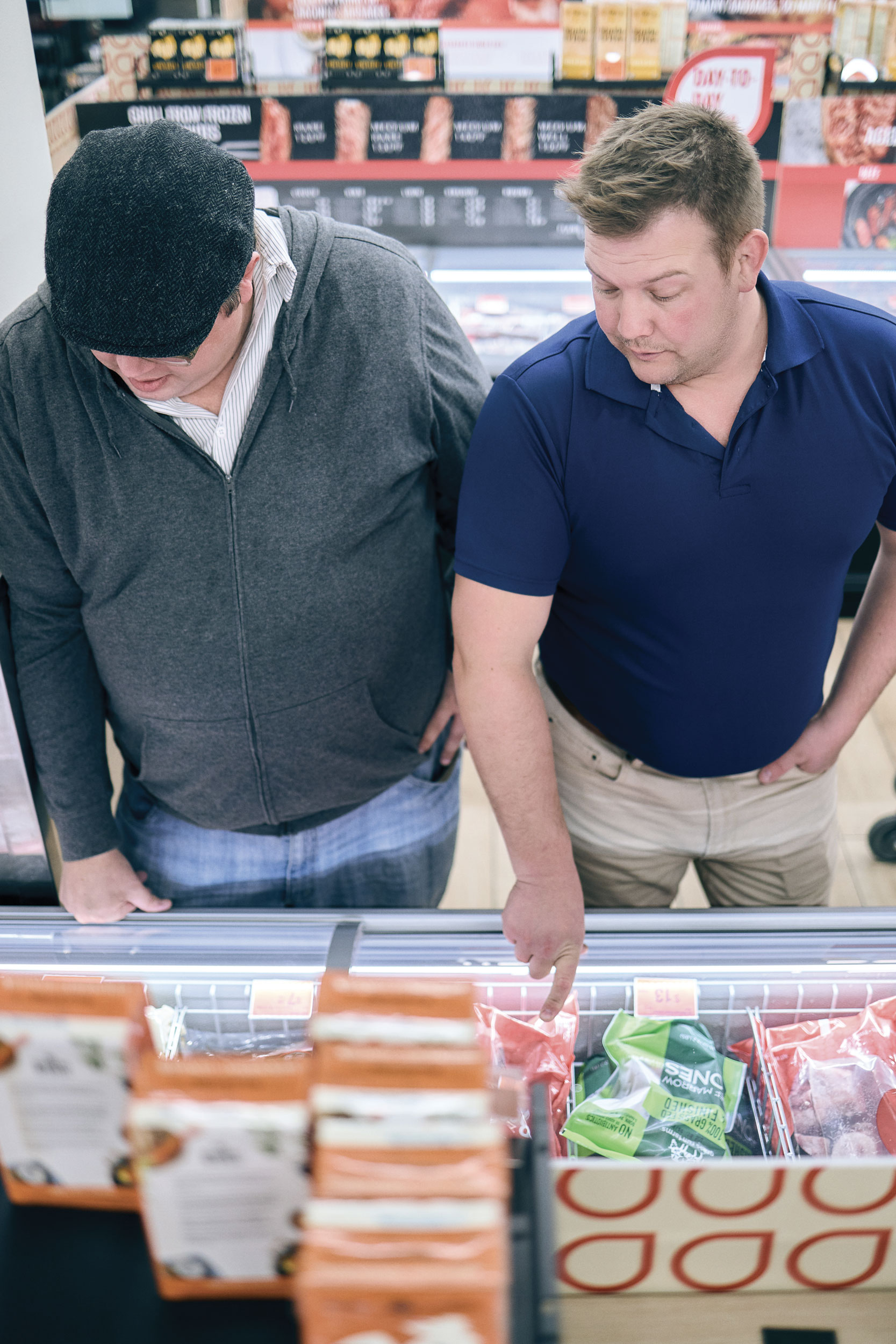
Walk into Wild Fork, the chain frozen meat and seafood store in Glendale (635 W. Silver Spring Dr.), and you could easily be overwhelmed by the sheer novelty of the abundant vacuum-sealed provisions. Kangaroo? Ostrich? Alligator? We walked the aisles with chefs Kurt Fogle and Joe McCormick to learn how the pros shop these unique cuts.
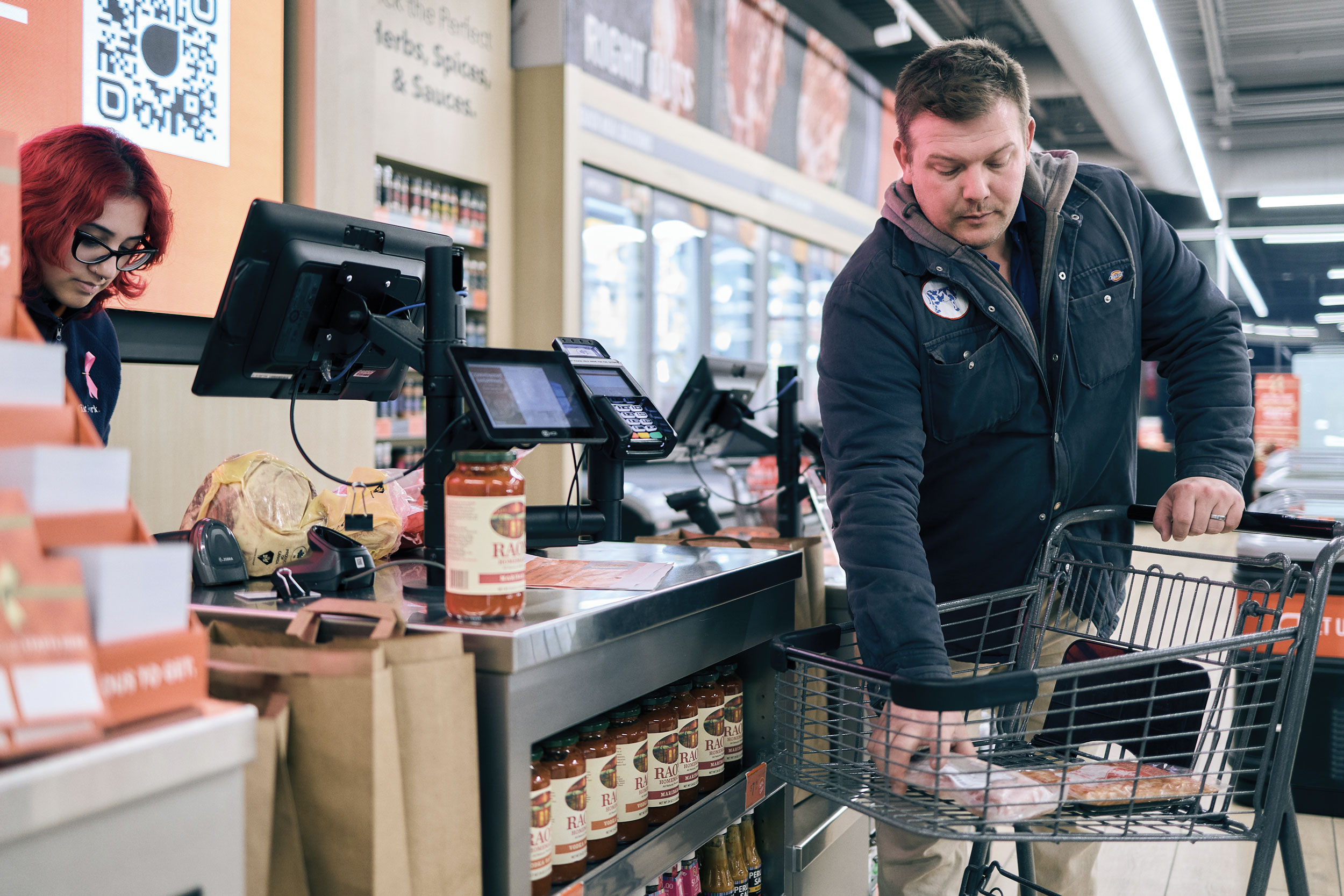
With $100, the owners of the newly revived Dairyland restaurant turned their eye for burgers and chicken sandwiches on wilder game. Here’s what they bought – and what they didn’t.

Celebrate this year’s winners of the Betty Awards!
The Winners
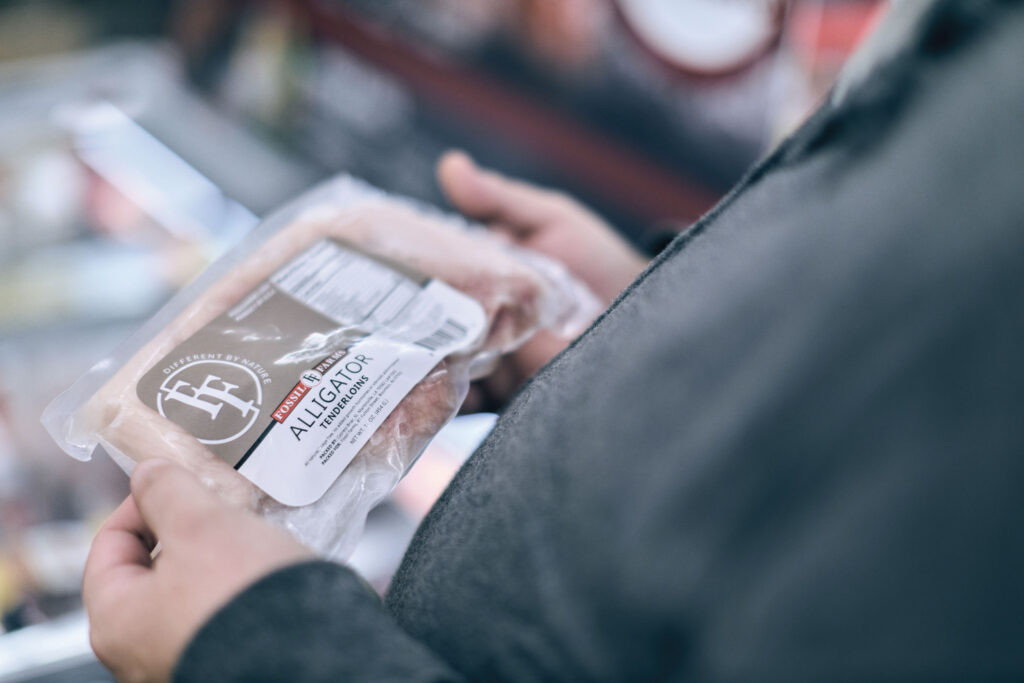
Alligator Tenderloin
1 LB | $20
A lover of Cajun cuisine, Fogle was immediately interested in the Louisiana gator, which he planned to turn into a hush puppy. “When people say it tastes like chicken, it does,” he said. He added 16 ounces of crawfish tail meat ($18) to serve alongside it.
What determines the taste of unusual meat like alligator? McCormick says it comes down to three factors: what the animal eats, where it lives and how much it works. A catfish, for example, is a bottom feeder, and hence tastes a little muddy. Venison’s gamey because deer are always on the move. Bison’s like beef because they’re both grass-fed. Gators have muscles built for rapid bursts of movement, not endurance, much like chickens.
Bone-In Beef Hind Shank “Thor’s Hammer”
$38
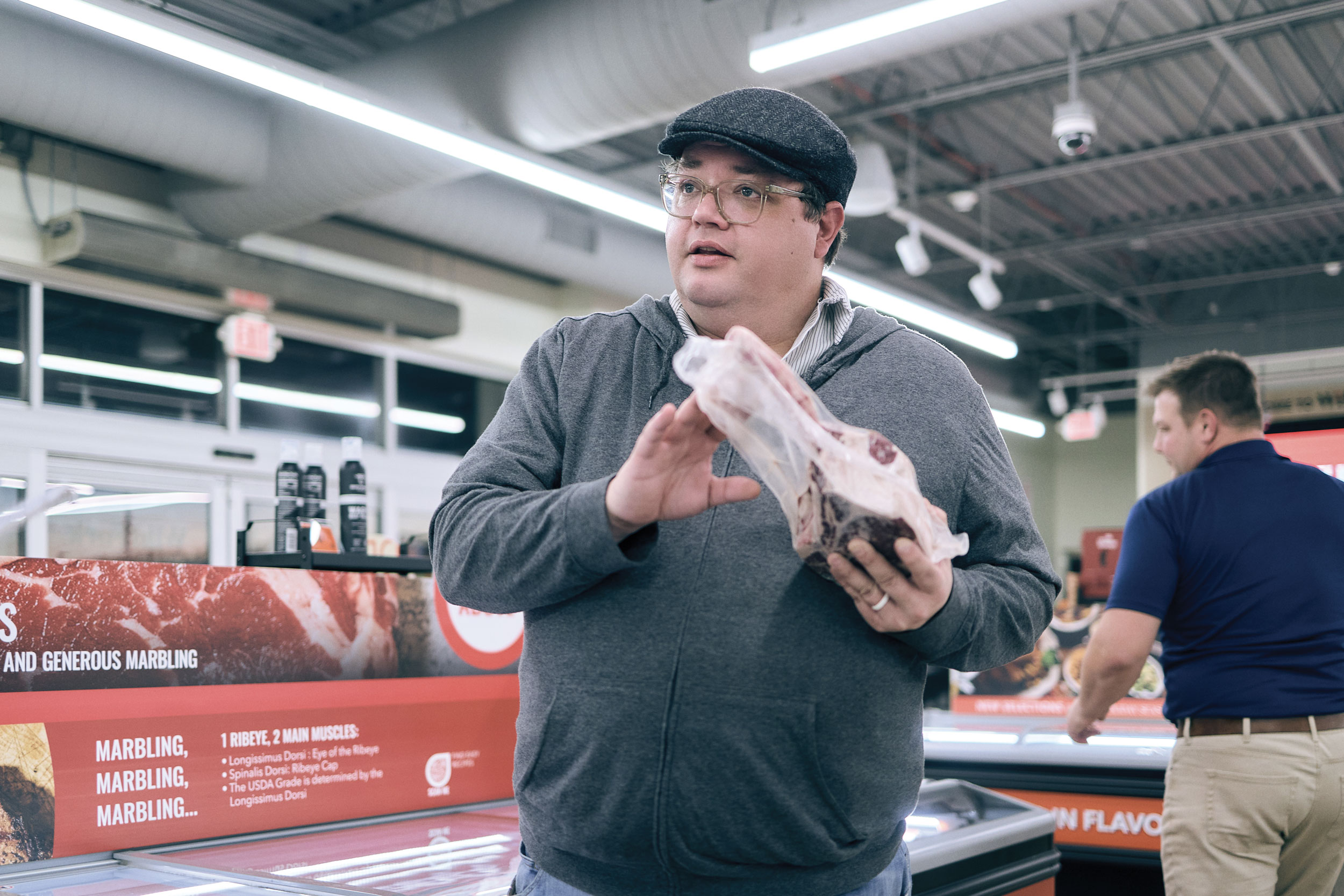
“This is a big ol’ beef shank,” said McCormick, of the cut he planned to turn into an osso buco. Unlike a tomahawk ribeye, the “visually impressive” bone sticking out of this cut has a culinary purpose. It’s full of marrow – great for a flavorful stock. McCormick bought three pounds of meaty beef neckbones ($9), to add more complexity to that stock.
Ground Kangaroo
1 LB | $12
With money to spare, the chefs took a spin at making one of their celebrated Dairyland-style burgers out of kangaroo. The meat is high in protein and has very little fat, which means this brick had 4% beef added to make it less lean and juicier.
The Rejects
Tomahawk Steak
$16 PER LB.
The Instagram-friendly ribeye with over a half-foot of bone sticking out the end is a “good marketing strategy,” according to Fogle. “What are you doing with the bone? You’re not eating it. … Do you want to hold it and chew on your steak? It’s [sold by the] pound, so butchers are up-charging, and it’s getting served in steakhouses because people think it’s badass.”
Suckling Pig
$20 PER LB.
“Nooo,” Fogle groaned, turning away with a wince when we found this small whole pig. “A baby pig in a bag in a freezer? … I understand the food chain. I understand that will probably be very delicious. But I also feel like this is something people don’t really have to eat. … Learn how to cook a full-grown pig.”
One-Pound Lobster Tail
$55
“Lobzilla” might look impressive, but McCormick and Fogle pointed out that size doesn’t necessarily mean flavor. “How does a lobster get this big?” Fogle said. “What does it have to do? Get old, right? The bigger [a lobster tail] is, to me, the tougher and chewier it will be.”
The Recipes
Here are the dishes the chefs made after their Wild Fork run.
Braised ‘Thors Hammer’
Stock:
- 5 beef neck bones
- 1 large yellow onion
- 3 carrots
- 3 ribs celery
- 1 head garlic
- 5-6 button or cremini mushrooms
- 1 tomato
- 2 tablespoons tomato paste
Roast:
- 1 “Thors Hammer”
- 250 g. yellow onion
- 1 carrot
- 2 ribs celery
- 1 head garlic
- 3-4 mushrooms
- 1 tomato (baseball-sized, any kind of your choice)
- salt and pepper
“To really maximize the beauty of this cut, it is a three-day process, but if you take the time, it is really something special,” says Joe McCormick.
First, we need to make a brown stock to cook the roast in. To do this, take the neck bones and roast them in a hot 425-degree oven until they are a deep brown without being burnt.
When the bones are done, transfer them to a large pot, slow cooker or pressure cooker.
While the bones are roasting, prepare the mirepoix. We want deeper flavor for this stock so we will be adding tomatoes, mushrooms and tomato paste. Cut all of the veg into rather large chunks – the stock will be cooking for a long time. Add carrots, onions, celery, garlic, tomatoes and mushrooms to a large bowl and mix in the tomato paste to coat vegetables; add the mix to the same pan as the removed bones and place back in oven until veggies are roasted and browned without burning.
Place every ingredient for the stock in the pot that you are using and let cook: if on a stove top, lightly simmer for 4-6 hours; in a slow cooker, let cook 8-12 hours; in a pressure cooker, 15 psi for 3-4 hours.
I like to let the whole pot cool down overnight. The next day, skim any solidified fat off, warm just enough to be liquid, and strain it into new pot. The stock is now ready to use for braising the beef.
For the roast, take some butchers twine and tie it twice around the roast to keep its shape while cooking. When done, the meat will be very tender and we don’t want to lose the impressive presentation.
Season the roast heavily with salt and pepper, place in a cast-iron skillet or dutch oven set over high heat and sear as best you can on all sides.
When browned, place roast into a large heavy pot that can hold the beef and be able to be covered with liquid. In the same pot, just like for the stock, brown a new batch of the same mirepoix mixture minus the tomato paste.
When browned, add to braising pan with the beef. Cover with the stock, add fresh rosemary, thyme, and parsley and place into a 325-degree oven. Depending on size, this could take 4-6 hours to be tender. Test tenderness with a knife by poking through the thickest part of the meat – your knife should slide through with little resistance. At this point remove from the oven and refrigerate overnight in the pot with all the liquid.
To finish, warm the roast on the stove gently at a bare simmer. Once the meat is warmed through, gently remove it from the pot and place on a tray and cover with foil to keep warm. Heat your largest sauté pan while doing this. Strain the braising liquid into a fresh container and reserve.
At this point we will finish the sauce, and have a few options. We could add it to the hot sauté pan and let reduce until thick and glossy, check seasoning and adjust with salt. For my presentation, I sautéed sliced mushrooms, and added diced onion and garlic after the mushrooms were browned. Sprinkle with a tablespoon of flour and let cook for a minute, then add the braising liquid, more fresh rosemary and thyme, and let reduce until thick and glossy. When sauce is thickened to the point of your liking, add the peas and heat them through. An addition of fresh chopped parsley and/or tarragon makes for a nice finish to the sauce.
To plate, I choose a large scoop of mashed potatoes on a serving platter. Place the roast on the potatoes and be sure to remove the string, cover with the sauce and enjoy with crusty bread.

Blackened Alligator and Andouille Gumbo
Ingredients:
- 454 grams alligator tenderloin
- 50 grams melted butter
- 10 grams sea salt
- 15 grams paprika
- 5 grams cumin
- 5 grams cayenne pepper
- 2 grams black pepper
- 2 grams white pepper
- 2 grams dried thyme
- 2 grams dried oregano
- 2 grams dried chives
- 6 grams garlic powder
Brush alligator with melted butter.
In a small bowl, combine all remaining ingredients and mix.
Roll the tenderloin into the seasoning mix.
Place a dry, cast-iron skillet over high-heat for 5-7 minutes.
Place tenderloins in pan and sear on each side for 2 minutes.
Finish by brushing with melted butter.
Alligator can be served medium. These cooking times depend on the size of the alligator you select. Aim for an internal temp of 145F-160F

Louisiana Crawfish Fritters with Remoulade
Ingredients:
- 454 grams cooked crawfish tails
- 250 grams cornmeal
- 315 grams AP flour
- 15 grams baking powder
- 75 grams sucrose
- 30 grams Kosher salt
- 3 grams black pepper
- 150 grams yellow onion
- 40 grams green onion, sliced
- 560 grams whole milk
- 65 grams whole eggs
- 200 grams sweet corn
- 40 grams jalapeno
In a deep fryer, heat oil to 325°F.
In a large mixing bowl, combine corn meal, flour, baking powder, sucrose, salt and pepper. Mix until all ingredients are well blended.
Add diced onions, egg, milk, corn and sliced green onions. Continue to mix until all ingredients are well blended.
Fold in the cooked crawfish tails. Using a soup spoon or a small ice cream scoop, dip one hushpuppy and deep fry as a sampler.
The hushpuppy will be done when it floats and is golden brown.
Correct seasonings and cooking time if necessary. Continue to fry until all are done.