
It’s one thing to call something an incomparable experience. It’s a rare thing for it to be true, but Three Brothers (2414 S. St. Clair St.) is that. Some of it is the remarkable origin story of this Bay View Serbian landmark. A native of war-torn Yugoslavia who also survived imprisonment in a Polish concentration camp, founder Milun Radicevic bought a Cream City brick building – a former Schlitz tied house with a globe perched on the structure’s turret – and in 1956 created this restaurant, naming it after his three sons. Eventually the eldest, Branko, would succeed his father in the business; now 11 years since Branko’s passing, Three Brothers is caringly operated by his widow, Patricia, and their children.
Legacy restaurants like Three Brothers are an endangered species that need to be protected as our shared community heritage.

If someone has inspired you through their service, leadership or dedication, the Unity Awards are your opportunity to recognize them!
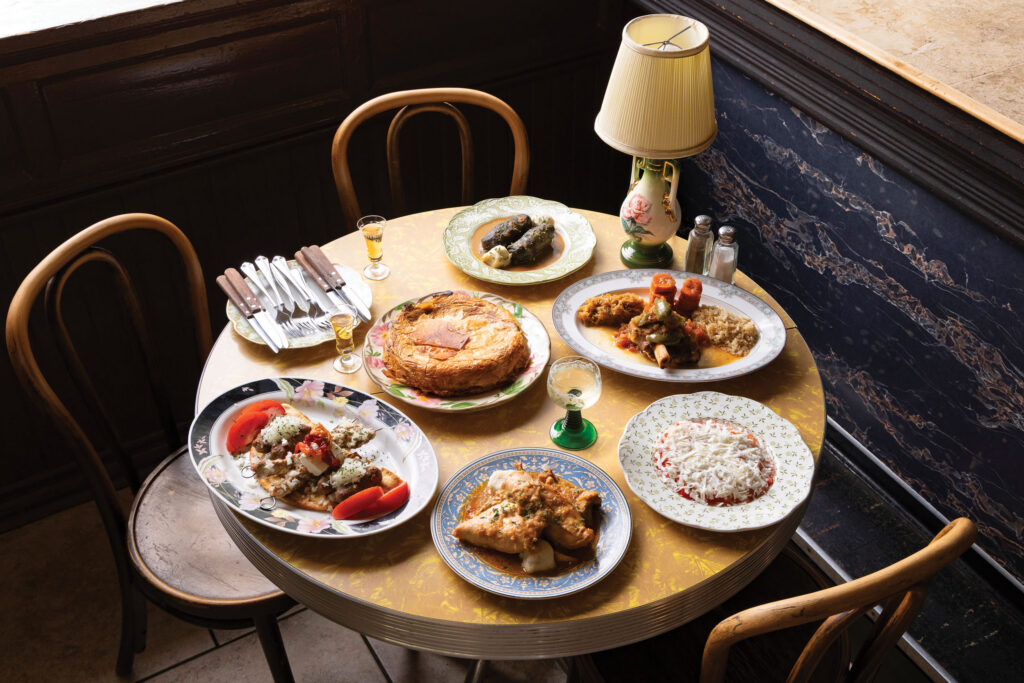
“The less we touch things, the better” is a sentiment that Branko and Patricia’s daughter, Milunka – who works alongside her mother and her sister, Branislava, in the kitchen – has echoed over the years. That refers to both the atmosphere and the food. How many have settled into an old saloon chair at one of the 14 Formica-top dining tables over the last 70 years? Servers, some with hairnets covering their heads, are unhurried – the pace of modern life just doesn’t exist here.
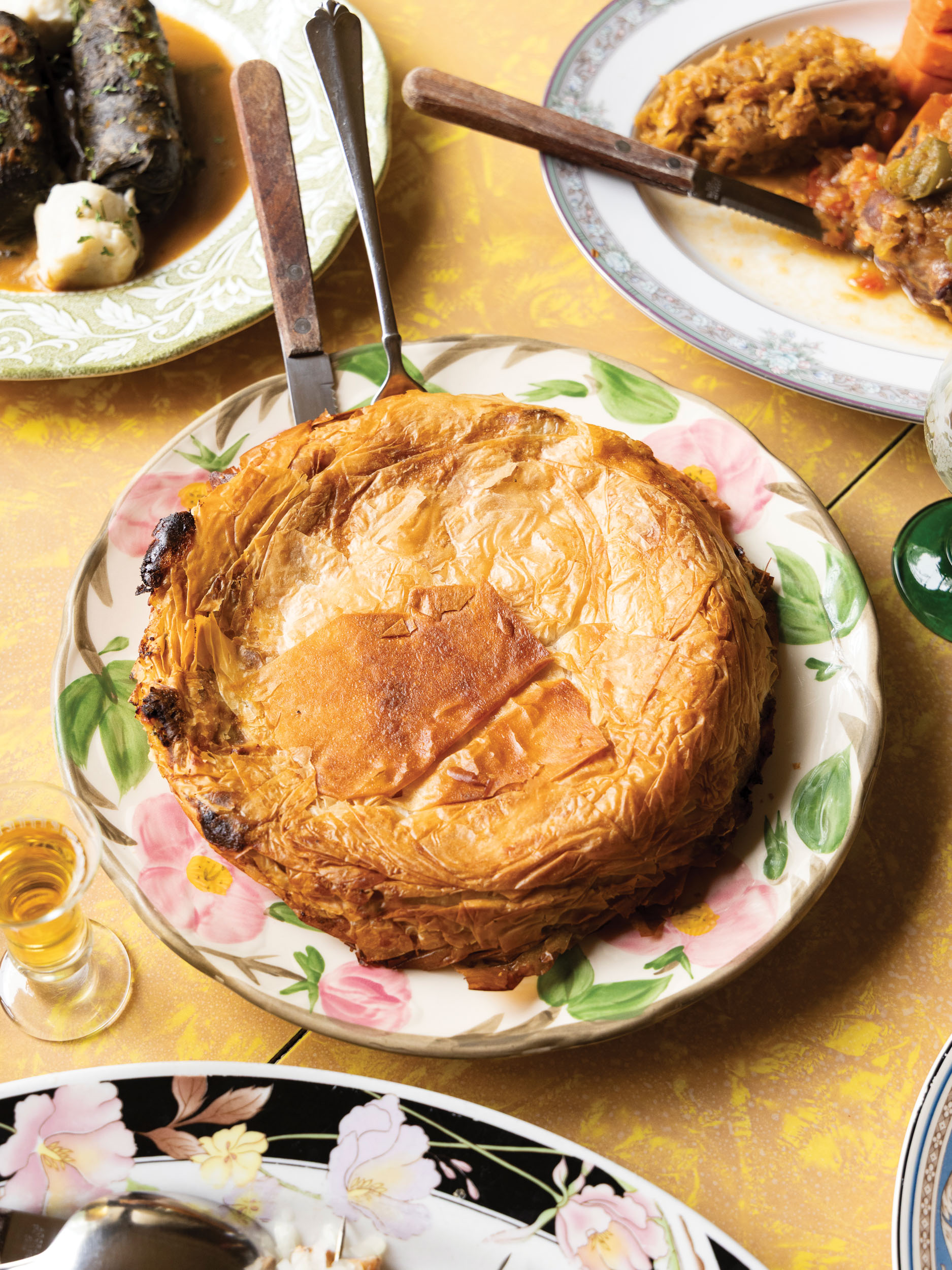
Rooted in Radicevic family traditions, the menu is unchanging, reliable. The spinach and cheese burek ($26.50) – for me a nonnegotiable – is our appetizer, a savory golden phyllo pie cut into triangles. It’s mild and rich, the shell breaking into shards from the pressure of a fork, the inside all dense, moist, salty filling. The obligatory Serbian salad ($10.50) – chopped tomato, onion and green pepper under a comforter of shredded Serbian cheese the texture of ricotta salata – is crisp and creamy, a welcome counterpoint to the soft, stew-like main courses.
And those mains, they all beckon: chevapchichi (grilled sausage made from minced beef, $25.50), raznjici (pork shish kebab, $23.50), chicken paprikash with potato dumplings ($25), sarma – pickled cabbage leaves wrapped around a filling of beef and rice ($24.50). Maybe beef- and rice-stuffed peppers ($24.50), because who makes stuffed peppers anymore?!
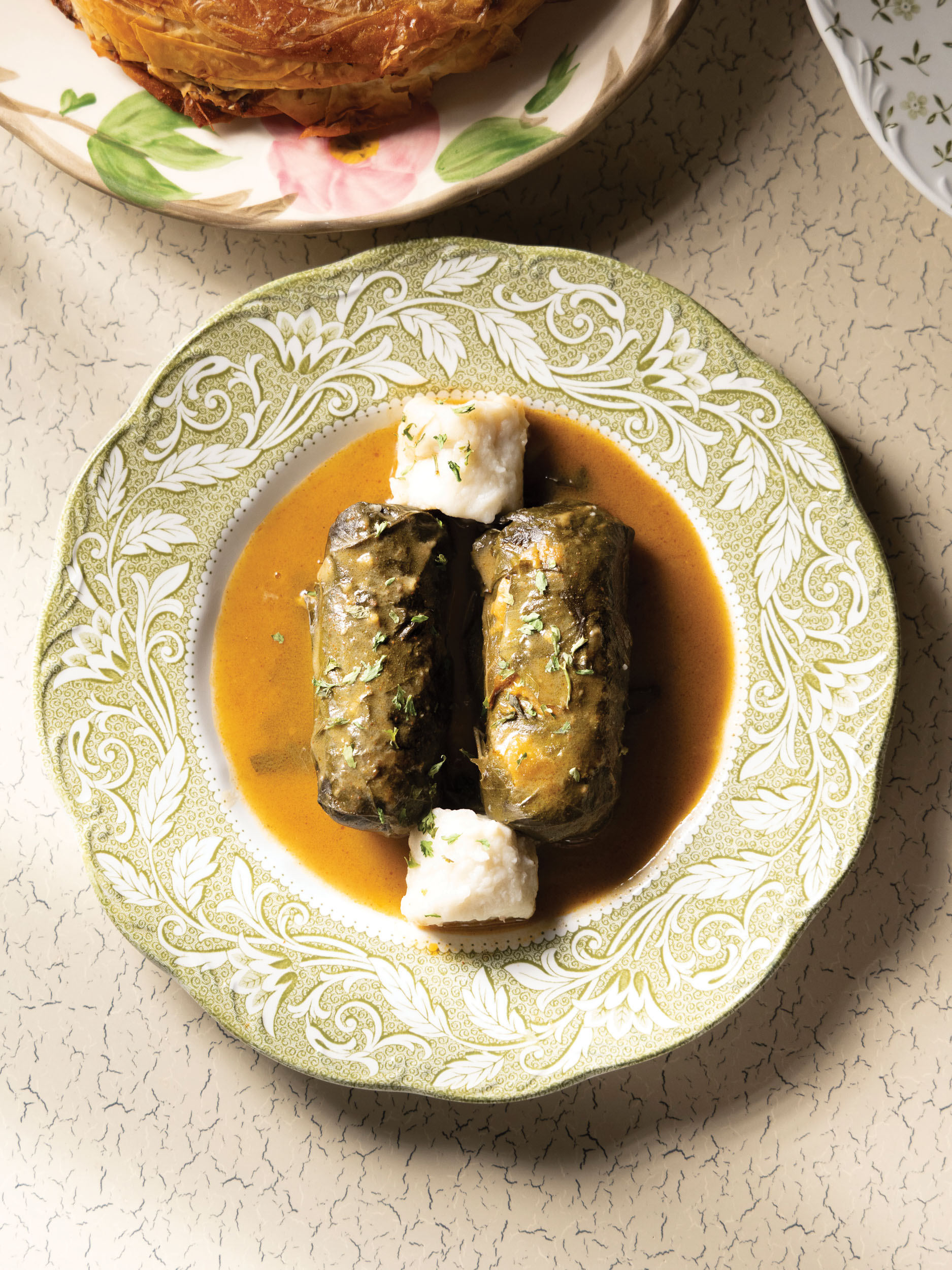
For the first in ages, I order the roast lamb ($38), a bone-on portion of the leg, and the meat is as tender and mild as I could hope for. The two others at my table have the chevapchichi/raznjici combo ($27), which is covered in raw onion, and the grape leaves stuffed with rice and ground beef, served with lemony white wine sauce and two tender potato dumplings. The dumplings on that plate, and the pickled cabbage and cooked carrots that come with my roast lamb feel familiar – similar to things my mom or aunt might have made when I was young. That’s what makes it special.
The beauty of Three Brothers is how it burrows into the tender place inside you where nostalgia lives. This meal is not my history, but it still conjures up what is mine. Milunka is more mystical, calling this feeling a “sacred energy.” Which it may be – or simply an emotional connection that doesn’t need to be pulled apart and examined but instead revered and saved.
The darkwood bar that runs the length of the dining room is original to the building’s Schlitz saloon days. Behind it is a soft, dreamy old mural of the Grand Tetons. Other relics include an illuminated Schlitz globe hanging above the bar.
Patricia Radicevic, whom Branko met while pursuing a banking career in New York City, slowly learned to cook the dishes of her husband’s Serbian family from her mother-in-law, who created the menu. Patricia eventually became head chef. Her guiding hand is still there, though her daughters have taken on more duties.
In 2002, Three Brothers won the James Beard Foundation “America’s Classic” award, an honor given to longtime independent businesses that are cornerstones of their communities.