
Read more about the Bettys
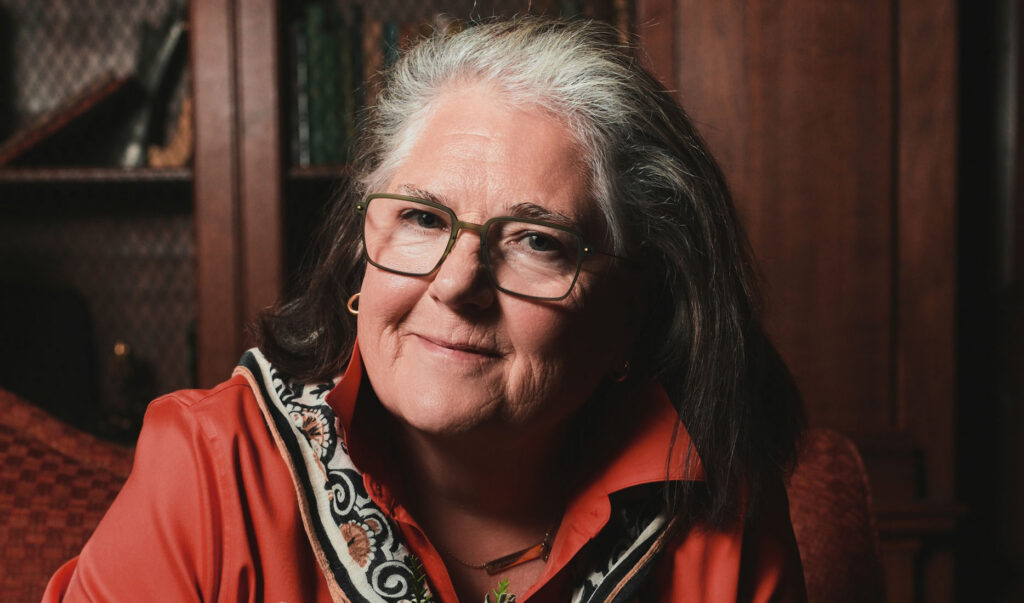
Born and raised in Louisiana, Carmen Pitre arrived in Milwaukee at the age of 22 in search of a fresh – and sober – start. “My cousin, who was like a brother to me, died in a drinking-and-driving accident,” Pitre says. “I knew immediately that I needed to make a change.” She landed in snowy Milwaukee in December of 1984 and checked into a halfway house. “I had never seen snow,” Pitre recalls, “and my thought was, ‘I’m going to die here.’”
Instead, she began a lifelong career devoted to helping others, including 25 years in leadership roles at Sojourner Family Peace Center, which describes itself as Wisconsin’s “most comprehensive nonprofit provider of domestic violence prevention and intervention services.” Her story, in many ways, parallels what survivors of domestic violence endure, she notes. “They have to leave behind what they’re comfortable with, and what is familiar,” says Pitre. “You feel alone, you feel isolated, and you feel like your life is over.”

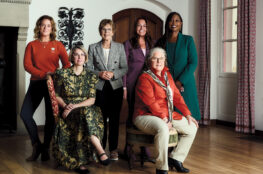
Celebrate this year’s winners of the Betty Awards!
Throughout her tenure, Pitre has worked to partner with local organizations and systems to ensure that survivors know they are not alone but instead supported. One such partnership is the Community Domestic Abuse Advocacy Program, in which a Sojourner advocate supports abuse survivors, including joining law enforcement for immediate response. She also, perhaps most notably, oversaw the construction of Sojourner’s state-of-the-art facility on West Walnut and North Sixth streets – a building that not only houses a 53-bed shelter, but also the Children’s Wisconsin Child Advocacy Center, one of the first co-located child advocacy and family violence centers in the country. That facility celebrated its 10th anniversary last November.
Pitre’s current focus is on addressing Milwaukee County’s rising number of domestic violence-related homicides – most of which involve women as victims. Her vision is to expand advocacy at the neighborhood level and better support survivors within their own communities. “Milwaukee is still a place-based community,” Pitre adds, “and we need [more] strategies where people live, work, play and pray.” The hope, she continues, is that trained advocates can then, in turn, readily refer survivors to proper resources. “No person who has been hurt,” Pitre says, “should walk alone.”