Pyotr Illych Tchaikovsky’s orchestral music is everywhere this time of year. Not just The Nutcracker and the other ballets, but the symphonies and serenades, too. Perhaps there’s something ineffably “wintery” about his romantic Russian colors and melodies—warm and glowing when we need it most.
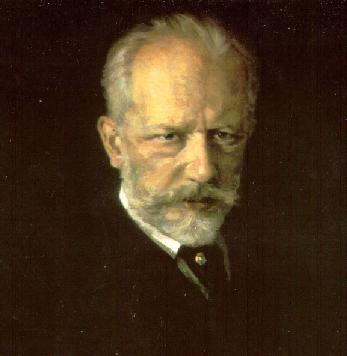 Tchaikovsky didn’t care much for chamber music, and wrote very little of it. But the Prometheus Trio made a compelling case for small-scale Tchaikovsky Monday night at the Wisconsin Conservatory of Music—for this and any time of year. His Piano Trio in A Minor, Op. 50, his only trio, is also known as one of the longest in the repertoire, clocking in at over 45 minutes.
But Monday the time flew by, thanks to the Prometheus’s lyrical playing and its embrace of Tchaikovsky’s playful inventiveness and gorgeous melodies. They were certainly helped by guest violinist Margot Schwartz, whose big, glowing sound is perfectly suited to the music. She and cellist Scott Tisdel were beautifully matched in the aching Andante flebile variation of the second movement. Pianist Stephanie Jacob tackled her demanding part with sensitivity and grace, particularly the Mazurka variation that gives a nod to Chopin.
 Subtitled “In memory of a great artist,” the trio is a tribute to the composer’s friend, Nikolai Rubenstein. But Tchaikovsky has denied it offers a musical “program” of Rubenstein’s life. Believe that or not. As played by the Prometheus, the trio suggests a elegiac tour of a well-lived life, or perhaps a wander through a great Russian country house, encountering lived memories and emotions that linger there.
The trio also played Mozart’s Trio in B-Flat Major, universally regarded as one of the masterpieces of the form. The musicians rose to the occasion. Jacob opened the piece with the delicately phrased main theme, and the music spun effortlessly after that. Schwartz’s middle register shone radiantly in the in the Larghetto, but the joy of this piece is in the musical teamwork, and the trio captured Mozart’s glory.
The concert opened with two contrasting works by Elliot Carter, one of the giants of contemporary American music. The 1943 Elegy, arranged for trio by Tisdel, betrays the American lyricism and open harmonies of its era. The 2012 Epigrams is more the modernist Carter, with independent time signatures, percussive effects and striking contrasts. Still, in the final section, there’s a lovely echo of Carter’s early years. It’s demanding music, and the Prometheus played it with mastery and great feeling.
The program will be performed again tonight (Tuesday, Dec. 9) at the Conservatory.