
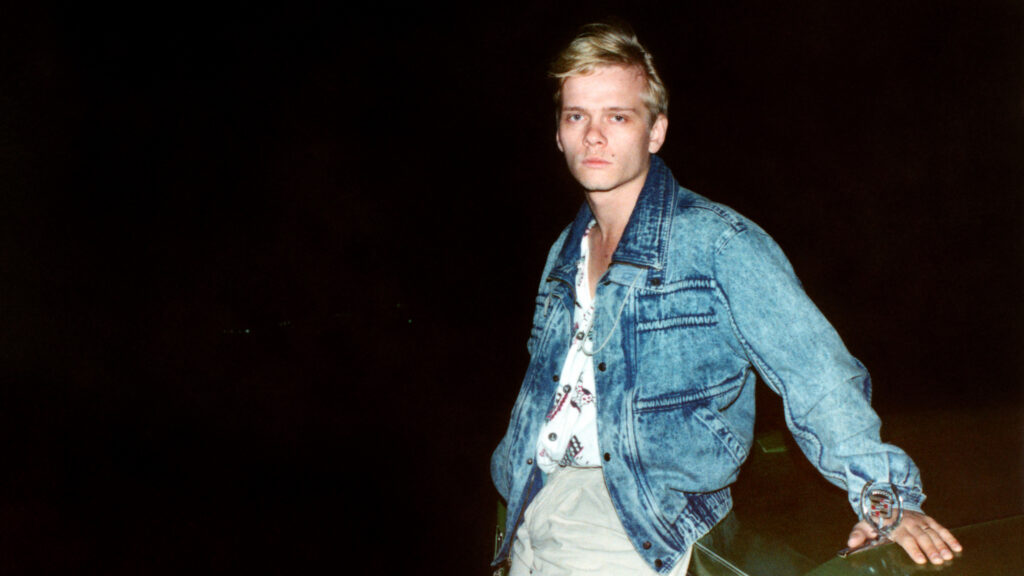
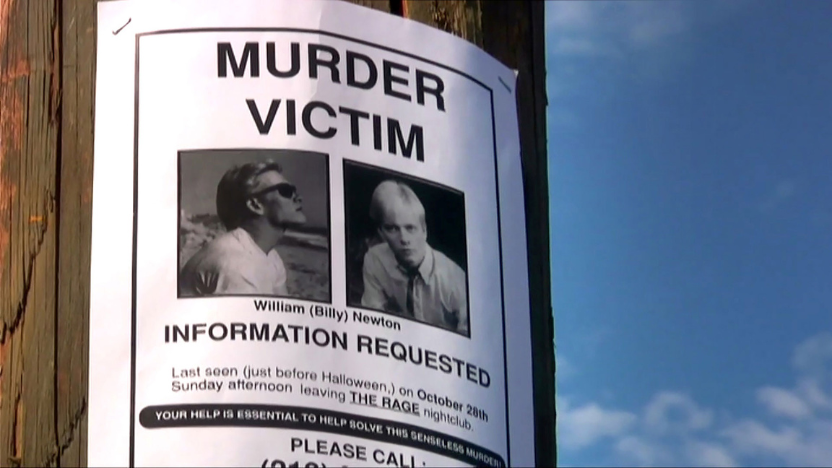
“My Brother’s Killer” traces the life of Eau Claire, Wisconsin native Billy Newton, who, like countless LGBTQ+ people of his generation, was shunned by his community and even his own father. Seeking acceptance and escape, Billy hitchhiked his way through the heart of America, landing in Los Angeles where he made a living working in gay pornography.
On Oct. 29, 1990, days before he was to meet his sister, who was visiting from Wisconsin, Billy disappeared. Later, his remains were discovered in an LA-area dumpster. He was 25 years old.
Nearly forty years later, his murder remained unsolved.

Celebrate this year’s winners of the Betty Awards!
The documentary uncovers a series of mind-blowing connections in the unsolved mystery of Billy’s early life in Wisconsin and his murder in Los Angeles. Intimate interviews with family, friends and some still considered to be suspects at the time of the filming make for a riveting viewing experience.
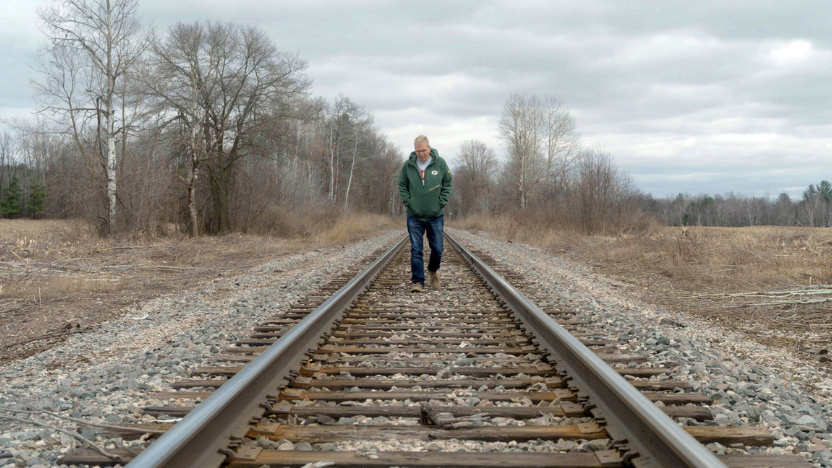
At the center of the story emerges Wisconsin native Clark Williams, who grew up in Eau Claire at the same time as Billy Newton. Williams seeks to uncover the truth of Billy Newton’s murder, becoming a key part of My Brother’s Killer thanks to a 2021 Milwaukee Magazine story.
I spoke with My Brother’s Killer director Rachel Mason and Clark Williams. This interview does not contain any spoilers for the documentary.
Clark, Rachel and I were chatting before you joined us. Is it true you have yet to see “My Brother’s Killer?”
Clark: Rachel is a real filmmaker, and she wants her film to be seen on the big screen. So I’m going to wait until I can see it on the big screen with other fans of cinema. I want to go in kind of pure. [Clark plans to see it at the Milwaukee Film Festival on April 18].
Rachel: I wanted to keep it completely independent, so we could have these kinds of film screenings. We had no corporate overlords telling us: well you can only play two film festivals: One in New York, one in LA. It was really important to make sure it plays in the Midwest, in Wisconsin, in Milwaukee, especially to allow Clark this experience. It’s necessary, important and validating for Billy’s family and for his sister to be there. The gratitude Billy’s sisters feel for Clark and for all involved can happen because we maintained our independence.
Clark, how did your time in Milwaukee inspire you to join the Investigation into the unsolved murder of Billy Newton?
Clark: Milwaukee is my second home – I lived there in the ‘90s with my partner Robert. I really came of age as a young gay man living in Milwaukee during that time. The city, to me, really played such a large part in my life and in helping to find Billy’s killer. I utilized those lived experiences of mine to help piece together pieces of information in Billy’s life that connected me to him. Those were all generated by life in Wisconsin, and Milwaukee played such a big part of that.
What was it like, being gay and living in Eau Claire and Milwaukee, during the ‘80s and ‘90s?
Clark: When you talk to gay and bisexual men of my generation, of Billy’s generation, there’s a universality of lived experience because we came of age in a very dangerous time. There was a lot of anti-gay violence directed toward us, a lot of the violence never investigated by law enforcement. There were a lot of people like me and Billy living in Milwaukee at that time. What I love about Rachel’s film is that it returns us to that period. Billy’s story reflects the lived experience of thousands of young people like myself and others who didn’t survive that time. Billy didn’t survive because he was murdered, but a lot of our peers died of AIDS and they don’t get to tell that story. Gay men from my generation can look at this film and say our story is being told.
Rachel: That feels so profound hearing you say that, Clark. Oh man, it really makes me want to cry. Clark’s generation really went through a type of hell that I don’t think people have fully grasped, and for Clark specifically not just survive but thrive… it really means the world that we have you in this film. Clark, you are a real model, an example, a person that came out of the Midwest – you have a family, a husband, a daughter – you’ve lived that actualized life that Billy didn’t get to. I feel so grateful that Clark is here.
In “My Brother’s Killer,” you [Rachel Mason] showed how a man from Eau Claire, who lived in Milwaukee, helped to turn these awful darknesses into a redeeming story.
Rachel: Thank you. When I got this email from Clark, when he said I can tell you a little about life in Eau Claire…
Clark: And that email came because of Milwaukee Magazine!
Yes, it was clear that Archer Parquette’s story on Billy Newton was key to how the documentary developed.
Clark: One of the things I realized how in any cold case investigation, there’s lots of kismet that plays a role. Any one thing might have sent the investigation in another direction [but] certain people seem to enter at the right time.
Rachel: I couldn’t agree more. If you had told me that any of this would’ve been the course my life took … Billy’s own poetry started to speak to us, there’s so many pieces of the puzzle. Our editor Dion, really kept putting things together in the edit. I would often be overwhelmed at what was coming out of the edit … there were definite angels there, I felt Billy’s presence.
Where can we point people who see this film and want to help in some way?
Rachel: Clark is the ultimate example of Billy’s life not being in vain. Find ways not to give up.
Clark: What I am managing is a victim-centered investigation. With cold cases, there’s not enough focus on the experience of the victim and really uncovering the life of the victim. In the 1980s, the gay community was pleading for local law enforcement to reach out and talk to them, because we [knew] the right questions to ask, where to look. I really hope that local law enforcement are more willing to do that. Taking advantage of the wealth of lived experience of other people can uncover new leads for homicide detectives.
My Brother’s Killer will be screening at the Milwaukee Film Festival on April 18 at 4:15 p.m. and April 23 at 3:30 p.m.
Clark Williams continues his Investigations into unsolved Milwaukee-area murders, including the 1983 cold case homicide of Eric Hansen. Williams is asking anyone who knew Hansen or who frequented Walker’s Point and Third Ward gay bars during the 1980s including C’est La Vie, Ball Game, the Phoenix and Wreck Room, as well as Paradise Books and Vide, to contact him at: clarkwilliams@hotmail.com