
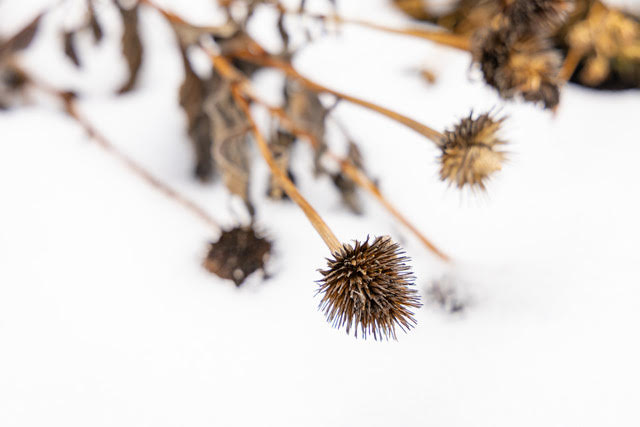
Deep, dark winter. Good for resting, hard for restless minds. Even as we gain minutes of daylight despite snowbanks and ice patches, to us gardeners, these are long, muffled days of inactivity.
To celebrate this dormant season, this will be my deep, dark column, with some book nerd (ahem, “life-long learner”) info thrown in.
The hard truth about nature is that we can lose it. Archaeology proves over and over again that whole cultures can disappear in any climate, sand and jungle alike. A few years ago, art dealer friend Rob recommended to me Dirt: The Erosion of Civilizations by David R. Montgomery. I’m always looking for books for my own dormant time.
I won’t sugar coat it: Dirt is a tough read.

Check It Out!
There are many books with “dirt” in the title, most of them gardening books, but this one is about how the advent of agriculture changed us – and how we have changed the earth. Rather than following the herds for food, we settled down. We got caught in the natural resource extraction biz to support populations that grew with each technological improvement in resource extraction, creating our own natural cycle.
Nature enforces balance, but we humans aren’t good at that. With each farming improvement we cut deeper into the dirt, shearing apart networks of roots and microbes, leaving discarded blankets of brown to wash away into our waterways or swirl into the sky. Perhaps once we learned how to grow our own food, we didn’t see nature as our life source anymore? We humans felt we were above Mother Nature, who was there just to meet our needs. She has delivered, for thousands of years, while we have fallen flat in our responsibility to her renewal.
In Dirt, Montgomery says we have lost the top 10 feet of soil across the globe. To put this in perspective: in a Melinda Meyers talk through the Metropolitan Milwaukee Sewer District last year, she noted that it takes 1,000 years for nature to build one inch – inch! – of soil. We have drained our soil bank.
Given our accelerating experience of “drastic climate variability” (thanks to Doug Tallamy for this description of climate change), how can we teeter back from the brink of food systems collapse? What can we individually do about Earth’s shrinking girth? Can Earth just tighten its belt? Will we get the same ecosystem services (food, clean water, clean air, beauty) our ancestors got? I doubt it. We need to re-establish the ecosystem upon which our very lives are built. We must start to play by Mother Nature’s rules.
But hark, there is hope! Academics, botanists, historians, landscape architects, landscape ecologists, ethnobotanists etc. describe other models of human collaboration with nature for us to consider. For example, in her talk Architecture of Abundance, Dr. Lyla June Johnston describes how Indigenous peoples worked with nature, not against it. And how about landscape ecologist (and MacArthur Fellow, aka “genius”) Lisa Schulte Moore’s promotion of “prairie strips” in the middle of midwestern farm fields? This interplanting helps “…build healthy soil while keeping it in place; improve water quality; and enhance biodiversity – all while helping curb climate change.” Since monoculture farming presents the biggest challenge to reestablishing a more balanced environment, the simplicity of this landscape restoration is heartening.
These are just two human-powered “solves” for our human-powered problems – time for us to look more broadly in our collective ability to work together for brighter future outcomes.
When I get a bit overwhelmed at the climate news, I take comfort in knowing that my tiny plot of land is part of a global movement towards dirt health, water protection and environmental resilience. I am never alone in my work.
In talking about this column with master gardener pal Priscilla, she said, in a vaguely menacing way: “it’s soil, not dirt”. Dirt is a funnier word though. I always look for a laugh because the world is sometimes mad. See? This column is not so dark after all. Those extra minutes of sun must be working.
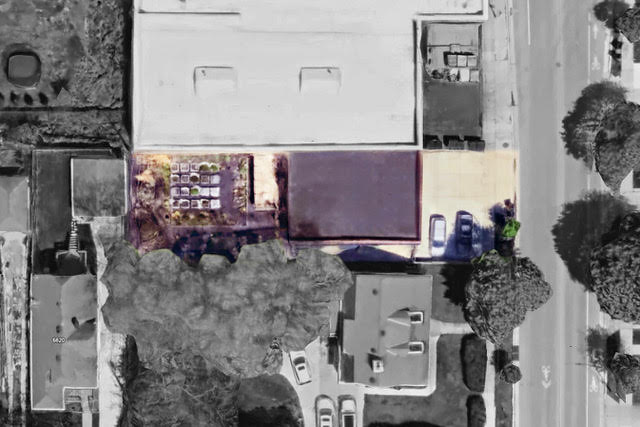
As part of my contribution to a better natural environment, in 2023 I worked to transform my plantings so I could certify our yard as a Wildlife Habitat Garden through the National Wildlife Federation. Last year, I registered as a Monarch Waystation through Monarch Watch. With the bump in Monarchs (and other butterflies) I saw this year, my yard is Lepidoptera Approved™.
Most recently, after watching a talk by Benjamin Vogt of Prairie Up for Homegrown National Park, I went onto HNP’s website to register my yard as part of this national movement. Homegrown National Park states that our national parks are not enough to protect our continent’s natural species, but with over 44 million acres of turf under homeowner control, restoring nature is something each of us can do.
Homegrown National Park asked questions about our yard’s size, site surfaces and the number and types of native plants and trees we have. They officially designated our yard as a “mullet garden: business in front, wild party in back”.
Hysterically mean and situationally appropriate. (Since our 1942 concrete block house is wedged between a two-story home and a former car dealership now hardware store, I suspect our awkward parcel of land was sold to make money during the tough years of World War II. (HNP says with just a few changes I can double the wildlife impact of my “half-wild haven”. Luckily, those steps were already on my 2026 “to do” list.)
I urge you to not be overwhelmed by the lessons of dirt or the embarrassment of having a “mullet” yard. In a recent Joe Gardener podcast, Dr. Allan Atkinson, author of The Common Sense Gardener, says gardeners are the most optimistic people around because we always have something to look forward to. He’s right – there’s always more learning, planting and growing to be done, even if it’s just in wisp of a plan in your head.
The good news in this deep dark period of rest is that you are doing a great job creating a more vibrant and healthful soil environment through all you do in the soil. Together we will never succumb to the dark stories, only those with light. Together, we will work with our light eaters for another year of joy.
A Few Gardening Resources
Buying Plants
Is your mailbox clogging up with seed catalogues these days? Some of my favorite suppliers of seeds include:
- Native Flora Seeds sells seeds by state and supports Homegrown National Park.
- Prairie Nursery
- Prairie Moon Nursery is one of my favorite go-to’s for native plants and seeds. Their Germination Codes pamphlet is astonishingly, and overwhelmingly, informative.
Education
- Betty Adelman, owner of Heritage Flower Farm, has written a new book: Chasing Lewis’s Monkeyflower: The Amazing Afterlife of the Lewis & Clark Expedition’s Wild Plants, available February 17. I can’t wait to see her flower list at the back!
- Do you miss your garden friends? Host a Winter Seed Sowing party!
- Interested in more garden books? Try Prairie Up’s list and see what lands.
- And for some hard-charging info on the science of gardening, try the University of Wisconsin Horticulture, Division of Extension for free and paid online garden programs
- Check out Homegrown National Park’s keystone plant tool, begin budgeting for new plant purchases and register your natural haven.
- Also check out Wild Ones’ website for information on native plants, the definition of ‘nativars”, and so much more.
Sustainable Garden Information
- National Wildlife Federation: How to create and certify gardens for wildlife
- Wild Ones Milwaukee: Specific plans for climate resilient, native gardening by Danielle Bell, Native Roots