
In the wake of last week’s European raids on several popular file-sharing networks, the issue of online file sharing and illegal music downloading has come back into the spotlight. The Recording Industry Association of America has long been warning that these practices will signal the death knell of recorded music — and somehow, some way, Ke$ha pushes on. And though the pioneer of file sharing may have long ago been beaten into submission by “The Man” (Napster is now owned by uber corporation Best Buy), the flow of illegally downloaded music has continued to grow.
The rhetoric has quieted some over the years, and the RIAA has abandoned its absurd efforts to sue the pants off of college dudes for downloading a few Dave Matthews Band songs in futile attempts to appear sensitive to the girl from the second floor. But the RIAA still maintains that illegal downloading costs the industry $12.5 billion every year and the American economy 71,060 jobs. Although these particular numbers sound like political speak at its worst, I certainly don’t dispute the idea that the availability of free music online is hurting major record labels’ bottom lines. The impact on the overall health of music, however, is open for debate.
The simple fact is that outside of platinum-selling artists with extraordinary record deals, bands don’t really make much money from the sales of their music. Live performances, merchandise and music licensing are where the vast majority of bands get paid. For every Metallica or U2 that complains that file sharing and illegal downloading are costing them their careers, there are thousands of indie label and unsigned bands who benefit immeasurably from the exact same process.
The equation for local musicians is simple: The more people who hear your music, the better. And outside of the ubiquitous MySpace page, which allows people to stream a sampling of songs from an artist at no cost, some Milwaukee musicians are finding creative ways to distribute their music to the public.
Decibully’s Nick Sanborn and Andy Menchal started Listening Party Records last year and have been busily releasing an eclectic mix of albums throughout 2010. The label, which specializes in limited releases of albums on vinyl and cassette, has taken a very laissez faire approach to selling digital versions of their albums: They want you to name the price. So whether you are interested in checking out the electronic dreamscapes set by self-proclaimed “Computer Musician” He Can Jog or the smooth hip-hop of Lunaversol9, Listening Party will give it to you for a price. That price, however, is entirely up to you.
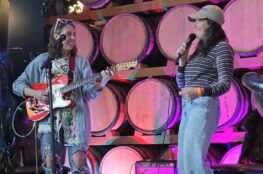
Folksy roots rock band Juniper Tar is taking it one step further. All they want from you is an e-mail address. That’s right, just sign up for the band’s e-mail list, and they’ll let you freely download their debut album, To The Trees, an impressive eight-song collection of jangly, well-played guitars and hauntingly melodic harmonies. I’ll take that deal any day.
Juniper Tar – “There was Blood” from Spencer Wells on Vimeo.
When it comes to local music, the best things in life really are free. Or whatever you want to pay for them.