
With Lake Michigan to the east and Horicon Marsh, the nation’s largest freshwater cattail marsh, to the west – and prairies, parks and woodlands in between – Milwaukee sees a lot of bird traffic during spring migration. Some stay for a day or three, others make this their final destination.
Still others are rare visitors: Last year, the first Southern Hemisphere-dwelling kelp gull was recorded in Milwaukee. Here are six special avian travelers you might be lucky enough to spot as migration ramps up.

Celebrate this year’s winners of the Betty Awards!
Scarlet Tanager
Piranga olivacea
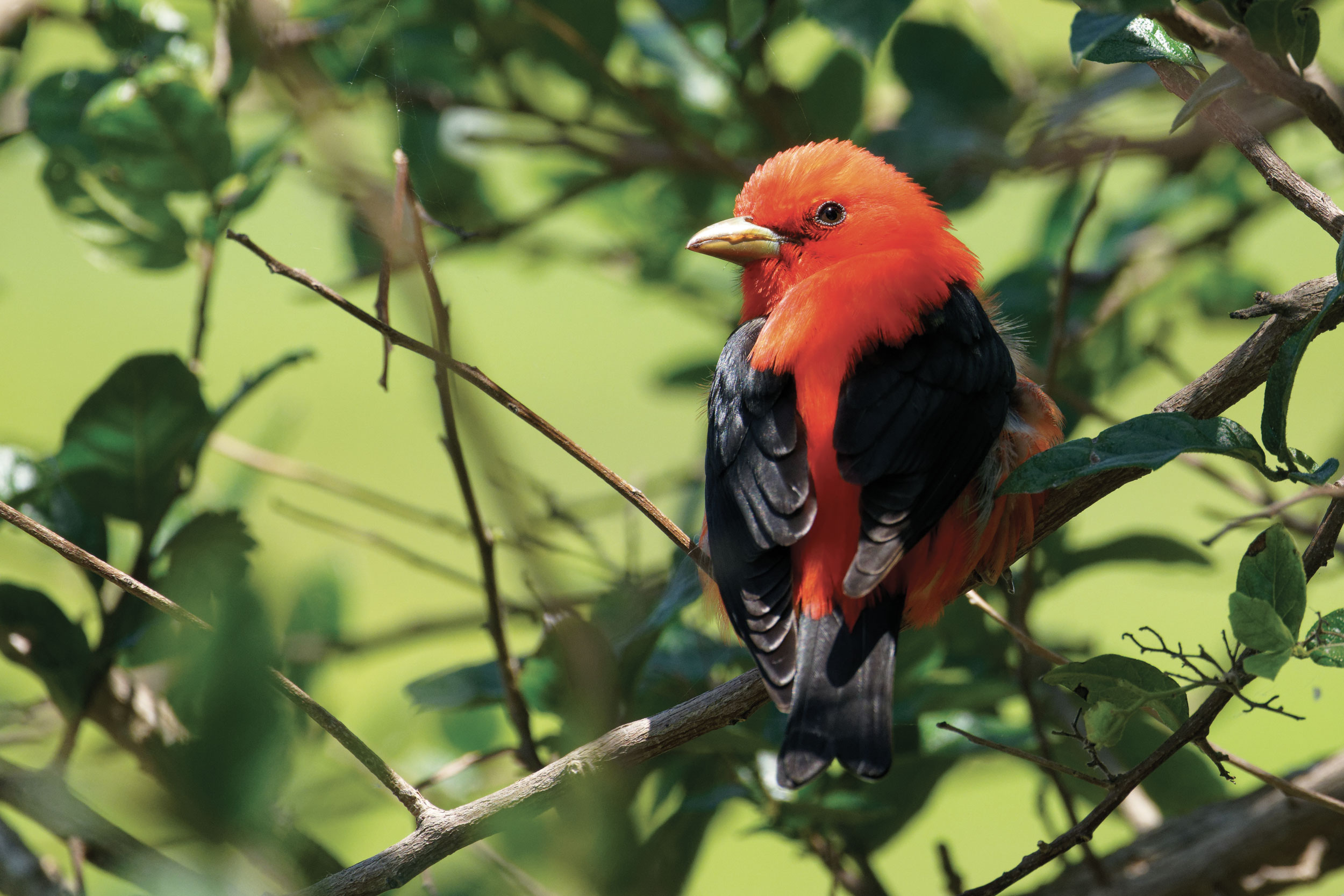
Smaller than a robin, males are brighter crimson than cardinals, with black wings and tail, while the females are olive-colored with yellowish undersides. Arriving after mid-May, they are a rare sight, often high in trees, sallying forth to snatch an insect off the wind and returning to their perch.
American Avocet
Recurvirostra americana
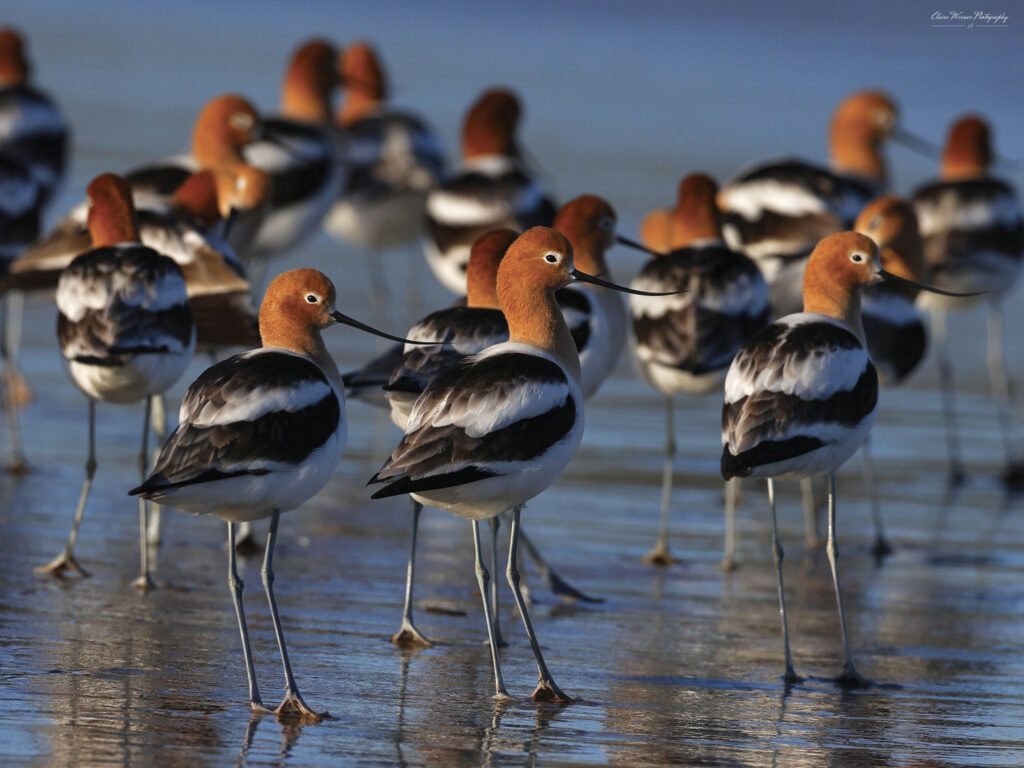
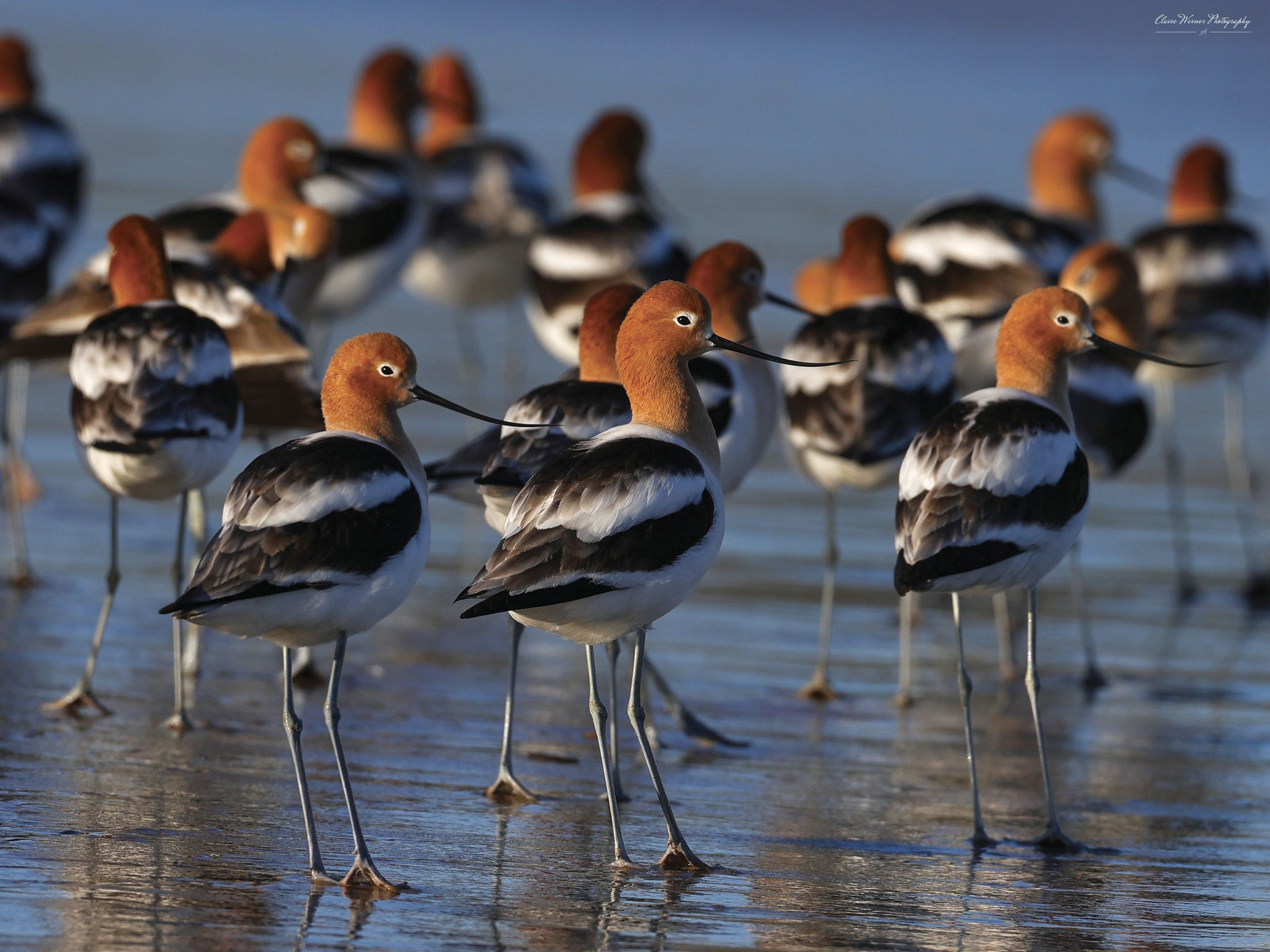
With long bluish legs, these crow-sized black-and-white shorebirds aren’t common in Wisconsin, but with luck you may find them at Milwaukee beaches beginning in late April. They swing their long, up-curved beaks in shallow water to feed, and cinnamon-colored heads are a sign that it’s breeding season.
Osprey
Pandion haliaetus
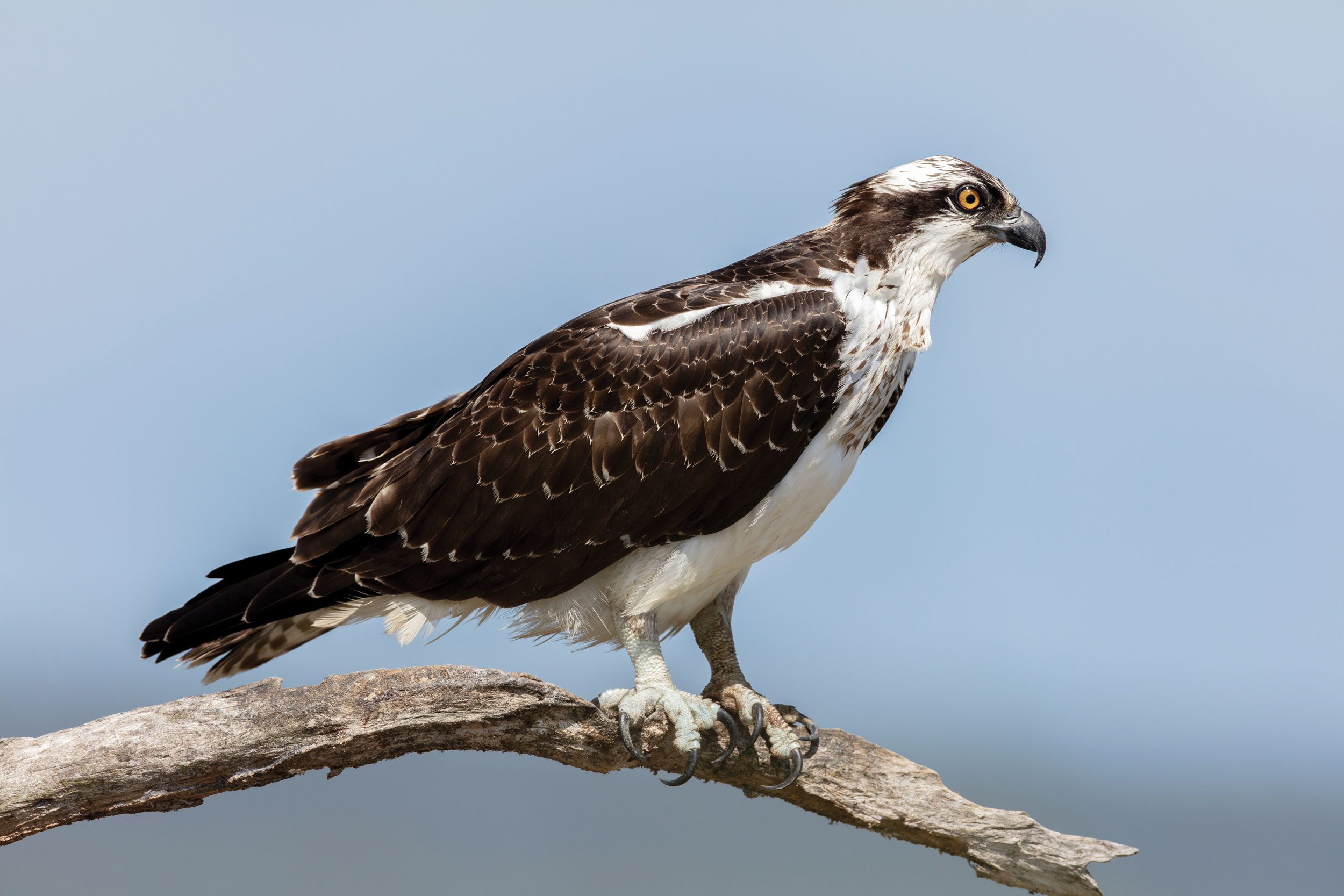
A white-bellied raptor with dark eye stripes, smaller than an eagle. They fish, so find them near water, with large, conspicuous nests atop poles and dead trees. They flex their wings at the “elbows” to stay in place patiently – like any good angler. Eagles bully them, swiping their catch mid-air.
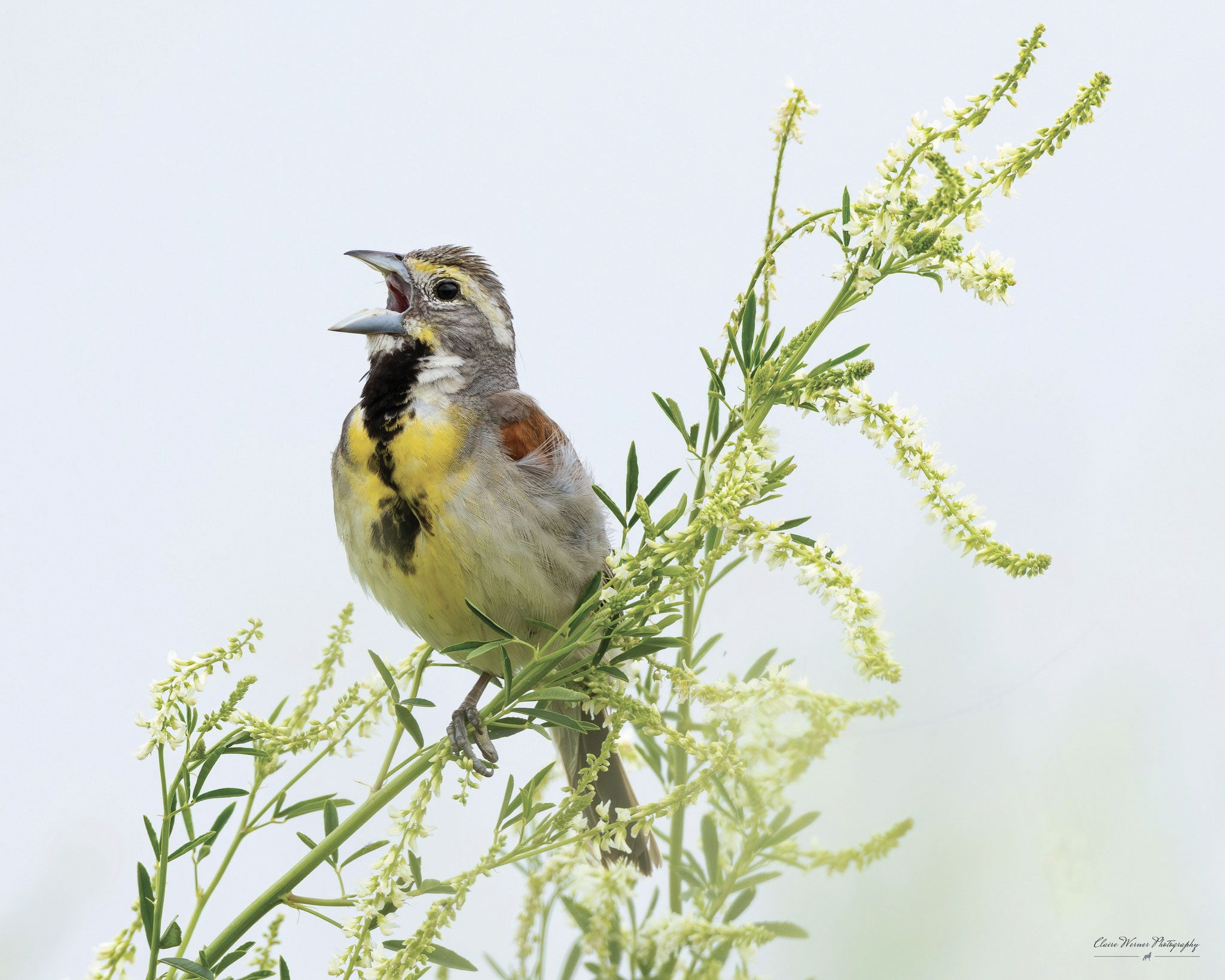
Dickcissel
Spiza americana
Find this songbird perched on posts or even grasping tall grass in fields. Males sport a black V under the neck, with chestnut shoulder patches and yellow highlights on cheek, breast and brow. A buzzing “dick-dick-see-see-see” call gave it its name.
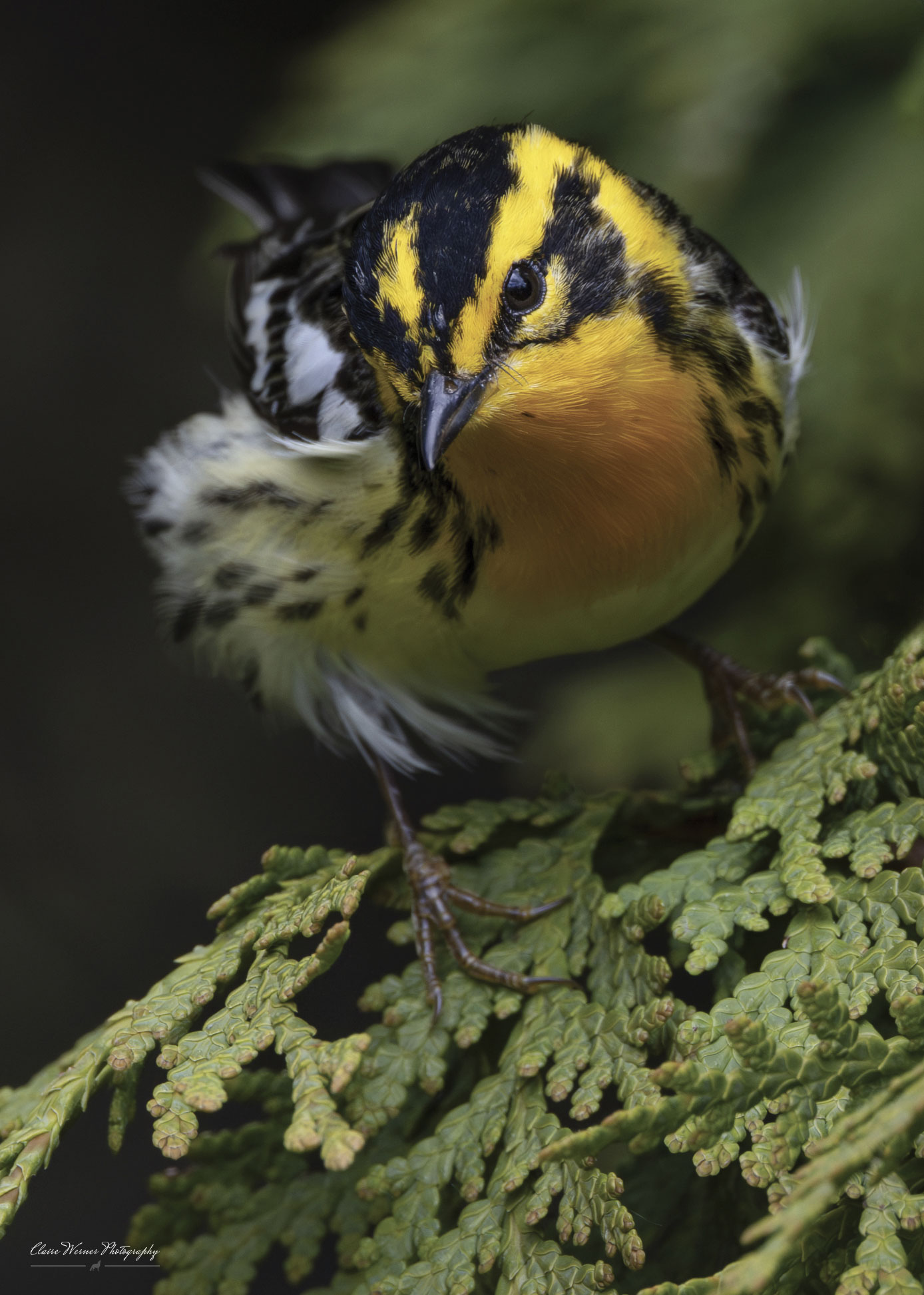
Blackburnian Warbler
Setophaga fusca
The male is the only North American warbler with an orange throat, while females and immatures are yellowish. It’s a tricky one to spot, often high in treetops. Bird baths, not seed feeders, may entice them down. The rapid-fire call is a difficult-to-hear high note ending with one even higher. This little fellow has flown all the way from South America.
Yellow-Headed Blackbird
Xanthocephalus xanthocephalus
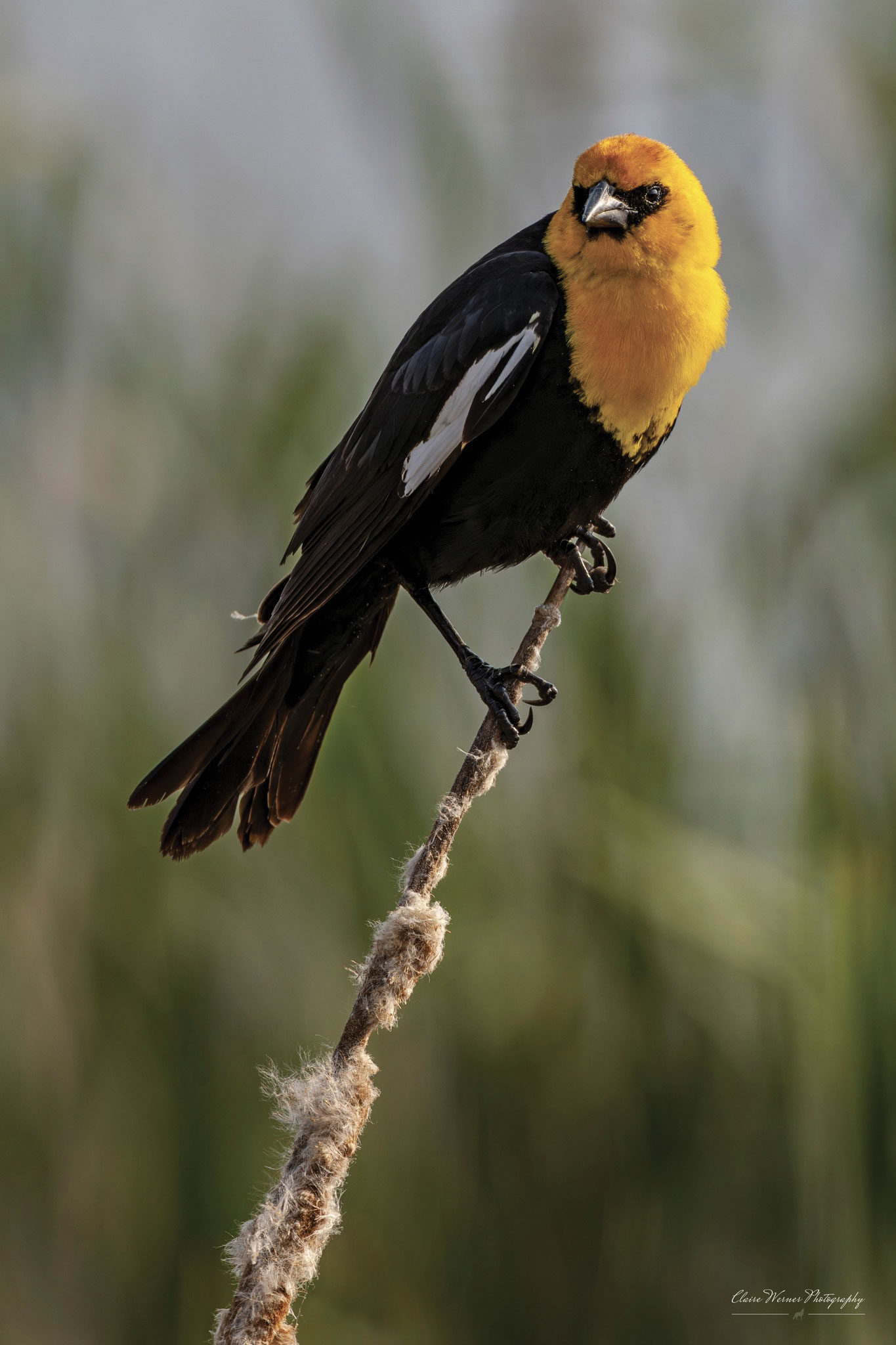
Can’t miss it: A medium-sized blackbird, the males sport a yellow hood and black eye-and-beak mask, while the females and immature birds are more brown with a duller yellow. White patches forward on mid-wing are best seen in flight. They nest in the cattails, especially around Horicon Marsh.