
Wisconsin looks the distinctive way it does because of ancient glaciers – and they left us some unique landforms. “The book of Ice Age glacial geology was written in no small part because of Wisconsin, and it’s a big reason why the Ice Age National Scenic Trail is entirely within our state,” says DNR parks and rec guru Drew Hanson. He and his colleagues offered some recommendations on our weirdest natural wonders.
READ MORE FROM OUR “WEIRD WISCONSIN” FEATURE HERE.

If someone has inspired you through their service, leadership or dedication, the Unity Awards are your opportunity to recognize them!
The Dalles’ Potholes
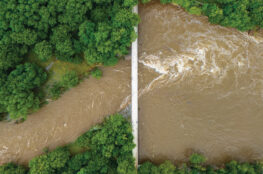
Atop the glacially carved cliffs (“Dalles”) of the St. Croix River are several holes as many as a few feet wide and 12 feet deep. They were drilled by swirling waters of the river, which was once much larger when the meltwater of Glacial Lake Duluth burst through the area. They’re found along the short but spectacular Pothole Trail inside Interstate Park.
Devil’s Lake
DNR Superintendent Jim Carter describes this lake, the center of Wisconsin’s busiest state park and surrounded by quartzite bluffs rising 500 feet above in three directions, as “scenic beauty unmatched in the Midwest.”
Sandstone Arch
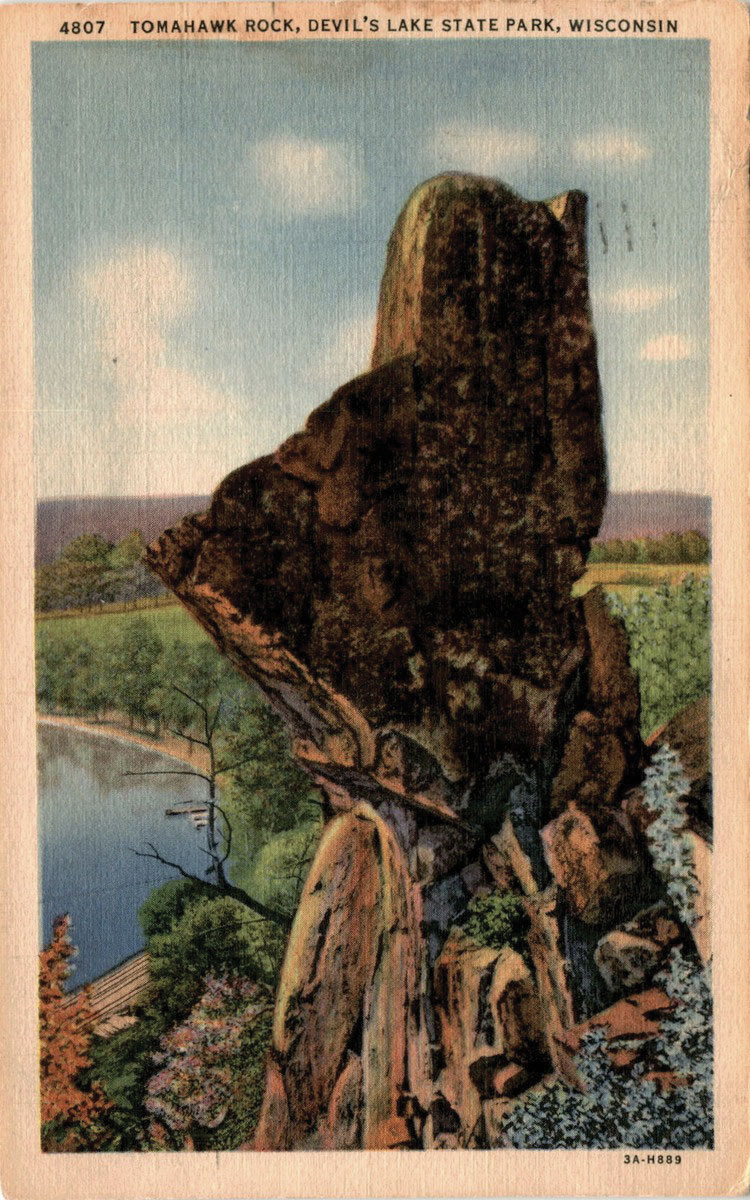
The namesake feature of Natural Bridge State Park, not far from Devil’s Lake, is a sandstone arch 25 feet high and 35 feet wide, formed by natural weathering. It’s in one of the oldest documented sites of human occupation in the Midwest, dating back 8,000-10,000 years BCE.
Rib Mountain
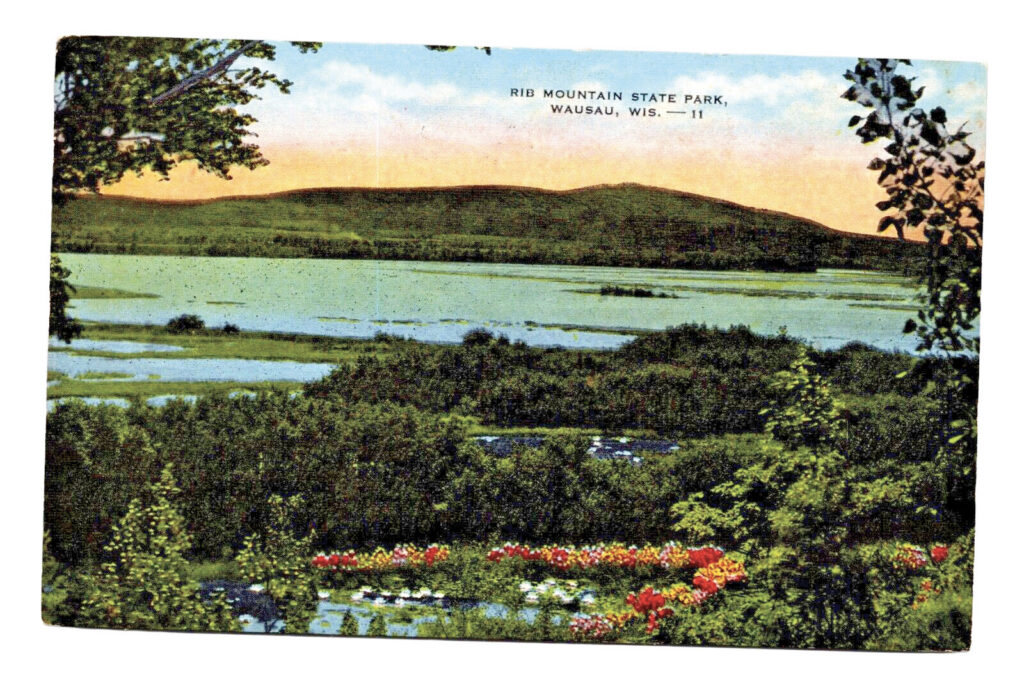
Estimated at 1.7 billion years old, Rib Mountain is a 4-mile-long hill – geo-logically speaking, a quartzite monadnock – that peaks at 670 feet high. While not quite the tallest point, Rib Mountain has the largest vertical drop of any geological feature in the state. Rib Mountain State Park also offers a spread of large quartzite boulders that make for a unique hike, as well as a 60-foot observation tower and seasonal skiing and snowboarding at Granite Peak Ski Area.